
Potsdamer Platz
Overview
Potsdamer Platz, a vibrant square located in the heart of Berlin, Germany, is more than just a meeting point; it is a symbol of the city’s resilience and transformation. Once a bustling hub before World War II, this architectural ensemble has undergone significant changes, evolving from a desolate area into a thriving urban space that attracts locals and tourists alike. With its mix of modern architecture and remnants of history, Potsdamer Platz serves as a testament to Berlin’s dynamic cultural landscape.
Strategically positioned within Bezirk Mitte, Potsdamer Platz is easily accessible, providing a convenient starting point for exploring Berlin’s rich heritage. The square’s importance extends beyond its physical space; it represents the city’s journey through division and reunification, embodying the spirit of renewal that characterizes Berlin today. Visitors can expect a lively atmosphere, filled with shops, restaurants, and cultural venues, making it a key destination for anyone looking to immerse themselves in the city’s vibrant life.
History and Significance
Potsdamer Platz’s history reflects the broader narrative of Berlin itself. Originally established in the early 19th century, the square quickly became a central hub for transportation and commerce, featuring the first traffic light in Europe. However, the devastation of World War II left it largely in ruins. For decades, Potsdamer Platz lay abandoned, marked by the division of East and West Berlin during the Cold War, which rendered it a no-man’s land.
The fall of the Berlin Wall in 1989 heralded a new era for Potsdamer Platz. The subsequent reunification of Germany sparked a renaissance for the square, prompting ambitious redevelopment projects. The transformation culminated in the late 1990s with the construction of iconic buildings designed by renowned architects, including Renzo Piano and Richard Rogers. Today, Potsdamer Platz stands as a symbol of Berlin’s rebirth, showcasing a blend of modernity and historical significance.
This architectural ensemble not only serves as a commercial and entertainment center but also as a cultural landmark, hosting various events and festivals throughout the year. The square’s evolution reflects Berlin’s resilience, making it a significant site for understanding the city’s complex history.
Architecture and Features
Potsdamer Platz is an architectural marvel that features a striking contrast between the modern skyline and the historical remnants of the past. The square is bordered by an impressive array of buildings, each contributing to its unique character. Among them, the Sony Center stands out with its futuristic design, characterized by a large glass roof supported by steel poles, creating a central plaza that serves as a year-round gathering space.
Another notable feature is the strikingly modern Beisheim Center, which houses offices and residential spaces, demonstrating the blend of functionality and aesthetic appeal. The surrounding area is filled with shops, restaurants, and entertainment venues, making it a bustling hub of activity.
In addition to its contemporary architecture, Potsdamer Platz is also home to historical elements, such as remnants of the old square that have been thoughtfully integrated into the new design. Visitors can find traces of the past, including the preserved sections of the Berlin Wall, offering a poignant reminder of the city’s divided history.
The dynamic nature of Potsdamer Platz is reflected not only in its architecture but also in its public spaces, which often host art installations, performances, and cultural events. This synergy of old and new creates an engaging atmosphere that invites exploration and connection.
Visiting Information
Potsdamer Platz is accessible through various modes of transport, including public transit options such as the U-Bahn (subway) and S-Bahn (commuter train), which connect to several lines servicing the area. Visitors can easily reach the square from many parts of Berlin, making it a convenient stop on any itinerary. Given its urban location, expect a lively atmosphere filled with both locals and tourists.
While exploring, visitors can anticipate a range of activities and attractions. The square is surrounded by shops, cafes, and restaurants, offering ample opportunities to relax and enjoy the vibrant ambiance. The time needed for a visit can vary; however, dedicating a couple of hours would allow for a leisurely stroll and the chance to soak in the sights and sounds.
For a truly enjoyable experience, consider visiting during the late afternoon or early evening when the square is particularly lively, and many of the surrounding venues come to life. Visitors should check the official website for current information regarding hours and any special events that might be taking place during their visit.
Nearby Attractions
Potsdamer Platz is well-placed within the heart of Berlin, providing easy access to several nearby attractions that enrich the experience of any visitor:
Brandenburg Gate: A short walk away, this iconic symbol of Berlin and Germany stands proudly as a monument to peace and unity.
The Berlin Wall Memorial: Located nearby, this site offers a poignant look at the city’s divided past, featuring preserved sections of the wall and informative exhibits.
Tiergarten: A vast urban park just a stone’s throw from Potsdamer Platz, perfect for a leisurely stroll or a picnic amidst nature.
The Reichstag Building: An architectural marvel housing the German Parliament, the Reichstag is notable for its glass dome and offers panoramic views of the city.
The Berlin Philharmonic: Renowned for its exceptional acoustics and innovative design, this concert hall is a must-visit for music lovers.
Insider Tips
For those looking to capture the essence of Potsdamer Platz through photography, early mornings or late afternoons provide the best lighting conditions, offering a softer glow that enhances the architectural features. Given the square’s popularity, visiting during off-peak hours can help avoid large crowds, allowing for a more intimate experience.
Additionally, consider exploring the area beyond the main square, as nearby streets often feature less-frequented shops and cafes that provide a local flavor. Engaging with these smaller venues can offer a more authentic taste of Berlin life.
Practical Information
When visiting Potsdamer Platz, comfortable walking shoes are recommended, as the area is best explored on foot. Depending on the season, consider bringing layers, as Berlin’s weather can be unpredictable.
Be mindful of potential seasonal events or festivals that may enhance your visit. Checking the official website for any planned activities can help you make the most of your time at the square.
Frequently Asked Questions
How long should I spend visiting?
A couple of hours is ideal for exploring Potsdamer Platz, allowing time for shopping, dining, and taking in the architecture.
Is photography allowed?
Yes, photography is generally allowed in Potsdamer Platz, but be mindful of any specific restrictions in certain venues.
Are there guided tours?
While there may not be specific guided tours of the square itself, numerous walking tours in the surrounding area can provide more context about its history and significance.
What’s the best time to visit?
Late afternoon or early evening is ideal for experiencing the vibrant atmosphere, especially when nearby venues are lively.
Is it wheelchair accessible?
Yes, Potsdamer Platz is designed to be accessible for all visitors, with ramps and paved pathways facilitating movement.
Can I buy tickets online?
For any specific events or exhibitions in the area, it’s advisable to check the official website for online ticket purchasing options.
Are there restrooms and cafes?
Yes, there are public restrooms available, along with a variety of cafes and restaurants to choose from.
What should I wear?
Dress comfortably, considering the season and planned activities. Layers are recommended, especially in cooler months.
Location
More in Berlin

144., 176. und 184. Gemeindeschule
📍 Berlin, Germany
The 144., 176. und 184. Gemeindeschule, an architectural ensemble located in the vibrant city of Berlin, stands as a noteworthy example of educational …

Academy of Arts (Hanseatenweg)
📍 Berlin, Germany
The Academy of Arts (Hanseatenweg) stands as an emblem of Berlin’s vibrant cultural landscape, located in the historic Hansaviertel district. Renowned …

Academy of Arts, Berlin
📍 Berlin, Germany
The Academy of Arts in Berlin is not just a museum; it is a prominent national institution dedicated to the advancement of the arts in Germany. …

Academy of the Konrad-Adenauer-Stiftung
📍 Berlin, Germany
The Academy of the Konrad-Adenauer-Stiftung, located in the heart of Berlin, is not just a foundation but a hub of intellectual discourse and …

ACUD
📍 Berlin, Germany
Located in the heart of Berlin’s Bezirk Mitte, ACUD serves as a vibrant cultural center and cinema, showcasing an array of films and events that …

Admiralspalast
📍 Berlin, Germany
Admiralspalast is a prominent theatre and event venue located in the heart of Berlin, Germany. This architectural gem serves as a cultural hub, …
More Architectural Ensembles
144., 176. und 184. Gemeindeschule
📍 Berlin, Germany
The 144., 176. und 184. Gemeindeschule, an architectural ensemble located in the vibrant city of Berlin, stands as a noteworthy example of educational …

Adelheidstraße 3–7, 9–12, 12a, 14, 15, 22–31, Amelungstraße 1, Friedrich-Ebert-Platz
📍 Lower Saxony, Germany
In the heart of Quedlinburg, Germany, lies a captivating architectural ensemble that reflects the town’s historical significance and cultural …

Aegidiimarkt
📍 Lower Saxony, Germany
Aegidiimarkt is a captivating architectural ensemble located in the heart of Münster, Germany. This vibrant square not only serves as a hub for local …
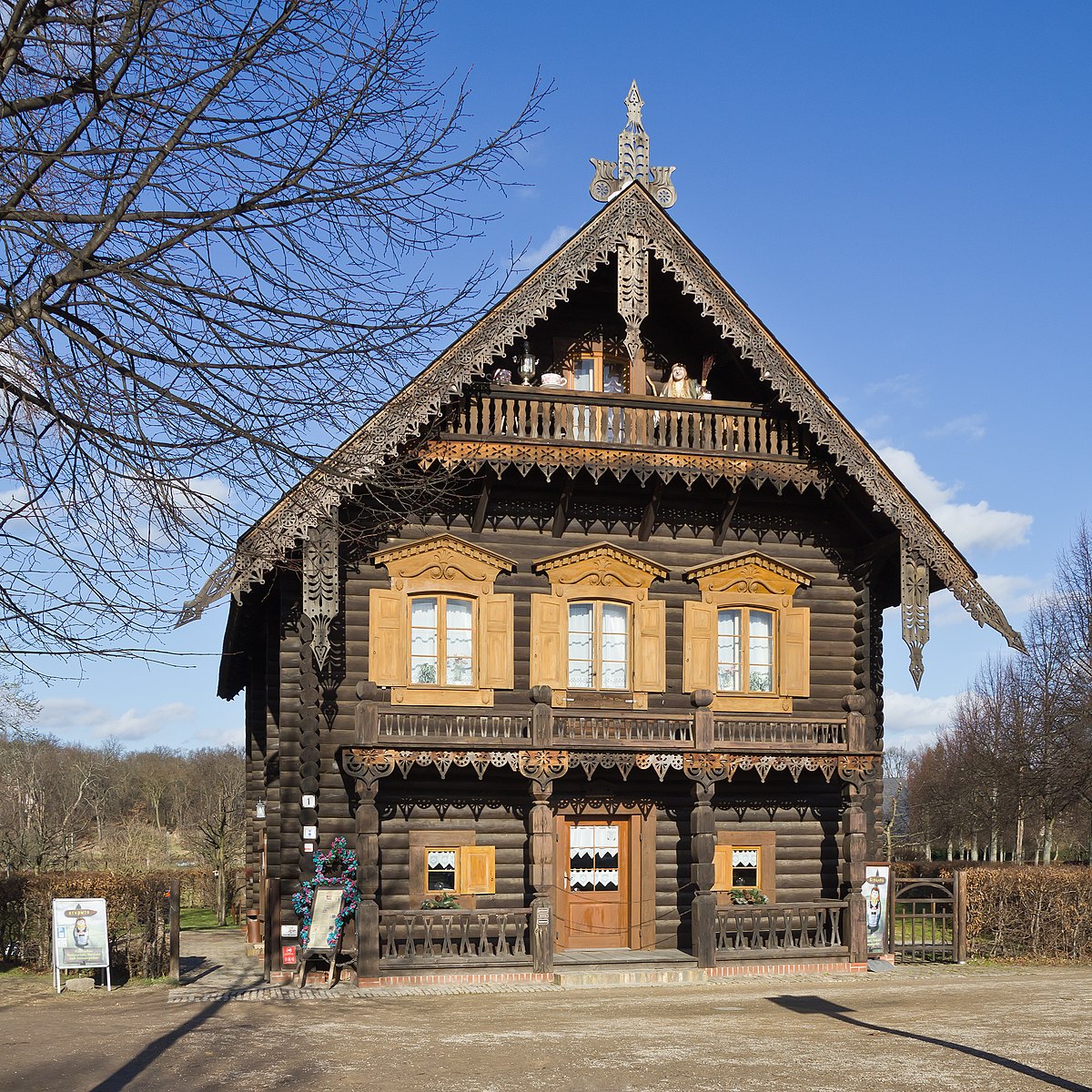
Alexandrowka
📍 Brandenburg, Germany
Located in the picturesque city of Potsdam, Germany, Alexandrowka is an intriguing architectural ensemble that reflects a unique blend of Russian and …

Alhauser Hammer
📍 North Rhine-Westphalia, Germany
Alhauser Hammer is a remarkable architectural ensemble located in Ennepetal, Germany, known for its historical significance as a water-driven hammer …

Alsdorfer Ölmühle
📍 North Rhine-Westphalia, Germany
The Alsdorfer Ölmühle, an architectural ensemble located in the heart of Alsdorf, Germany, is a remarkable example of a traditional watermill that …