
Potsdam University Library
Overview
The Potsdam University Library is more than just a repository of books; it is an intellectual hub located in the historic city of Potsdam, Germany. Established to support the academic pursuits of students and faculty, this library is an integral part of the university’s mission to foster learning and research. Situated in the vibrant cultural landscape of Potsdam, the library serves as a vital resource for scholars and the community alike, making it a significant contributor to the region’s educational infrastructure. Visitors to the library will find a serene environment conducive to study and reflection, as well as a collection that spans a wide range of academic disciplines.
With its strategic location, the library not only serves the needs of the university but also connects to the rich cultural heritage of Potsdam, a city known for its stunning palaces and gardens. For those seeking to immerse themselves in a scholarly atmosphere while enjoying the historical charm of the city, the Potsdam University Library is a must-visit destination. Here, the pursuit of knowledge is intertwined with a sense of place, making it a noteworthy stop on any academic or cultural itinerary.
History and Significance
The Potsdam University Library has a significant role in the educational landscape of Germany. It is closely tied to the history of the university itself, which has been a center of higher education in the region for many years. The library’s establishment reflects the growing demand for academic resources as the university expanded its programs and student body.
Culturally, the library serves as a historical repository, safeguarding numerous texts and documents that contribute to the understanding of various fields of study. Its collections are designed to support the diverse academic programs offered by the university, ranging from humanities to sciences. This commitment to providing essential resources underscores the library’s importance in fostering research and scholarship.
In addition to its academic purpose, the library also plays a role in the broader cultural context of Potsdam. The city is recognized for its historical significance, including its UNESCO World Heritage sites. The library’s existence enhances the cultural fabric of the area, serving as a meeting point for students, researchers, and community members who share a passion for learning.
Over the years, the library has adapted to meet the changing needs of its users, incorporating modern technologies while maintaining its commitment to traditional scholarship. This blend of old and new is emblematic of Potsdam’s broader cultural and historical narrative, making the library a significant landmark in the city’s educational landscape.
Architecture and Features
The architectural design of the Potsdam University Library reflects a blend of functionality and aesthetic appeal. While specific details about the style and design elements are not provided, visitors can expect an environment that is both inviting and conducive to study. The library is designed to facilitate access to its vast resources, with spaces allocated for individual study, group work, and quiet reflection.
Inside, the library is likely to feature a range of modern amenities that enhance the user experience. This may include comfortable seating areas, study rooms, and technology-equipped spaces that support collaborative work. The layout is thoughtfully arranged to ensure that users can navigate the library efficiently, making it easy to locate materials and find a suitable spot to work.
Natural light is often a key aspect of library design, and the Potsdam University Library may incorporate large windows or open spaces that allow for a bright and airy atmosphere. This thoughtful architecture not only contributes to the comfort of those who use the space but also aligns with the library’s mission to promote learning and scholarship.
The library’s collection is a central feature, encompassing a wide array of academic texts, periodicals, and digital resources. While the specifics of the collection are not detailed, it is tailored to support the university’s diverse academic programs, ensuring that students and researchers have access to the materials they need.
Visiting Information
When planning a visit to the Potsdam University Library, it is essential to consider transportation options. The library is located in the heart of Potsdam, making it accessible via public transport. Visitors can reach the library by using local buses or trams, which connect various parts of the city. For those who prefer to drive, parking availability may vary, so it is advisable to check for options in advance.
For the most accurate information regarding opening hours and any potential admission fees, it is recommended to check the official website prior to your visit. This will provide the latest updates on hours of operation and any special events or closures.
A typical visit to the library can last anywhere from a few hours to an entire day, depending on one’s research needs or study goals. It is advisable to allocate sufficient time to explore the collections and take advantage of the quiet study areas.
The best times to visit often coincide with weekdays, as weekends may see higher foot traffic from students and community members. Early mornings or late afternoons can also provide a quieter atmosphere for those seeking solitude.
Nearby Attractions
After visiting the Potsdam University Library, consider exploring some of the nearby attractions that enhance the cultural experience of your visit:
Sanssouci Palace: Located just a short distance from the library, Sanssouci Palace is one of Germany’s most famous palaces and a UNESCO World Heritage site. Its gardens and elaborate architecture are a testament to the grandeur of the Prussian kings.
New Palace: This impressive building is another architectural marvel in Potsdam, featuring stunning Baroque design and rich historical significance. It is located within the Sanssouci Park and offers insight into the royal history of the region.
Potsdam’s Dutch Quarter: A unique area characterized by its distinctive Dutch-style architecture, this quarter is perfect for a leisurely stroll. It features quaint shops, cafes, and galleries, providing a charming contrast to the academic atmosphere of the library.
Filmpark Babelsberg: For those interested in the film industry, this theme park offers a glimpse into the world of cinema. Visitors can enjoy live shows, guided tours, and exhibitions related to film production.
Potsdam Museum: This museum showcases the history and culture of Potsdam, featuring exhibitions that cover various aspects of the city’s past. It is a great way to deepen your understanding of the area after your library visit.
Insider Tips
To make the most of your visit to the Potsdam University Library, consider these insider tips:
Photography: While photography may be allowed in certain areas of the library, it is advisable to check the specific rules upon arrival. Respecting the study environment of others is crucial, so be mindful of when and where you take photos.
Crowd Avoidance: To enjoy a quieter experience, aim to visit during weekdays, particularly in the early morning or late afternoon when foot traffic tends to be lower. Avoiding weekends and university holidays can also help you steer clear of larger crowds.
Practical Information
When preparing for your visit to the Potsdam University Library, consider bringing the following items:
Laptop or Notebook: For those planning to study or conduct research, having your laptop or a notebook can be beneficial. The library is likely equipped with Wi-Fi, allowing for easy access to online resources.
Library Card: If you are a student or faculty member at the university, bringing your library card will facilitate access to certain resources.
Comfortable Clothing: As you may spend several hours in the library, wearing comfortable clothing will help enhance your experience. Layering is advisable, as temperature control can vary within the library.
Seasonal considerations are also important. If visiting during the colder months, ensure you are dressed warmly for your journey, as Potsdam can experience chilly weather. Conversely, during the warmer months, light clothing will keep you comfortable as you explore the city.
Frequently Asked Questions
How long should I spend visiting?
A visit can range from a few hours to an entire day, depending on your research needs.
Is photography allowed?
Photography policies may vary, so it is best to check the rules upon arrival.
Are there guided tours?
Information about guided tours may be available on the official website, so check there for details.
What’s the best time to visit?
Weekdays, especially in the early morning or late afternoon, tend to be quieter.
Is it wheelchair accessible?
For accessibility information, please check the official website for the latest updates.
Can I buy tickets online?
Check the official website for information regarding any potential admission fees and purchasing options.
Are there restrooms and cafes?
Facilities such as restrooms and nearby cafes may be available, but it’s advisable to confirm details before your visit.
What should I wear?
Comfortable clothing is recommended, especially if you plan to spend several hours studying.
More in Brandenburg
Agnetenkloster
📍 Brandenburg, Germany
Agnetenkloster, a former monastery located in the heart of Magdeburg, Germany, invites visitors to explore its serene ambiance and historical …

Agroneum
📍 Brandenburg, Germany
Agroneum is a museum located in the serene landscape of Alt Schwerin, Germany. This establishment serves as a vibrant hub for those interested in the …

Alexander Nevsky Memorial Church
📍 Brandenburg, Germany
The Alexander Nevsky Memorial Church in Potsdam, Germany, offers visitors a unique glimpse into the city’s cultural and religious heritage. This …
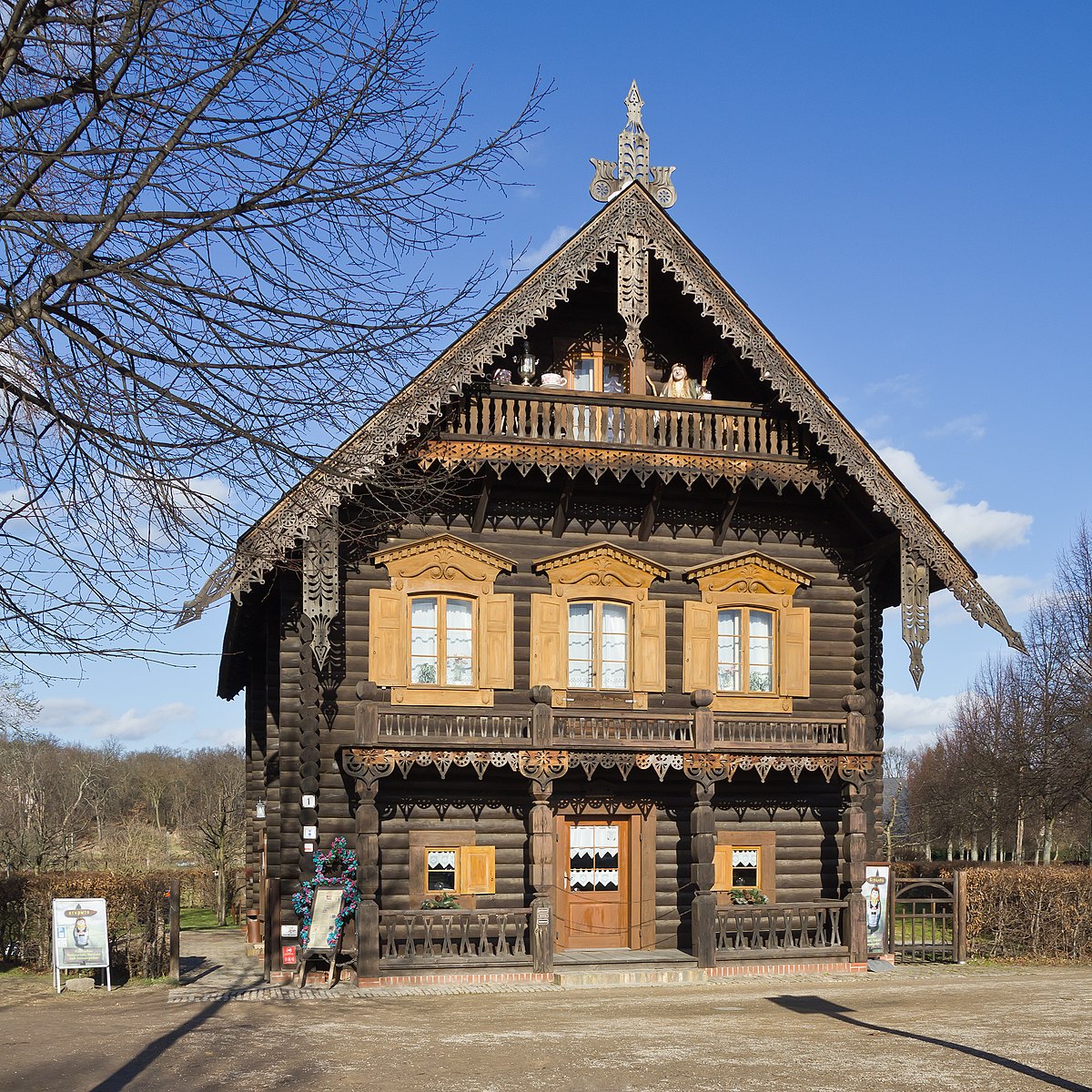
Alexandrowka
📍 Brandenburg, Germany
Located in the picturesque city of Potsdam, Germany, Alexandrowka is an intriguing architectural ensemble that reflects a unique blend of Russian and …

Alte Burg Penzlin
📍 Brandenburg, Germany
Alte Burg Penzlin, a captivating castle located in the quaint town of Penzlin, Germany, serves as a remarkable example of medieval architecture and …

Alte Dorfkirche Röxe
📍 Brandenburg, Germany
The Alte Dorfkirche Röxe stands as a poignant symbol of architectural and cultural history in the Stendal region of Germany. This church building, …
More Libraries
Agfa Foto-Historama
📍 North Rhine-Westphalia, Germany
Agfa Foto-Historama, a unique library located in Germany, serves as a significant repository of photographic history. Housed within the Museum Ludwig …

Alte Bibliothek
📍 Berlin, Germany
The Alte Bibliothek, or Old Library, is a significant cultural landmark located in the heart of Berlin, Germany. This library stands not only as a …

Amerika-Gedenkbibliothek
📍 Berlin, Germany
The Amerika-Gedenkbibliothek, a significant public library located in Berlin’s Friedrichshain-Kreuzberg district, serves as a vital cultural and …

Archiv Grünes Gedächtnis
📍 Berlin, Germany
Archiv Grünes Gedächtnis is not just a library; it is a significant archival institution located in the vibrant district of Friedrichshain-Kreuzberg …
Archive of the Academy of Arts
📍 Berlin, Germany
The Archive of the Academy of Arts, located in the Bezirk Mitte district of Berlin, serves as a pivotal repository of knowledge and cultural heritage. …

Art and Museum Library of the City of Cologne
📍 North Rhine-Westphalia, Germany
The Art and Museum Library of the City of Cologne is a significant cultural institution located in the heart of Germany’s vibrant city, Cologne. …