
Potsdam Museum
Overview
The Potsdam Museum, established in 1909, serves as a vibrant window into the history and culture of Potsdam, Germany. This city museum captures the essence of a place that has shaped significant historical events and cultural movements. Located in the heart of Potsdam, the museum plays a crucial role in preserving and showcasing the rich heritage of this vibrant city, which is known for its stunning palaces, gardens, and the proximity to Berlin.
As visitors explore the museum, they can expect to engage with a diverse array of exhibitions that not only chronicle the city’s past but also celebrate its contemporary cultural scene. The museum’s collections, which span various themes and eras, invite guests to connect with the narratives that have defined Potsdam throughout the years. The experience promises to be both informative and inspiring, drawing connections between the city’s storied past and its present-day vibrancy.
History and Significance
The Potsdam Museum has its origins in the early 20th century, a period marked by an increasing awareness of the need to document and preserve local history and culture. The establishment of this museum was a response to the growing interest in the historical and artistic heritage of the region, reflecting a broader trend in Europe during the era.
Over the years, the museum has evolved, adapting its exhibitions and collections to represent the changing dynamics of Potsdam. The city itself has been a significant site throughout various historical events, including the Prussian era, the impact of World War II, and the post-war reconstruction. As a cultural hub, Potsdam has attracted artists, intellectuals, and political figures, all of whom have contributed to its historical narrative.
The museum’s collections encompass a broad range of artifacts, including paintings, photographs, and everyday objects that illustrate the life and culture of Potsdam’s residents through different periods. These items serve not only as historical records but also as a means of understanding the social and cultural fabric that has shaped the city. The museum emphasizes its role as a guardian of local heritage, ensuring that the stories of Potsdam’s diverse communities are preserved for future generations.
In addition to its permanent collections, the museum often hosts temporary exhibitions, workshops, and educational programs that further engage the public and highlight the relevance of history in contemporary society. Through these initiatives, the Potsdam Museum fosters a sense of community and encourages dialogue about the past and its implications for the future.
Architecture and Features
The Potsdam Museum is situated in a building that reflects the architectural styles prevalent in the region. Though specific architectural details are not provided, the overall design typically aligns with the historical aesthetics of Potsdam, characterized by elegance and a sense of place. Visitors will appreciate the museum’s thoughtfully curated spaces that allow for both intimate viewing and larger exhibitions.
The interior of the museum is organized to facilitate an engaging visitor experience, with well-defined pathways that guide guests through the various exhibits. Each gallery is designed to showcase the collections effectively, often integrating multimedia elements to enhance understanding and appreciation of the displays. The layout encourages exploration, ensuring that visitors can move seamlessly from one section to another while absorbing the rich narratives on offer.
Noteworthy features of the museum include its commitment to accessibility and visitor comfort, allowing a wide audience to enjoy the educational offerings. The museum is designed to be a welcoming environment where individuals can immerse themselves in the history and culture of Potsdam.
Visiting Information
Reaching the Potsdam Museum is convenient, with various transport options available. Visitors can utilize local public transportation, including buses and trains, which provide easy access to the museum from different parts of the city. For those arriving by car, parking facilities may be available nearby, but it is advisable to check the official website for the most current parking information.
When planning your visit, be sure to check the official website for current information on hours of operation and ticket prices. The museum offers a range of exhibitions that can take varying amounts of time to explore fully, so it is recommended to allocate approximately 1.5 to 2 hours for a fulfilling experience.
The best times to visit the Potsdam Museum are typically during weekdays when crowds are smaller, allowing for a more personal and immersive experience. However, weekends can also provide a lively atmosphere with special events and programming that may be of interest.
Nearby Attractions
While visiting the Potsdam Museum, consider exploring these nearby attractions to enrich your experience:
Sanssouci Palace: Just a short distance away, this UNESCO World Heritage site is renowned for its stunning gardens and exquisite architecture, reflecting the grandeur of the Prussian royal era.
New Palace (Neues Palais): Another remarkable structure located within the Sanssouci Park, this palace showcases opulent baroque architecture and houses impressive art collections.
Cecilienhof Palace: Known for hosting the Potsdam Conference in 1945, this palace offers insights into post-war history and has beautiful gardens worth exploring.
Orangerie Palace: This palace features a stunning mix of Renaissance and baroque styles and is surrounded by exquisite gardens that highlight the area’s natural beauty.
Park Babelsberg: A picturesque park that provides scenic walking paths along the banks of the Havel River, perfect for a leisurely stroll after visiting the museum.
Insider Tips
For photography enthusiasts, the Potsdam Museum presents various opportunities to capture unique moments. However, it is essential to be mindful of any restrictions regarding photography within specific exhibition areas. It is advisable to check for signage or inquire at the entrance regarding the museum’s policy.
To avoid crowds, consider visiting during weekday mornings, as these times generally see fewer visitors. This timing allows for a more serene experience, making it easier to absorb the exhibits and engage with the historical narratives presented.
Practical Information
When visiting the Potsdam Museum, it is recommended to bring a few essentials to enhance your experience. Comfortable walking shoes are advisable, as you may spend considerable time exploring the museum and its exhibits. Additionally, a water bottle can be handy, especially if you plan to spend an extended period on-site.
Seasonal considerations are important as well. Depending on the time of year, the weather may influence your visit. Check the official website for any seasonal events or special exhibitions that may be occurring during your planned visit.
Frequently Asked Questions
How long should I spend visiting?
It is suggested to allocate approximately 1.5 to 2 hours for a thorough visit to the Potsdam Museum, allowing time to engage with the exhibits.
Is photography allowed?
Photography policies may vary within the museum. It is recommended to check for signage or ask at the entrance for specific guidelines regarding photography.
Are there guided tours?
The museum may offer guided tours or educational programs. It is advisable to check the official website for current availability and details.
What’s the best time to visit?
Weekday mornings are typically less crowded, making them an ideal time for a more personal experience at the museum.
Is it wheelchair accessible?
The Potsdam Museum strives to be accessible to all visitors. For specific accessibility features, it is best to check the official website or contact the museum directly.
Can I buy tickets online?
Ticket purchasing options may vary, so it is recommended to check the official website for information on online ticket sales and any potential discounts.
Are there restrooms and cafes?
Facilities such as restrooms and cafes may be available on-site. For the most accurate information, refer to the official website.
What should I wear?
Dress comfortably, keeping in mind the seasonal weather and the potential for extended walking during your visit.
More in Brandenburg
Agnetenkloster
📍 Brandenburg, Germany
Agnetenkloster, a former monastery located in the heart of Magdeburg, Germany, invites visitors to explore its serene ambiance and historical …

Agroneum
📍 Brandenburg, Germany
Agroneum is a museum located in the serene landscape of Alt Schwerin, Germany. This establishment serves as a vibrant hub for those interested in the …

Alexander Nevsky Memorial Church
📍 Brandenburg, Germany
The Alexander Nevsky Memorial Church in Potsdam, Germany, offers visitors a unique glimpse into the city’s cultural and religious heritage. This …
Alexandrowka
📍 Brandenburg, Germany
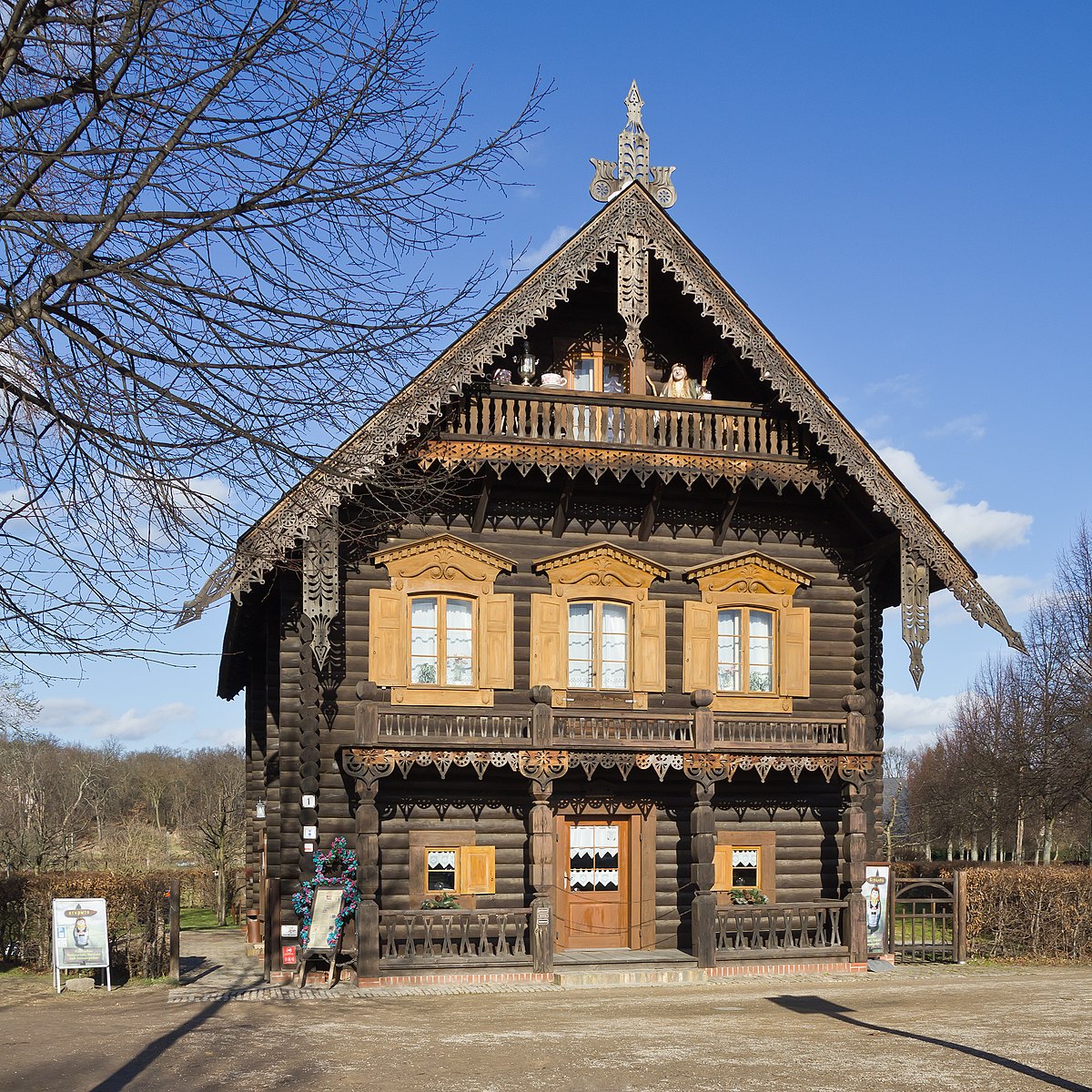
Located in the picturesque city of Potsdam, Germany, Alexandrowka is an intriguing architectural ensemble that reflects a unique blend of Russian and …

Alte Burg Penzlin
📍 Brandenburg, Germany
Alte Burg Penzlin, a captivating castle located in the quaint town of Penzlin, Germany, serves as a remarkable example of medieval architecture and …

Alte Dorfkirche Röxe
📍 Brandenburg, Germany
The Alte Dorfkirche Röxe stands as a poignant symbol of architectural and cultural history in the Stendal region of Germany. This church building, …
More Museums

Abbey and Altenmünster of Lorsch
📍 Baden-Württemberg, Germany
The Abbey and Altenmünster of Lorsch is a UNESCO World Heritage site located in the charming town of Lorsch, Germany. This significant cultural …
Abenteuermuseum
📍 Rhineland-Palatinate, Germany
The Abenteuermuseum, located in Germany, invites visitors to explore the wonders of adventure through its unique exhibits and engaging experiences. …

Abwasser- und Sielmuseum
📍 Hamburg, Germany
The Abwasser- und Sielmuseum, located in the heart of Hamburg-Mitte, offers a unique glimpse into the city’s historical infrastructure concerning …

Academy of Arts, Berlin
📍 Berlin, Germany
The Academy of Arts in Berlin is not just a museum; it is a prominent national institution dedicated to the advancement of the arts in Germany. …

Ackerbürgermuseum Haus Leck
📍 Hesse, Germany
Ackerbürgermuseum Haus Leck is a culturally significant museum located in Germany’s Grebenstein region, dedicated to preserving and showcasing the …

Active Museum Spiegelgasse
📍 Hesse, Germany
Active Museum Spiegelgasse is a vital institution dedicated to preserving and exploring the German-Jewish history of Wiesbaden, Germany. Located in …