Overview
The Post mill Oppenwehe is a remarkable example of Germany’s industrial heritage, situated in the charming region of Nordrhein-Westfalen. This historic windmill, recognized as a protected monument, represents an era when windmills played a crucial role in rural economies and communities. The mill stands as a physical reminder of the ingenuity and craftsmanship of past generations, attracting visitors interested in both history and technology.
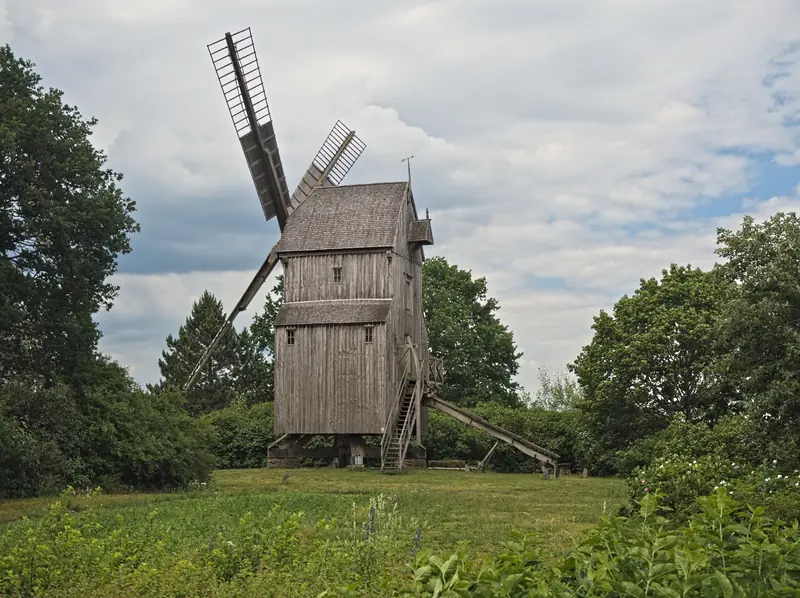
Germany’s landscape is dotted with windmills, each with its own story, but Oppenwehe’s charm lies in its preservation and accessibility. Visitors to this windmill can explore its operational mechanics and understand the vital role it played in local agricultural practices. As you approach the mill, you are greeted by the sight of its towering structure, a testament to the engineering prowess of its time, set against the backdrop of the serene North Rhine-Westphalian countryside. The Post mill Oppenwehe invites you to delve deeper into the history of wind energy and its significance in the region, promising an educational experience that is both enriching and engaging.
History and Significance
The Post mill Oppenwehe serves as a significant cultural artifact, illustrating the evolution of milling technology and its impact on rural German life. Historically, windmills like Oppenwehe were essential for converting wind power into mechanical energy, which was used for grinding grain and other agricultural processes. The presence of such windmills in the region underscores the importance of agricultural innovation and self-sufficiency in rural communities.
While specific historical dates may not be documented, the operational techniques and design features of the Post mill reflect a long-standing tradition of wind-powered milling in Germany. These mills not only provided sustenance to local populations, but they also symbolized the harmony between human ingenuity and the natural environment. The Oppenwehe windmill stands as an emblem of this relationship, showcasing the skills of craftsmen who built and maintained these structures through generations.
Visiting the Post mill provides insight into the agricultural practices that shaped the local economy and the daily lives of the people. It highlights the broader narrative of industrial heritage in Germany, where windmills played an integral role in the transition from manual labor to mechanized processes. The preservation of the Post mill Oppenwehe ensures that this important chapter in history remains accessible for future generations to learn from and appreciate.
Architecture and Features
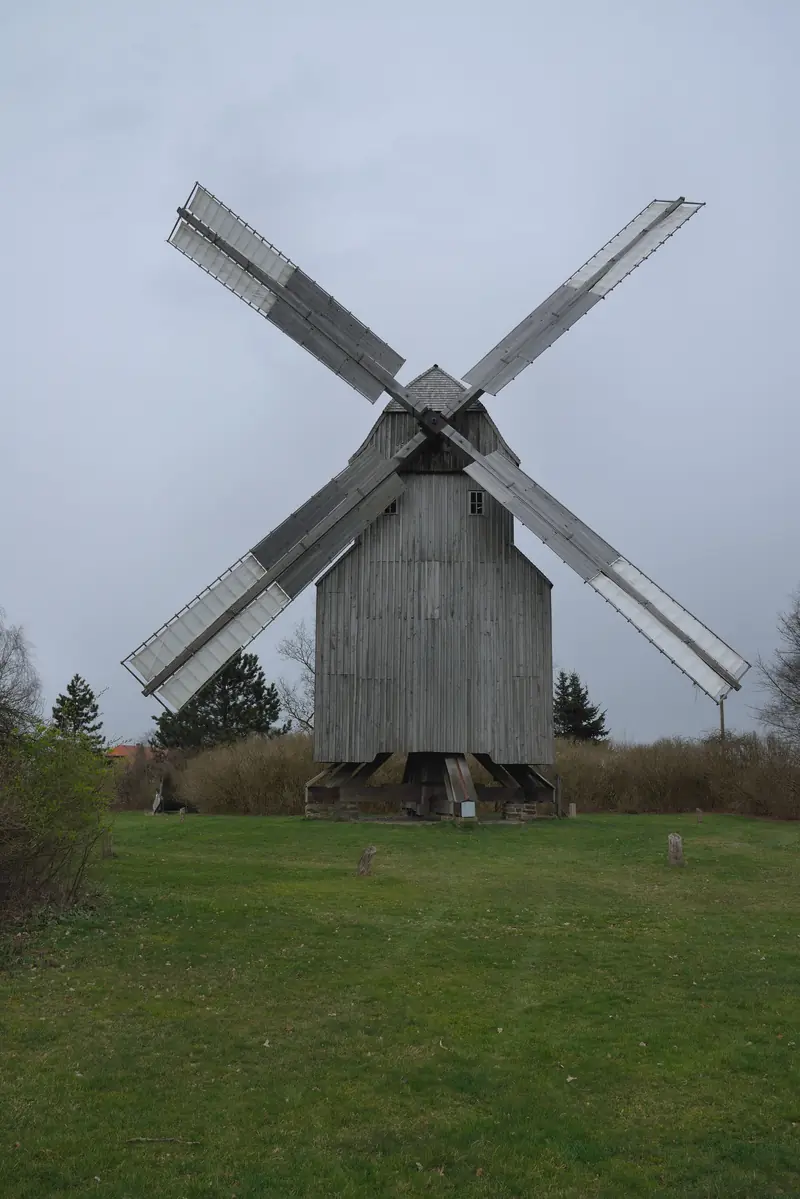
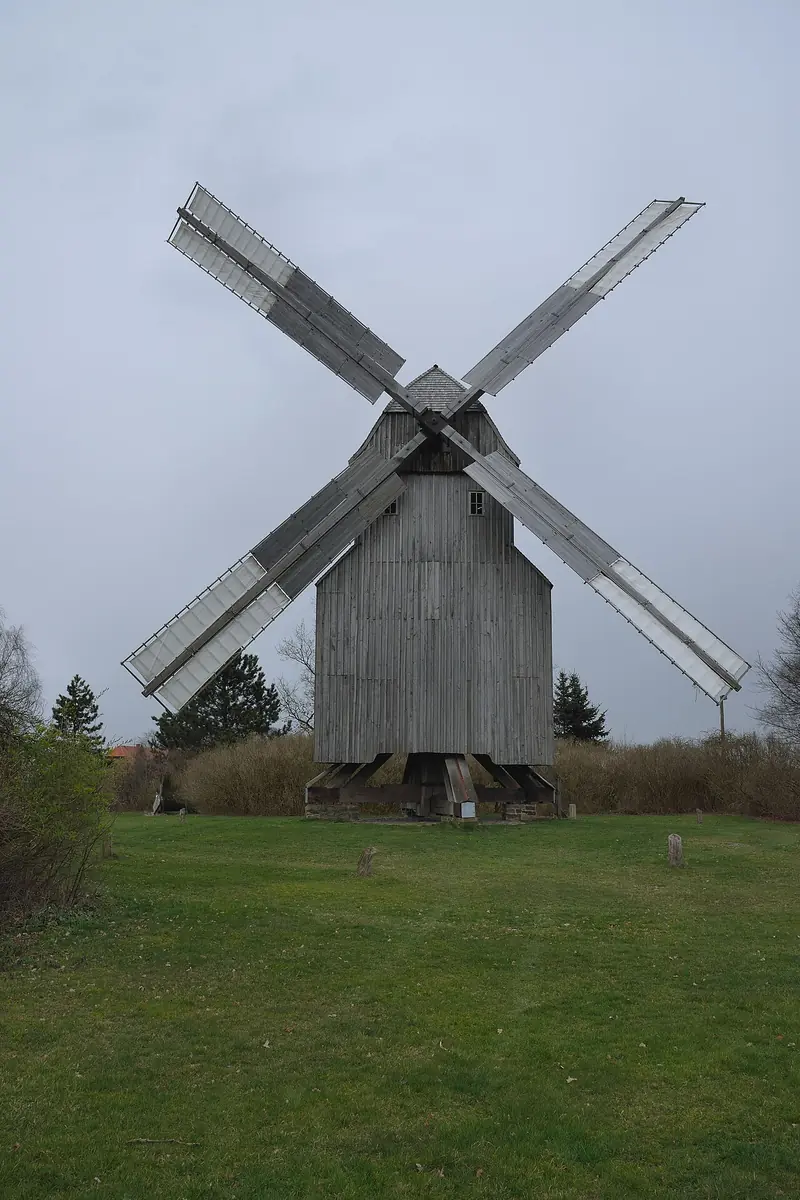
The Post mill Oppenwehe is a quintessential representation of traditional windmill architecture, characterized by its distinctive structure and operational features. The design of the mill allows for the entire upper section, including the sails, to be turned to face the wind, maximizing efficiency. This type of windmill is known for its stability and adaptability, making it particularly effective for harnessing wind energy.
The mill features a tall wooden frame, with the rotating sails extending outward, creating a striking silhouette against the sky. The working mechanisms within the mill include the millstones, which are used for grinding grain, and the various gears that translate the wind’s energy into mechanical power. These components are a testament to the engineering knowledge of the time and the evolution of milling technology.
Visitors can expect to see a variety of original mechanisms and tools still in place, offering a glimpse into the past. The craftsmanship involved in the construction of the Post mill is evident in the intricate details of its wooden structure, which has been preserved to maintain its historical integrity. The combination of functional design and aesthetic appeal makes the Post mill Oppenwehe a significant architectural landmark in the region.
Visiting Information
Reaching the Post mill Oppenwehe is conveniently achievable by various means of transport. Visitors can access the site via public transportation, private car, or cycling routes prevalent in the region. The windmill is situated in a rural area, providing a peaceful setting for exploration.
Check the official website for current information regarding opening hours and ticket prices. Typically, the mill is open to visitors on select days, allowing for guided tours or self-exploration. It is advisable to allocate a couple of hours for your visit to fully appreciate the mill’s historical context and operational mechanics.
The best times to visit are during the spring and summer months when the weather is more favorable for outdoor exploration. This period also allows visitors to experience the natural beauty of the surrounding landscapes, enhancing the overall experience.
Nearby Attractions
While visiting the Post mill Oppenwehe, consider exploring these nearby attractions for a well-rounded regional experience:
- Stemwede: The charming village surrounding the mill, known for its picturesque streets and local culture.
- Mahnmal für die Opfer des Nationalsozialismus: A memorial dedicated to the victims of National Socialism, providing insight into the region’s historical context.
- Waldgebiet Oppenwehe: A nearby forest area perfect for hiking and enjoying nature, providing scenic trails and opportunities for wildlife observation.
- Quakenbrück: A nearby town that features historical architecture and local eateries, offering a taste of the region’s culinary offerings.
Insider Tips
For photography enthusiasts, the Post mill Oppenwehe provides stunning visual opportunities, especially during the golden hour of sunrise or sunset. The windmill’s structure against the changing light makes for captivating images. Arriving early can also help you avoid crowds, allowing for a more intimate experience with the site.
If you plan to visit during weekends or holidays, consider arriving earlier in the day to secure a good spot for photographs and to enjoy the tranquility of the site before it becomes busier.
Practical Information
When visiting the Post mill Oppenwehe, it is advisable to bring along a few essentials. Comfortable walking shoes are recommended, as the area may require some exploration on foot. Depending on the season, layering clothing is wise, as temperatures can vary throughout the day.
Be sure to check the weather forecast before your visit to ensure a pleasant experience. Additionally, packing a water bottle and some snacks can enhance your visit, as you may want to enjoy the serene surroundings while taking in the views.
Frequently Asked Questions
How long should I spend visiting?
Visitors typically spend around 1-2 hours exploring the Post mill Oppenwehe, but this can vary based on personal interest in the site.
Is photography allowed?
Yes, photography is generally encouraged, so feel free to capture the beauty of the mill and its surroundings.
Are there guided tours?
Check the official website for information regarding guided tours, as these may be available on select days.
What’s the best time to visit?
The spring and summer months are ideal for visiting, as the weather is usually more favorable for outdoor activities.
Is it wheelchair accessible?
Accessibility information is best confirmed through the official website, so be sure to check before your visit.
Can I buy tickets online?
Check the official website for current information about ticket purchasing options.
Are there restrooms and cafes?
Facilities may vary, so it’s advisable to check the official website for the latest information on available amenities.
What should I wear?
Dress comfortably and appropriately for the weather, with sturdy footwear for walking and exploring the site.
Visiting the Post mill Oppenwehe offers a unique opportunity to engage with Germany’s industrial heritage while enjoying the scenic beauty of the North Rhine-Westphalian landscape. Whether you are an avid history buff, a photography enthusiast, or simply looking for a peaceful day out, this windmill and its surrounding area promise a rewarding experience.
Photo Gallery