
Porzellanwerk Rosenthal am Rotbühl
Overview
Porzellanwerk Rosenthal am Rotbühl, located in the quaint town of Selb, Bavaria, Germany, is a significant site dedicated to the artistry of porcelain manufacturing. Recognized for its historical and cultural contributions to the ceramics industry, this factory encapsulates the essence of craftsmanship that has evolved over generations. Visitors can explore the distinct architectural features of the factory buildings, which serve as a backdrop to the stories of innovation and tradition in porcelain production.
The site is not only a place to witness the intricate processes involved in creating fine porcelain but also a point of interest for those keen on understanding the industrial heritage of Bavaria. Its historical context makes it an essential stop for anyone interested in the art of ceramics, industrial history, or regional craftsmanship. As you delve into the world of Porzellanwerk Rosenthal, you’ll discover the blend of art and industry that has made it a notable destination for enthusiasts and tourists alike.
History and Significance
The history of Porzellanwerk Rosenthal is intertwined with the development of porcelain manufacturing in Germany, particularly in Bavaria. The region has long been associated with high-quality ceramics, and this factory has played a pivotal role in that narrative. The establishment of porcelain factories in Selb dates back to the 19th century, a time when the demand for fine china surged in Europe. Porzellanwerk Rosenthal emerged as a key player in this burgeoning industry, contributing to both local economies and the broader cultural landscape.
As the factory evolved, it became known for its innovative designs and high standards of craftsmanship. The factory has produced a wide array of porcelain items, from delicate tableware to decorative pieces, each reflecting the artistic vision of its creators. This commitment to quality not only enhanced the factory’s reputation but also established Selb as a center for porcelain manufacturing.
Moreover, the factory has been a focal point for artisans and craftsmen, many of whom have honed their skills through generations of tradition. The cultural significance of Porzellanwerk Rosenthal extends beyond its products; it represents a legacy of artistry and industrial achievement that continues to influence contemporary porcelain design.
Architecture and Features
The architectural design of Porzellanwerk Rosenthal am Rotbühl is noteworthy for its blend of functionality and aesthetic appeal. The factory buildings are characterized by their industrial style, featuring robust structures that reflect the practical needs of porcelain production. Large windows allow natural light to flood the interiors, illuminating the intricate workspaces where artisans create their masterpieces.
Visitors can observe the various sections of the factory, each designed to accommodate specific stages of the porcelain-making process. From raw material preparation to the final glazing and firing stages, the layout is optimized for efficiency while maintaining an atmosphere conducive to creativity. The materials used in the construction of the factory buildings also speak to the region’s industrial history, showcasing local resources and craftsmanship.
One of the standout features of the site is its commitment to preserving traditional techniques while integrating modern innovations. This duality is evident in both the production methods and the aesthetic qualities of the porcelain created here. The factory’s heritage is not only preserved in its physical structures but also in the ongoing practices of its artisans, who continue to push the boundaries of porcelain art.
Visiting Information
Visiting Porzellanwerk Rosenthal am Rotbühl offers a unique opportunity to engage with the world of porcelain craftsmanship. The factory is accessible by various modes of transportation, making it convenient for both local and international visitors. For those traveling by car, there are parking facilities nearby, and public transportation options are available for those who prefer to use trains or buses.
Check the official website for current information regarding visiting hours and ticket prices, as these may vary throughout the year. A visit typically lasts around two to three hours, allowing ample time to explore the factory’s features and possibly participate in guided tours. These tours provide insights into the history, processes, and artistry behind the porcelain produced at the factory.
The best times to visit are during the weekdays when crowds are generally lighter, allowing for a more intimate experience. However, weekends and public holidays often see special events or exhibitions that may enhance your visit.
Nearby Attractions
While visiting Porzellanwerk Rosenthal am Rotbühl, consider exploring these nearby attractions:
Museum of Porcelain: Located in Selb, this museum offers a deeper understanding of the region’s porcelain heritage, showcasing historical pieces and contemporary works.
Waldstein Castle: A short drive away, this historical castle provides a glimpse into the area’s feudal past and offers picturesque views of the surrounding landscape.
Selb City Center: A charming area filled with shops, cafes, and local eateries, perfect for enjoying a break after your factory visit.
Fichtelgebirge Nature Park: This nearby park is ideal for those looking to enjoy the natural beauty of the region, with hiking trails and scenic viewpoints.
Bavarian Porcelain Factory Museum: An informative site that focuses on the history and development of porcelain manufacturing in Bavaria.
Insider Tips
To make the most of your visit to Porzellanwerk Rosenthal, consider the following tips:
Photography: While photography may be allowed in certain areas, be sure to check for any restrictions, particularly in production spaces.
Crowd Avoidance: If you prefer a quieter experience, plan your visit during weekdays or early in the morning when fewer visitors are present.
Practical Information
When preparing for your visit to Porzellanwerk Rosenthal, keep in mind the following practical considerations:
What to Bring: Comfortable walking shoes are recommended, as you will likely be exploring various parts of the factory. A light jacket may also be useful, as temperatures can vary indoors.
Seasonal Considerations: If visiting during the colder months, dress warmly, as some areas of the factory may be unheated.
Frequently Asked Questions
How long should I spend visiting?
A visit typically lasts around two to three hours, providing ample time to explore the factory and its exhibits.
Is photography allowed?
Photography policies may vary, so it’s advisable to check for any restrictions, especially in production areas.
Are there guided tours?
Yes, guided tours are available, offering insights into the history and processes of porcelain production.
What’s the best time to visit?
Weekdays generally see fewer crowds, making them ideal for a more relaxed experience.
Is it wheelchair accessible?
Accessibility details can vary; check the official website for specific information on wheelchair access.
Can I buy tickets online?
Check the official website for information on ticket purchasing options, including online availability.
Are there restrooms and cafes?
Facilities are typically available on-site, but confirm with the official website for the latest updates.
What should I wear?
Dress comfortably and consider the season; layers are recommended for varying indoor temperatures.
More in Bavaria

8. November 1939 (Denkmal)
📍 Bavaria, Germany
The 8. November 1939 (Denkmal) stands as a poignant monument in Munich, Germany, marking a significant moment in the nation’s history. Dedicated to …

Abbey of St. Nikola in Passau
📍 Bavaria, Germany
The Abbey of St. Nikola in Passau stands as a significant religious and cultural landmark in this historic German city. Located at coordinates …

Abensbergerdenkmal
📍 Bavaria, Germany
The Abensbergerdenkmal, a notable monument located in Freising, Upper Bavaria, Germany, serves as an evocative reminder of the region’s historical and …
Abrechen (München)
📍 Bavaria, Germany
Abrechen in München is a bridge that plays a significant role in the connectivity of this bustling German city. Located at coordinates 48.1357, …
Abschnittsbefestigung Andechs
📍 Bavaria, Germany
The Abschnittsbefestigung Andechs, a striking castle located in the scenic region of Andechs, Germany, offers a fascinating glimpse into the …
Abschnittsbefestigung im Taitinger Holz
📍 Bavaria, Germany
The Abschnittsbefestigung im Taitinger Holz represents an intriguing chapter in Germany’s medieval architectural narrative. Located in Bavaria, this …
More Factories
A. Heucke
📍 Lower Saxony, Germany
A. Heucke, located in the historic town of Gatersleben in Germany’s Seeland region, represents a significant chapter in the story of industrial …
Adam Opel AG Werk Bochum I
📍 Lower Saxony, Germany
The Adam Opel AG Werk Bochum I, located in Germany, represents a significant chapter in the history of industrial production. This former production …
Adam Opel AG Werke Bochum II/III
📍 Lower Saxony, Germany
Adam Opel AG Werke Bochum II/III is a distinguished factory located in Germany, playing a significant role in the automotive industry. This site is …
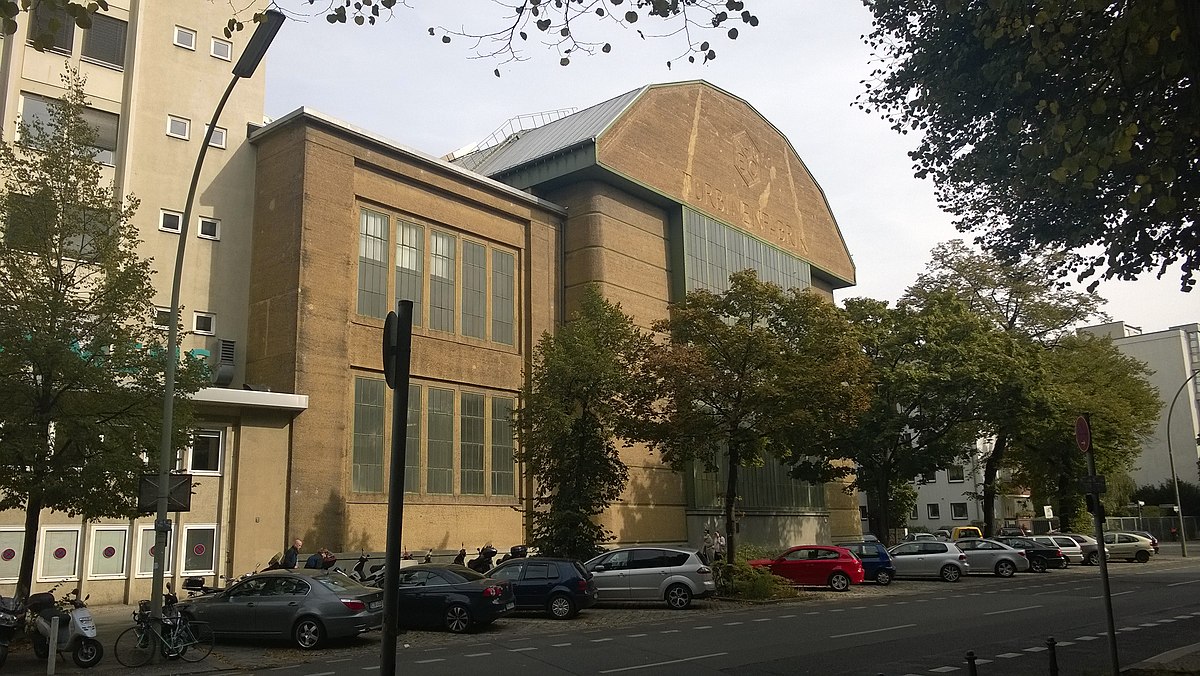
AEG's Turbine factory
📍 Berlin, Germany
The AEG Turbine Factory, an iconic structure in Berlin’s Bezirk Mitte, is a significant landmark that reflects the industrial heritage of the city. …
AKA-Radiergummifabrik
📍 Lower Saxony, Germany
The AKA-Radiergummifabrik, a significant former factory located in Hannover, Germany, offers a unique glimpse into the industrial past of the region. …

Alte Malzfabrik
📍 Lower Saxony, Germany
Alte Malzfabrik, located in Mülheim an der Ruhr, Germany, is an intriguing factory site that encapsulates the industrial heritage of the region. This …