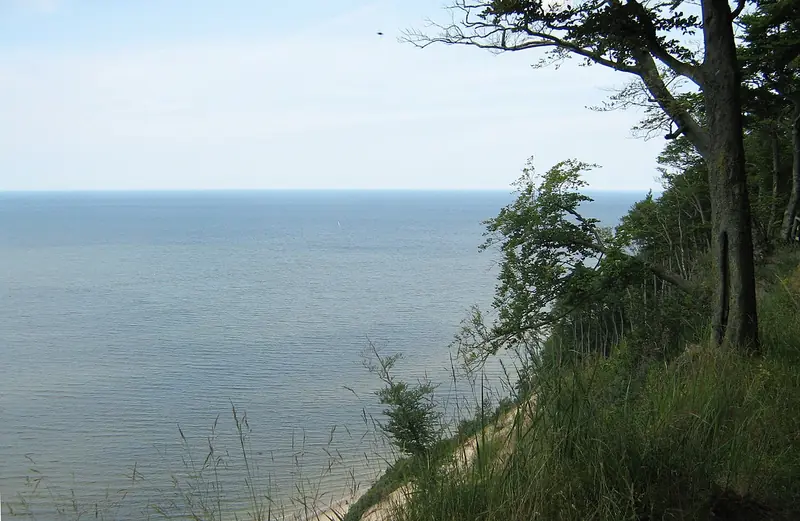
Overview
The Pommersche Bucht, a marine nature reserve in the Baltic Sea, offers visitors a unique glimpse into the delicate ecosystems that thrive within Germany’s exclusive economic zone. This reserve is not only a sanctuary for various marine species but also serves as a vital area for research and education regarding marine conservation. The reserve’s strategic location makes it a significant part of the Baltic Sea’s ecological network, emphasizing the importance of protecting such environments. With its expansive waters and diverse habitats, the Pommersche Bucht invites nature enthusiasts, researchers, and casual visitors to explore its intricate beauty and understand the critical role it plays in marine biodiversity.
History and Significance
The Pommersche Bucht’s history is intricately tied to the broader environmental and economic developments in the Baltic Sea region. The area has long been recognized for its ecological significance, serving as a crucial habitat for numerous marine species. The establishment of this nature reserve reflects a growing global awareness of the importance of protecting marine ecosystems from the impacts of human activity.
In recent decades, the Baltic Sea has faced various challenges, including overfishing, pollution, and habitat degradation. The Pommersche Bucht, as a protected area, plays a vital role in addressing these issues. It provides a safe haven for fish populations to regenerate and for marine life to thrive without the pressures of commercial exploitation. The reserve is also significant for research, offering opportunities to study marine biology, ecology, and conservation methods that can be applied elsewhere.
Moreover, the Pommersche Bucht’s cultural significance cannot be overlooked. The marine environment has historically supported local communities through fishing and tourism. As awareness of environmental issues has grown, so too has the recognition of the need to balance human activity with conservation efforts. This balance is essential for sustaining local economies while preserving the natural heritage of the region for future generations.
Architecture and Features
The Pommersche Bucht is characterized by its vast marine expanse, which is home to a variety of habitats including sandy bottoms, rocky shores, and seagrass meadows. These ecosystems support a diverse range of marine life, including fish, mollusks, crustaceans, and various aquatic plants. The reserve’s waters are crucial for the spawning and nursery activities of several fish species, thereby contributing to the overall health of the Baltic Sea.
One of the notable features of the Pommersche Bucht is its status as a designated nature reserve. This designation helps protect the area’s biodiversity and allows for the implementation of conservation strategies aimed at preserving the unique marine environments found within its boundaries. The reserve is also part of broader initiatives aimed at improving the ecological health of the Baltic Sea, emphasizing the interconnectedness of marine ecosystems.
Visitors to the Pommersche Bucht can expect to encounter a vibrant array of wildlife and marine flora. The area is particularly known for its rich birdlife, which can be observed throughout the year, making it a popular spot for birdwatching. The interplay between land and sea in this region creates a dynamic landscape that is continually shaped by natural processes.
Visiting Information
To reach the Pommersche Bucht, visitors can use various transport options, including personal vehicles and public transportation. The nearest major cities provide access points from which to explore the reserve. Given its marine location, boat tours may also offer a unique perspective of the area.
When planning a visit, it’s advisable to check the official website for current information regarding hours and any necessary permits or fees. Expect to spend a few hours in the reserve, as this allows ample time to appreciate the marine environment and observe wildlife. The best times to visit typically coincide with milder weather, which is often during late spring to early autumn, although the area’s beauty can be appreciated year-round.
Visitors should come prepared for outdoor activities, bringing essentials such as binoculars for birdwatching, cameras for photography, and appropriate clothing for changing weather conditions. As a nature reserve, the Pommersche Bucht encourages responsible exploration, including adhering to guidelines aimed at minimizing human impact on the environment.
Nearby Attractions
Usedom Island: A popular seaside destination known for its sandy beaches and charming resorts, Usedom Island offers a range of recreational activities and a picturesque landscape.
Pomeranian State Museum: Located in Greifswald, this museum showcases the cultural history of the Pomerania region, providing insight into the area’s heritage.
Ahlbeck Pier: This historic pier on Usedom Island is a lovely spot for a leisurely stroll, offering beautiful views of the coast and access to local cafes and shops.
Peene River: A nearby river that is ideal for kayaking and nature walks, the Peene River presents opportunities for wildlife observation along its banks.
Swinoujscie: Just across the border in Poland, this charming coastal town features beautiful beaches, a vibrant promenade, and historical sites worth exploring.
Insider Tips
To capture the stunning biodiversity of the Pommersche Bucht, photography enthusiasts should plan visits during the golden hours of early morning or late afternoon for optimal lighting. Additionally, visiting during weekdays rather than weekends can help avoid larger crowds, providing a more serene experience. Bringing a good pair of binoculars is also recommended for spotting marine life and birds from a distance without disturbing their natural behaviors.
Practical Information
When visiting the Pommersche Bucht, it’s essential to bring essentials such as sunscreen, hats, and reusable water bottles to stay hydrated. Depending on the season, layers of clothing are advisable, as weather conditions can change rapidly in coastal regions.
For those interested in exploring more extensive coastal trails or engaging in water activities, packing suitable footwear and gear is wise. As a nature reserve, it’s crucial to respect the environment by following all guidelines and regulations to preserve the natural beauty of the area.
Frequently Asked Questions
How long should I spend visiting?
A few hours in the Pommersche Bucht is ideal for enjoying the natural surroundings and observing wildlife.
Is photography allowed?
Yes, photography is encouraged, particularly for capturing the area’s diverse flora and fauna.
Are there guided tours?
Check the official website for information on any available guided tours or educational programs.
What’s the best time to visit?
Late spring to early autumn typically offers the best weather for exploring the reserve.
Is it wheelchair accessible?
Accessibility information may vary; check the official website for details regarding wheelchair access.
Can I buy tickets online?
For current information on any fees or permits, check the official website.
Are there restrooms and cafes?
Specific facilities may be limited; it’s advisable to check the official website for amenities in the area.
What should I wear?
Dress in layers and wear comfortable, weather-appropriate clothing suitable for outdoor activities.



