
Pomeranian State Museum
Overview
The Pomeranian State Museum, located in the historic city of Greifswald, Germany, serves as a public institution that specializes in the history and arts of the Pomeranian region. As a significant cultural establishment, it offers an insightful exploration of the area’s heritage, showcasing a diverse collection that spans various artistic expressions and historical narratives. Visitors are welcomed into a space that not only celebrates local art but also provides a deeper understanding of Pomeranian culture and its evolution over time.
Situated in the picturesque landscape of northern Germany, Greifswald itself has a rich intellectual tradition, being home to one of the oldest universities in the country. The museum plays a vital role in preserving and presenting the artistic and historical legacy of Pomerania, attracting both local residents and international visitors. With its comprehensive exhibits and engaging educational programs, the Pomeranian State Museum promises a rewarding experience for all who seek to connect with the region’s past and artistic endeavors.
History and Significance
The Pomeranian State Museum is a cornerstone of cultural heritage in Greifswald, reflecting the rich history of Pomerania that dates back centuries. The museum’s collections encompass a variety of art forms, including paintings, sculptures, and historical artifacts that narrate the story of this unique region. The significance of the museum extends beyond its collections; it serves as a venue for exhibitions and cultural events, fostering a deeper appreciation of Pomeranian identity.
Throughout its existence, the museum has played a pivotal role in the preservation of local history and culture. Its commitment to education and community engagement has made it a vital resource for researchers, artists, and history enthusiasts alike. The museum’s exhibitions often highlight the connections between Pomerania and broader European art movements, showcasing how local artists have contributed to and been influenced by wider trends.
As a public institution, the museum is dedicated to making art and history accessible to everyone, embodying the spirit of inclusivity and engagement. Through its various programs, it encourages dialogue about the region’s past and its relevance to contemporary society, ensuring that the legacy of Pomerania continues to inspire future generations.
Architecture and Features
The physical structure of the Pomeranian State Museum reflects both historical and contemporary architectural elements, creating a setting that is as engaging as the collections it houses. While specific architectural details may not be provided, the museum is designed to complement the historical ambiance of Greifswald, blending harmoniously with its surroundings.
Upon entering the museum, visitors will find a thoughtfully curated space that encourages exploration. The interior often features spacious galleries that allow for the display of large-scale artworks and installations. The layout is designed to facilitate a flow from one exhibit to the next, enabling guests to immerse themselves in the various themes and stories presented.
Notable features of the museum include its diverse range of exhibits, which are periodically updated to reflect new research and artistic trends. The museum also incorporates educational spaces where workshops and lectures can be held, further enhancing its role as a community hub for learning and cultural exchange.
Visiting Information
Planning a visit to the Pomeranian State Museum requires some consideration of logistics. The museum is accessible by various modes of transport, including public transit, making it convenient for both locals and tourists. For the most accurate and updated information regarding opening hours and admission prices, it is advisable to check the official website prior to your visit.
When visiting the museum, it is recommended to allocate sufficient time to explore the various exhibits, with a typical visit lasting around two to three hours. This allows visitors to fully engage with the displays and participate in any scheduled programs or events.
The best times to visit are often during weekdays or early in the morning, as these periods tend to be less crowded. This can enhance the overall experience, allowing for a more personal connection with the art and history on display.
Nearby Attractions
While the Pomeranian State Museum is a central attraction in Greifswald, the city is also home to several notable sites worth exploring:
University of Greifswald: Founded in 1456, this historic university is one of the oldest in Germany and offers beautiful campus architecture and gardens.
St. Nicholas Cathedral: An iconic landmark in Greifswald, this Gothic cathedral features impressive architecture and a rich history dating back to the 14th century.
Museum of Cultural History: Located nearby, this museum provides additional insight into the cultural heritage of the region through its varied exhibits.
Botanical Garden of the University of Greifswald: This serene garden is a perfect spot for a leisurely stroll, showcasing diverse plant species and peaceful landscapes.
Greifswald’s Old Town: A charming area filled with historic buildings, cafes, and shops, perfect for exploring local culture and cuisine.
Insider Tips
For those looking to capture the essence of the Pomeranian State Museum through photography, be mindful of any restrictions on camera use within certain exhibits. Early morning visits can provide the added benefit of natural light and fewer visitors, allowing for more uninterrupted shots.
Additionally, consider visiting during special exhibitions or events, as these can offer unique insights and experiences not available during regular hours. Engaging with museum staff can also enhance your understanding of the artwork and artifacts on display.
Practical Information
When visiting the Pomeranian State Museum, it is advisable to wear comfortable shoes, as you may spend considerable time walking through the galleries. Seasonal considerations can influence your experience; check the weather forecast and dress accordingly, especially if you plan to explore the surrounding area.
It is also wise to bring a reusable water bottle and perhaps a light snack, as you may find it convenient to take breaks during your visit. Engaging fully with the exhibits can be an enriching experience, and being prepared will enhance your enjoyment.
Frequently Asked Questions
How long should I spend visiting?
A typical visit lasts about two to three hours, allowing you to fully engage with the exhibits and any special programs.
Is photography allowed?
Photography policies may vary, so it’s best to check with the museum staff or signage regarding specific restrictions in certain exhibits.
Are there guided tours?
Yes, the museum regularly offers guided tours that provide deeper insights into the collections and their significance.
What’s the best time to visit?
Weekdays or early mornings are often the best times to visit, as these periods tend to be less crowded.
Is it wheelchair accessible?
Check the official website for the latest information on accessibility options within the museum.
Can I buy tickets online?
Ticket purchasing options may vary; it’s advisable to check the official website for current details on online ticket sales.
Are there restrooms and cafes?
The museum typically provides visitor amenities, including restrooms. Check the official website for information on cafes or dining options available on-site.
What should I wear?
Comfortable clothing and shoes are recommended, as you may spend a considerable amount of time walking through the museum and exploring nearby attractions.
More in Mecklenburg-Vorpommern

Ahrenshoop Strand
📍 Mecklenburg-Vorpommern, Germany
Ahrenshoop Strand is a captivating beach destination located on the picturesque Fischland-Darß-Zingst peninsula along Germany’s northeastern coast. …

Anklam Gate of Usedom City
📍 Mecklenburg-Vorpommern, Germany
The Anklam Gate of Usedom City stands as a significant architectural feature within the historical landscape of Usedom, Germany. This city gate, a …

Anklamer Tor
📍 Mecklenburg-Vorpommern, Germany
The Anklamer Tor, a historic city gate located in the Friedland region of Germany, serves as a fascinating portal into the architectural and cultural …

Aufklärungsturm A
📍 Mecklenburg-Vorpommern, Germany
Aufklärungsturm A is a notable tower located near Klaustorf in the Ostholstein region of Germany. This structure stands as a remarkable example of …

Bad Doberan Minster
📍 Mecklenburg-Vorpommern, Germany
Bad Doberan Minster, an architectural marvel located in the heart of Bad Doberan, Germany, is a significant church building that attracts visitors …
Bakenberg
📍 Mecklenburg-Vorpommern, Germany
Bakenberg, located on the picturesque island of Rügen in Mecklenburg-Vorpommern, Germany, is a tranquil retreat where sandy beaches meet the gentle …
More Art Museums

Aachen Cathedral Treasury
📍 North Rhine-Westphalia, Germany
Aachen Cathedral Treasury, located in the historic city of Aachen, Germany, is a remarkable art museum that houses an impressive collection of …

Abteiberg Museum
📍 North Rhine-Westphalia, Germany
In the heart of Mönchengladbach, Germany, the Abteiberg Museum stands out as a prominent destination for art enthusiasts and cultural explorers alike. …

Akademisches Kunstmuseum
📍 North Rhine-Westphalia, Germany
In the heart of Bonn, Germany, lies the Akademisches Kunstmuseum, an art museum that invites visitors to explore a diverse collection of artworks …

Albertinum
📍 Saxony, Germany
Albertinum is a prominent art museum located in the heart of Dresden, Germany, serving as a significant cultural institution in the region. …

Albrecht Dürer's House
📍 Bavaria, Germany
Albrecht Dürer’s House stands as a significant cultural landmark in Nuremberg, Germany, celebrating the life and work of one of the Renaissance’s most …
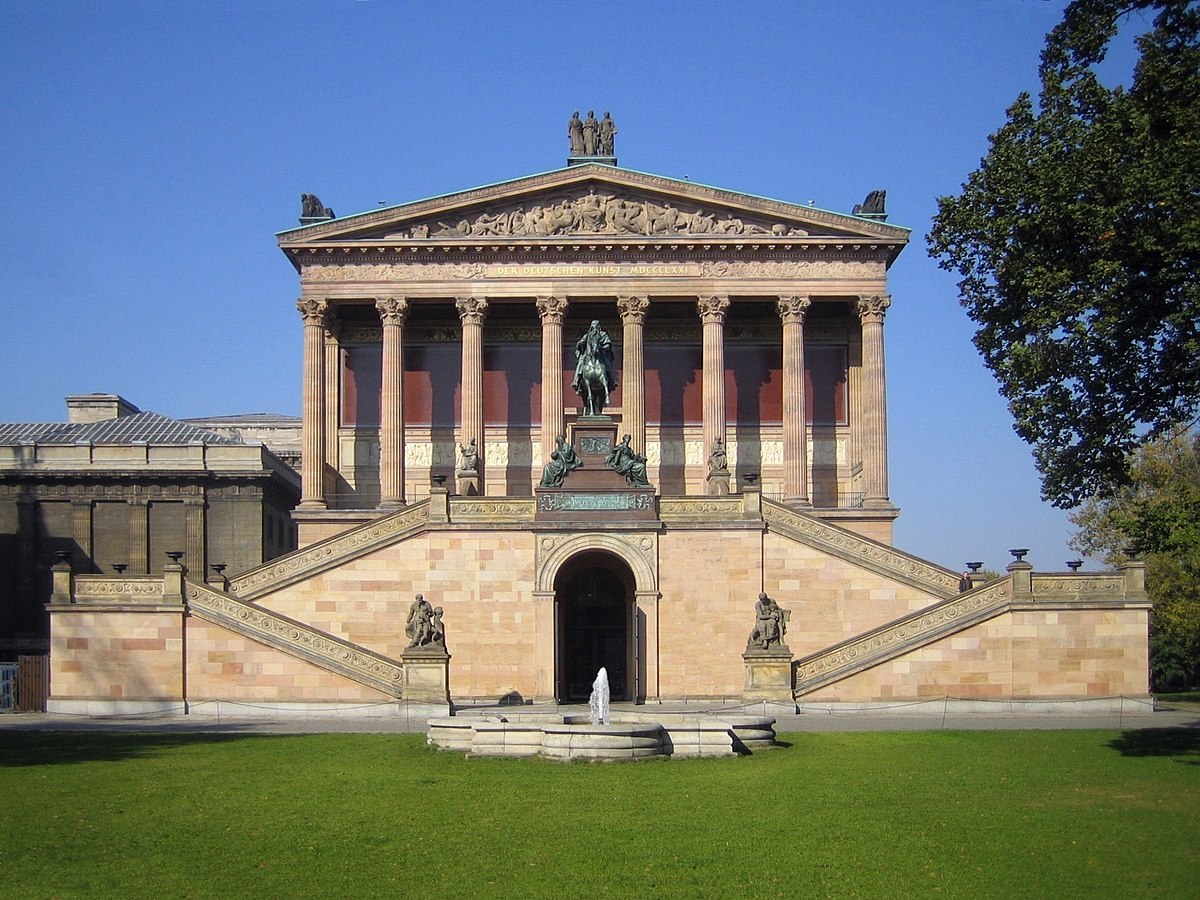
Alte Nationalgalerie
📍 Berlin, Germany
The Alte Nationalgalerie, an esteemed art museum located in Berlin’s Bezirk Mitte, is a cornerstone of cultural appreciation in Germany. This museum …