Plastinarium
Overview
The Plastinarium in Guben, Germany, invites visitors into an extraordinary exploration of the human body through the art of plastination. This unique museum is dedicated to showcasing the intricate workings of human anatomy, offering a rare glimpse into both the beauty and complexity of life. As the birthplace of this innovative preservation technique, Guben holds a significant place in the realm of anatomical study and public education. Visitors can expect an engaging experience that merges science with artistry, providing profound insights into what makes us human.
Located at coordinates 51.9587, 14.7109, the Plastinarium serves not only as a museum but also as a center of research and education, making it a notable destination for those interested in biology, medicine, and the visual arts.
History and Significance
The Plastinarium’s significance lies in its pioneering contribution to the field of anatomy through the technique of plastination, invented by Gunther von Hagens in the late 20th century. This method involves replacing bodily fluids and fat with polymers, allowing for the creation of durable, lifelike specimens that can be displayed without decay. The development of plastination has revolutionized medical education and public understanding of human anatomy, providing an alternative to traditional preservation methods.
Since its establishment, the Plastinarium has played a crucial role in both advancing anatomical knowledge and promoting health awareness. The museum not only serves as a resource for students and professionals in the medical field but also aims to demystify the human body for the general public. Through various exhibitions, it engages visitors in discussions about health, mortality, and the ethical considerations surrounding anatomical studies.
In addition to its educational focus, the museum has sparked conversations about the intersection of science and art. The displays challenge visitors to reconsider their perceptions of the human body, emphasizing the intricate connections between form and function. The Plastinarium thus stands as a significant cultural institution, blending artistic expression with scientific inquiry.
Architecture and Features
The architectural design of the Plastinarium is characterized by its modern aesthetic, which complements the innovative nature of its exhibits. The museum is spacious and well-organized, allowing for a seamless flow of visitors as they navigate the various displays. Inside, the environment is carefully curated to enhance the educational experience, with clear signage and informative descriptions accompanying each exhibit.
Notable features of the museum include life-sized plastinated specimens presented in dynamic poses that illustrate the body’s functions in an engaging manner. These displays serve not only to educate but also to provoke thought about the human experience. The use of lighting and layout within the museum is designed to draw attention to the intricacies of the specimens, creating an atmosphere that encourages exploration and reflection.
Visitors can expect to see a range of plastinated specimens, from whole human bodies to individual organs, each meticulously prepared to highlight specific anatomical features. The thoughtful arrangement of these displays fosters an environment conducive to learning while respecting the significance of the subject matter.
Visiting Information
The Plastinarium is accessible to visitors year-round, although specific hours and admission prices may vary. To ensure a smooth visit, it is advisable to check the official website for current information regarding hours and ticket prices before planning your trip.
When visiting, allocate a minimum of one to two hours to fully appreciate the exhibits and engage with the information presented. The museum’s layout is designed to guide visitors through the various displays effectively, making it easy to navigate even for those unfamiliar with anatomical studies.
The best times to visit the Plastinarium are during weekdays, particularly in the morning or early afternoon, when crowds are typically smaller. This timing allows for a more intimate experience, giving visitors the opportunity to take their time with each exhibit.
Transport options to the museum are straightforward, with local public transportation available. For those traveling by car, parking facilities are likely to be available nearby.
Nearby Attractions
While visiting the Plastinarium, consider exploring these nearby attractions to enrich your experience in Guben:
- Guben Town Center – A charming area featuring local shops and cafes, perfect for a leisurely stroll.
- Cultural Center of Guben – Offers various exhibitions and performances, showcasing local arts and culture.
- Historic Guben Church – A notable architectural landmark with a rich history, worth a visit for those interested in local heritage.
- The Oder River – Enjoy scenic views and opportunities for outdoor activities along the riverbanks.
- Museum of Local History – Discover more about Guben’s past and its significance within the region.
Insider Tips
For photography enthusiasts, capturing images at the Plastinarium can be a unique experience. However, be mindful of any restrictions regarding photography to respect the museum’s guidelines. Try to visit during quieter hours to enjoy unobstructed views of the exhibits.
To avoid larger crowds, consider visiting during weekdays or early in the day, as weekends can attract more visitors. This approach allows for a more relaxed experience, enabling deeper engagement with the displays.
Practical Information
When visiting the Plastinarium, it is advisable to bring along a few essential items. A notebook or camera may enhance your experience, allowing you to document insights and observations. Comfortable walking shoes are recommended, as you may spend significant time on your feet while exploring the exhibits.
Seasonal considerations should be noted, as Guben experiences varying weather conditions throughout the year. Dress appropriately for the season, and check the forecast to ensure a pleasant visit.
Frequently Asked Questions
How long should I spend visiting?
A visit typically takes between one to two hours, allowing ample time to explore the exhibits.
Is photography allowed?
Check the museum’s policies regarding photography, as restrictions may apply.
Are there guided tours?
Guided tours may be available; confirm through the official website for current offerings.
What’s the best time to visit?
Weekdays, particularly in the morning or early afternoon, are ideal for a quieter experience.
Is it wheelchair accessible?
The museum generally strives to be accessible to all visitors, but check the official website for specific accessibility options.
Can I buy tickets online?
Ticket purchasing options may be available online; verify details on the official website.
Are there restrooms and cafes?
Facilities such as restrooms are likely available, but check for any food options on-site.
What should I wear?
Dress comfortably and consider the weather, as Guben can experience varying conditions throughout the year.
The Plastinarium offers a profound and thought-provoking experience, making it an essential stop for those intrigued by the complexities of human anatomy and the innovative methods of its exploration.
More in Brandenburg
Agnetenkloster
📍 Brandenburg, Germany
Agnetenkloster, a former monastery located in the heart of Magdeburg, Germany, invites visitors to explore its serene ambiance and historical …

Agroneum
📍 Brandenburg, Germany
Agroneum is a museum located in the serene landscape of Alt Schwerin, Germany. This establishment serves as a vibrant hub for those interested in the …

Alexander Nevsky Memorial Church
📍 Brandenburg, Germany
The Alexander Nevsky Memorial Church in Potsdam, Germany, offers visitors a unique glimpse into the city’s cultural and religious heritage. This …
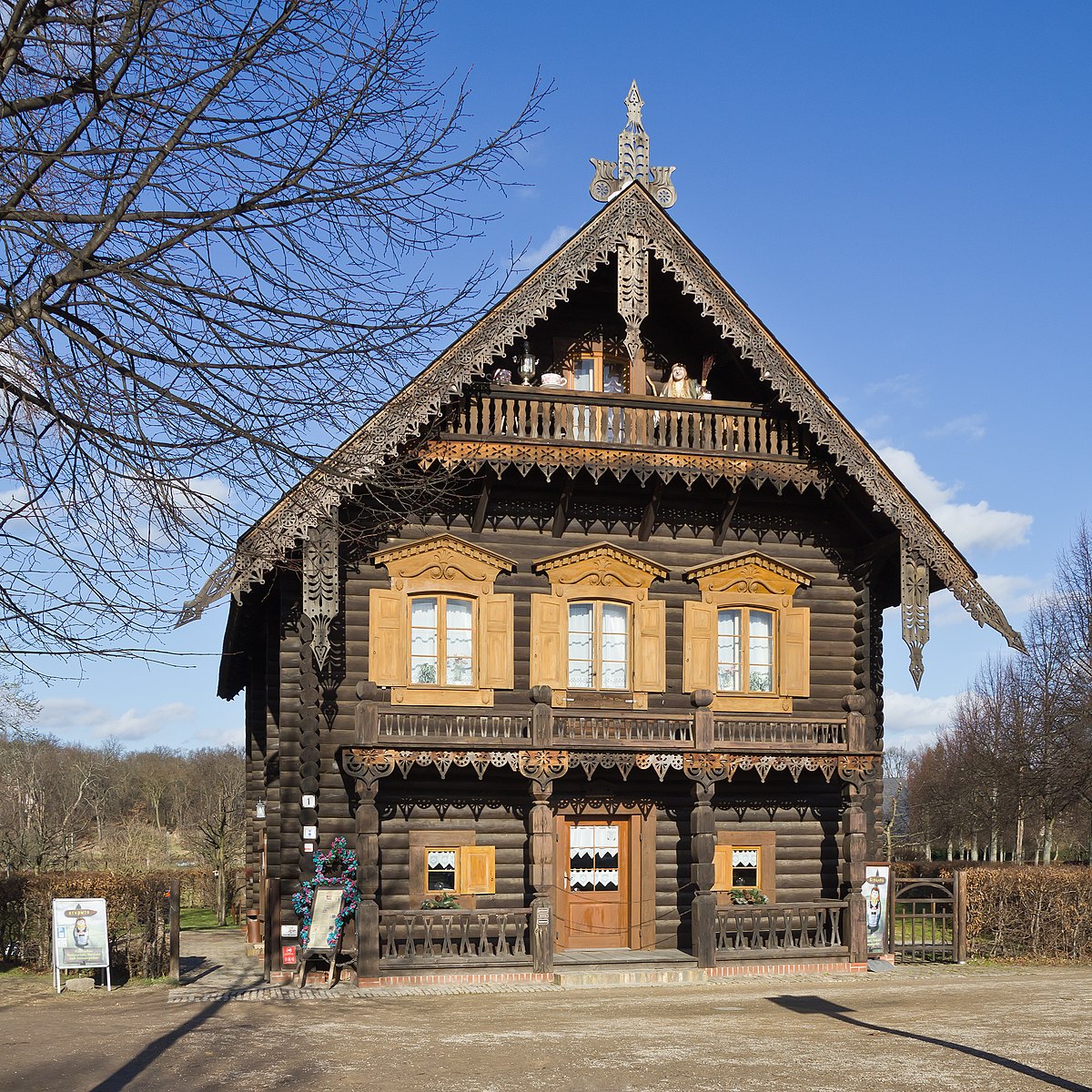
Alexandrowka
📍 Brandenburg, Germany
Located in the picturesque city of Potsdam, Germany, Alexandrowka is an intriguing architectural ensemble that reflects a unique blend of Russian and …

Alte Burg Penzlin
📍 Brandenburg, Germany
Alte Burg Penzlin, a captivating castle located in the quaint town of Penzlin, Germany, serves as a remarkable example of medieval architecture and …

Alte Dorfkirche Röxe
📍 Brandenburg, Germany
The Alte Dorfkirche Röxe stands as a poignant symbol of architectural and cultural history in the Stendal region of Germany. This church building, …
More Museums

Abbey and Altenmünster of Lorsch
📍 Baden-Württemberg, Germany
The Abbey and Altenmünster of Lorsch is a UNESCO World Heritage site located in the charming town of Lorsch, Germany. This significant cultural …
Abenteuermuseum
📍 Rhineland-Palatinate, Germany
The Abenteuermuseum, located in Germany, invites visitors to explore the wonders of adventure through its unique exhibits and engaging experiences. …

Abwasser- und Sielmuseum
📍 Hamburg, Germany
The Abwasser- und Sielmuseum, located in the heart of Hamburg-Mitte, offers a unique glimpse into the city’s historical infrastructure concerning …

Academy of Arts, Berlin
📍 Berlin, Germany
The Academy of Arts in Berlin is not just a museum; it is a prominent national institution dedicated to the advancement of the arts in Germany. …

Ackerbürgermuseum Haus Leck
📍 Hesse, Germany
Ackerbürgermuseum Haus Leck is a culturally significant museum located in Germany’s Grebenstein region, dedicated to preserving and showcasing the …

Active Museum Spiegelgasse
📍 Hesse, Germany
Active Museum Spiegelgasse is a vital institution dedicated to preserving and exploring the German-Jewish history of Wiesbaden, Germany. Located in …