Overview
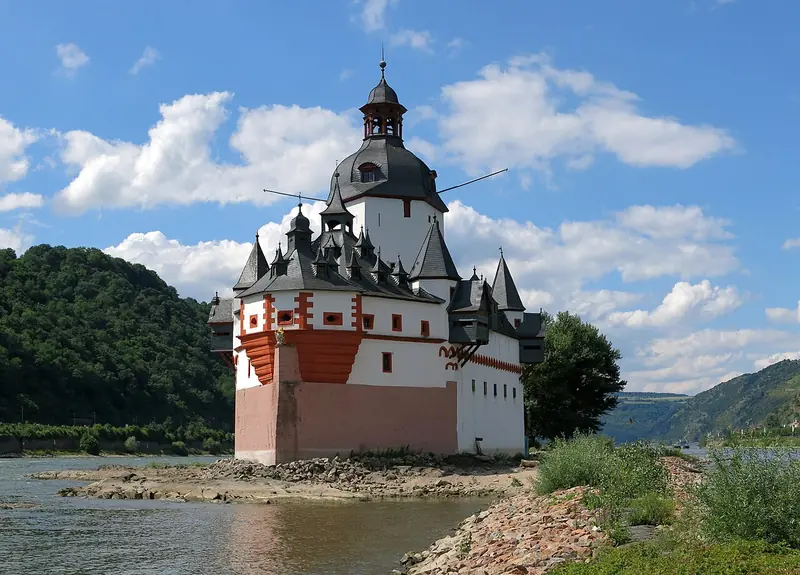
Pfalzgrafenstein Castle stands as a remarkable example of medieval fortification, perched strategically on a small islet in the Rhine River. This unique positioning not only provides stunning views of the surrounding landscape but also highlights its historical significance as a defensive stronghold. The castle’s commanding presence amidst the flowing waters captures the imagination of visitors, drawing them into a narrative filled with intrigue and defensive prowess.
Located in Germany, the castle is part of a region rich in history and culture, where the natural beauty of the landscape complements its architectural grandeur. As you approach Pfalzgrafenstein, the sight of its stone walls rising from the river creates an atmosphere that feels both timeless and enchanting. The castle matters not only for its architectural features but also for its role in the broader narrative of the region’s history.
When you visit Pfalzgrafenstein Castle, you’ll discover a wealth of stories etched into its stones, ranging from its strategic military importance to its evolution over centuries. This guide will take you through the castle’s history, architectural features, visitor information, and nearby attractions, ensuring you have a comprehensive understanding of this fascinating heritage site.
History and Significance
Pfalzgrafenstein Castle has witnessed a variety of historical events and transformations throughout the centuries. Originally constructed as a fortification, its purpose was to control the significant trade routes along the Rhine River, which were vital for commerce and military movement in the region. Over time, the castle evolved from a purely defensive structure into a symbol of power and prestige for the local nobility.
The castle’s unique location on an islet allowed for an effective defensive posture against any potential invaders. Its strategic significance cannot be overstated; controlling the river’s traffic was crucial for maintaining regional dominance. As trade flourished, so did the castle’s importance, becoming a central point of authority in the area.
Throughout its history, Pfalzgrafenstein has undergone various modifications to adapt to changing military technology and architectural trends. These transformations reflect broader historical shifts in the region, including changes in governance and societal structure. The castle not only serves as a fortification but also embodies the evolution of architectural styles and military strategies over time.
Today, Pfalzgrafenstein Castle is recognized not only for its historical significance but also for its role in cultural heritage. It attracts visitors interested in the history of the Rhine and the castles that once defined its landscape. The castle stands as a monument to the relentless human endeavor to protect and assert control over territory, making it a vital part of Germany’s historical narrative.
Architecture and Features
Pfalzgrafenstein Castle is characterized by its robust architectural features, which reflect its origins as a fortification. The castle’s walls are built of solid stone, designed to withstand attacks and provide shelter for its inhabitants. The structure’s compact design emphasizes its defensive capabilities while maintaining a distinct aesthetic appeal.
Visitors will notice the castle’s prominent towers, which rise above the surrounding landscape, offering a vantage point over the Rhine. These towers were not merely decorative; they served essential functions for surveillance and defense. The entrance to the castle, with its heavy wooden doors and fortified gate, evokes a sense of strength and security.
As you explore the castle, you’ll find various rooms that once served different purposes, from living quarters to storage areas for supplies. The strategic layout of the castle ensures that every space was utilized effectively, illustrating the practicality of medieval architecture. The design elements, while functional, also reveal an understanding of the aesthetic qualities that enhance the castle’s visual impact.
The surrounding landscape further enhances the castle’s architectural charm, with the flowing waters of the Rhine providing a picturesque backdrop. Visitors are often captivated by the interplay of light and shadow on the castle’s stone walls, particularly during sunrise and sunset. This visual dynamism adds another layer of beauty to the already striking structure, making it a subject of interest for photography and artistic expression.
Visiting Information
Getting to Pfalzgrafenstein Castle is straightforward, with various transport options available in the region. Whether you choose to drive or use public transportation, the castle’s location ensures easy access for visitors. The nearby area offers ample parking and connections to local transport services, making your journey smooth.
Hours: Check the official website for current opening hours.
Prices: Visit the official website for current admission prices.
Expect an engaging experience during your visit. The castle’s layout allows for self-guided exploration, giving you the freedom to navigate at your own pace. It is advisable to allocate approximately 1-2 hours for your visit, allowing enough time to appreciate the architecture and soak in the views.
Morning visits often provide a quieter atmosphere, making it an ideal time to explore without the larger crowds. Additionally, visiting in spring or fall can enhance your experience, as the weather during these seasons typically offers comfortable conditions for exploration.
Accessibility may vary, so it’s best to contact the site directly for the latest information regarding any specific needs.
Nearby Attractions
While Pfalzgrafenstein Castle is a notable destination in its own right, several nearby attractions enhance the overall experience of your visit.
Other Castles of the Rhine: The region is dotted with numerous castles, each with its own unique history and charm. Exploring these nearby fortifications can provide a deeper understanding of the historical landscape.
Local Villages: The nearby villages offer quaint streets and local shops, perfect for experiencing traditional German culture. You can find local crafts and culinary delights that reflect the heritage of the region.
Scenic River Cruises: Consider taking a river cruise along the Rhine. These cruises provide a different perspective of the castles along the banks, including Pfalzgrafenstein, and allow you to appreciate the natural beauty of the landscape.
Nature Trails: The surrounding area features various trails for hiking and enjoying the outdoors. These paths offer an opportunity to connect with the natural environment while exploring the historical context of the region.
Cultural Events: Depending on the time of year, you may find local festivals or events celebrating the region’s history and culture, which can enrich your visit.
Insider Tips
To maximize your visit to Pfalzgrafenstein Castle, consider these insider tips:
Photography Spots: The best time for photography is during the golden hour—shortly after sunrise or before sunset—when the light casts a warm glow on the castle’s stone walls.
Look for Details: Pay attention to the architectural details that might be overlooked at first glance. The craftsmanship in the stonework and the design of the entrance are particularly noteworthy.
Avoiding Crowds: Visiting during weekdays, especially in the morning, can help you avoid larger groups and provide a more intimate experience of the castle.
Local Tips: Engage with the local guides or staff; they often have fascinating stories and lesser-known details that can enrich your understanding of the castle’s history and significance.
Practical Information
When preparing for your visit to Pfalzgrafenstein Castle, keep the following practical details in mind:
What to Bring: Comfortable walking shoes are essential, as you will be navigating various surfaces and stairs. A camera is also recommended for capturing the stunning views.
Seasonal Considerations: Check the weather in advance, as conditions can vary significantly. Dress in layers to accommodate changes in temperature, especially if you plan to explore the outdoor areas.
Refreshments: While the castle may not have dining facilities, consider bringing water and snacks to enjoy during your visit. Nearby villages often have cafes and restaurants where you can sample local cuisine.
Frequently Asked Questions
How long should I spend visiting?
Allocate about 1-2 hours for your visit to fully explore the castle and appreciate its features.
Is photography allowed inside?
Photography is typically permitted, but be mindful of any specific restrictions posted during your visit.
Are there guided tours available?
Check the official website for current information regarding the availability of guided tours.
What’s the best time of day to visit?
Visiting in the morning often allows for fewer crowds and a more peaceful experience.
Is the site wheelchair accessible?
Contact the site directly for the latest information on accessibility options.
Can I buy tickets online?
Visit the official website for current admission prices and ticket purchasing options.
Are there facilities like restrooms and cafes?
Check the official website for information on visitor facilities available at the castle.
What should I wear when visiting?
Wear comfortable clothing and sturdy shoes suitable for walking and exploring the castle grounds.



