Overview
Peenetal von Salem bis Jarmen is a notable nature reserve located in the picturesque region of Mecklenburg-Vorpommern, Germany. This expansive area serves as a critical habitat for diverse flora and fauna, offering visitors a chance to engage with the natural world in a serene setting. Stretching across lush landscapes characterized by wetlands, forests, and meadows, the reserve is a significant ecological site that contributes to the preservation of local biodiversity. Nature enthusiasts, bird watchers, and those seeking tranquil outdoor experiences will find the reserve a compelling destination.
The reserve is not only a refuge for wildlife but also an essential site for scientific research and environmental education. With its diverse ecosystems and habitats, Peenetal von Salem bis Jarmen offers a unique opportunity to explore the intricate relationships that sustain life in this region. Its location near the Peene River enhances its ecological value, making it an integral part of the larger environment. Visitors are invited to immerse themselves in the rich natural heritage, where every walk reveals the beauty and complexity of the local ecosystem.
History and Significance
The Peenetal von Salem bis Jarmen nature reserve is integral to the conservation efforts in Mecklenburg-Vorpommern, reflecting the ongoing commitment to preserving natural habitats for future generations. While specific historical records may not be available, the area’s ecological significance has been recognized over time, leading to its designation as a protected nature reserve. This conservation status underscores the importance of safeguarding the delicate ecosystems present within the reserve.
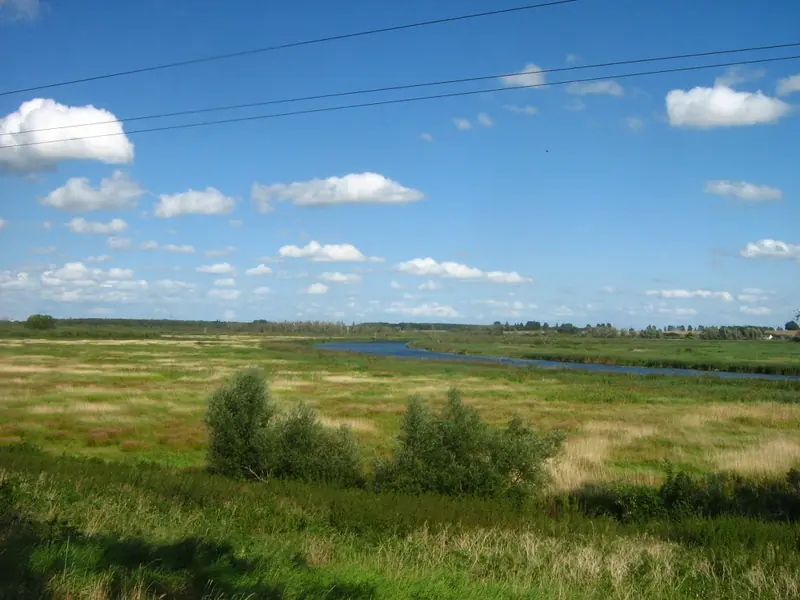
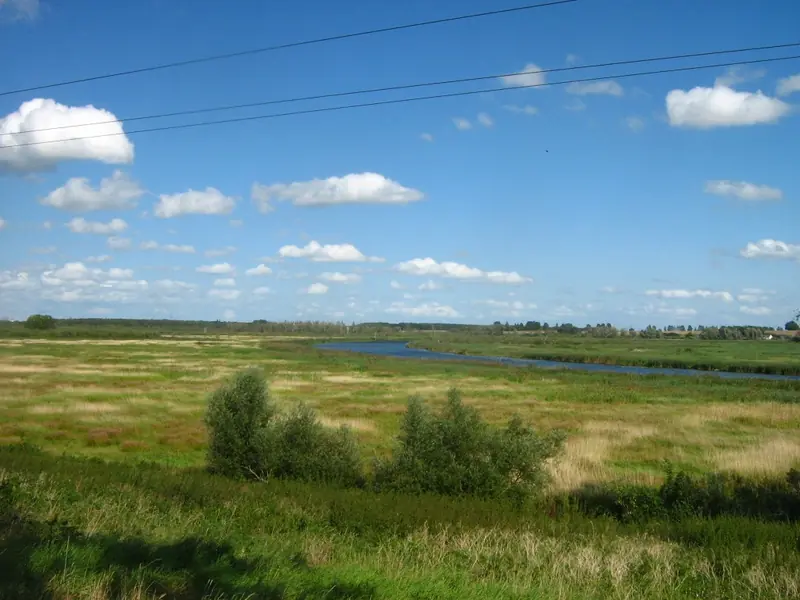
The region is characterized by its unique geographical features, shaped by both natural processes and human activities over the centuries. The Peene River, which flows through the reserve, has played a pivotal role in shaping the landscape and has been crucial for the area’s biodiversity. The river and its surrounding wetlands provide essential habitats for a variety of species, including numerous bird populations that migrate through or reside in the area.
Culturally, the reserve is significant as it contributes to the local identity, offering a space for recreation and education. It serves as a reminder of the importance of environmental stewardship and the need to balance human activities with the preservation of natural spaces. The nature reserve is also a focal point for ecological research, allowing scientists and conservationists to study the interactions between species and their environments, fostering a deeper understanding of ecological dynamics.
Architecture and Features
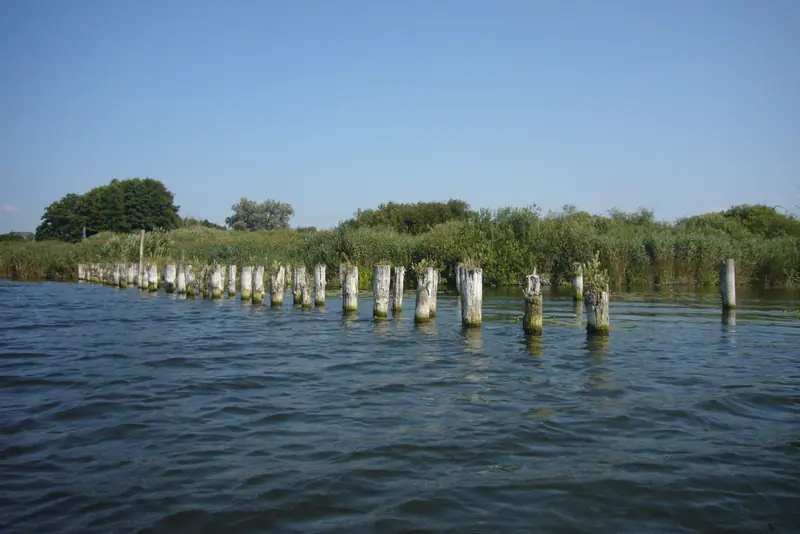
While Peenetal von Salem bis Jarmen is primarily a natural site, it features several important ecological elements that contribute to its charm and importance. The reserve encompasses various habitats, including wetlands, forests, and open meadows, each supporting a range of wildlife and plant species. The diversity of these ecosystems is one of the highlights of the reserve.
The wetlands, in particular, are a defining feature, acting as a critical habitat for migratory birds and aquatic life. These areas are often alive with the sounds of birdsong, especially during migration seasons, making them a prime spot for birdwatching. The forests that border the wetlands provide additional habitats for woodland creatures and are characterized by a mixture of native tree species.
Visitors can expect to find well-maintained paths that wind through these diverse landscapes, making it accessible for nature walks and exploration. Informational signage throughout the reserve helps educate guests about the local ecosystems and the species that inhabit them. Although there are no traditional architectural structures within the reserve, the natural formations and habitats serve as the primary features that draw visitors.
Visiting Information
Reaching the Peenetal von Salem bis Jarmen nature reserve is relatively straightforward, with various transportation options available. Visitors can travel by car or public transport, although specifics regarding public transportation options should be confirmed ahead of time. The reserve’s location makes it a suitable destination for day trips from nearby urban centers.
When planning a visit, it’s advisable to check the official website for current information on hours and any entrance fees, as these can fluctuate throughout the year. The diverse habitats within the reserve encourage visitors to take their time—ideally, a visit could span several hours to fully appreciate the beauty of the natural surroundings.
The best times to visit are typically during the spring and early autumn months, when wildlife is particularly active, and the weather is generally mild. However, each season offers its own unique charm, from the lush greenery of summer to the stunning colors of fall.
Visitors should prepare for a range of outdoor conditions. Comfortable walking shoes, weather-appropriate clothing, and any necessary gear for birdwatching or photography are recommended. A day spent in this nature reserve promises an enriching experience for those who appreciate the beauty of the natural world.
Nearby Attractions
While Peenetal von Salem bis Jarmen is a destination in itself, there are several nearby attractions worth exploring:
Kummerower See: A scenic lake located close to the reserve, perfect for boating, fishing, and enjoying tranquil waterside views.
Demmin: A historic town nearby that offers charming architecture and a glimpse into the region’s past, including remnants of medieval fortifications.
Greifswald: A larger city a bit further away, known for its vibrant cultural scene, historic university, and beautiful waterfront along the Ryck River.
Ueckermünde: A coastal town offering sandy beaches and access to the Stettiner Haff, ideal for a relaxing day by the water.
Nature Parks: Several other nature parks in the vicinity provide additional opportunities for outdoor activities and ecological exploration.
Insider Tips
For those looking to capture the beauty of Peenetal von Salem bis Jarmen through photography, early mornings or late afternoons often provide the best natural lighting. The soft glow of the sunrise or sunset can enhance the landscapes and create stunning photographs of the wetlands and forests.
To avoid crowds, consider visiting during weekdays or early in the morning. This allows for a more peaceful experience and increases the chances of spotting wildlife. Additionally, bringing binoculars can enhance the birdwatching experience, allowing visitors to observe species from a comfortable distance.
Practical Information
When visiting Peenetal von Salem bis Jarmen, it’s advisable to bring along essentials such as water, snacks, and sunscreen, especially during the warmer months. A good pair of walking shoes is also important, as the terrain can vary.
Seasonal considerations should be taken into account; spring and fall are generally the most pleasant times to visit due to milder weather and active wildlife. Summer can bring warmer temperatures, making hydration crucial, while winter may offer a quieter experience but can also lead to colder conditions.
Frequently Asked Questions
How long should I spend visiting?
A visit typically lasts a few hours, allowing ample time to explore the trails and appreciate the wildlife.
Is photography allowed?
Yes, photography is permitted and encouraged, especially for nature enthusiasts.
Are there guided tours?
Check the official website for information on guided tours or educational programs that may be available.
What’s the best time to visit?
Spring and early autumn are ideal for wildlife activity, though any season offers its own unique appeal.
Is it wheelchair accessible?
Check the official website for specific accessibility information regarding trails and facilities.
Can I buy tickets online?
Check the official website for details regarding ticket purchases and entrance fees.
Are there restrooms and cafes?
Facilities may vary, so it’s best to check the official website for information on available amenities.
What should I wear?
Dress in layers and wear comfortable walking shoes to adapt to changing weather conditions while exploring the reserve.
Photo Gallery