
Peasants' War Panorama Museum
Overview
The Peasants’ War Panorama Museum in Bad Frankenhausen, Germany, invites visitors to explore a dramatic period in European history through a unique artistic lens. This art museum is dedicated to the Peasants’ War of 1525, a significant uprising against feudal oppression that encapsulated the struggles of the lower classes during the Reformation era. With its striking panoramic artwork, the museum serves as both a cultural landmark and an educational resource, offering insights into the socio-political climate of the time.
Situated in the scenic region of Bad Frankenhausen, the museum not only presents a deep dive into the Peasants’ War but also highlights the rich historical context of the area. Visitors can expect to encounter a narrative woven through art that illuminates the lives and aspirations of the common people during a tumultuous period. The museum stands as a vital resource for historians, art enthusiasts, and travelers alike, promising an engaging experience that combines visual storytelling with historical significance.
History and Significance
The Peasants’ War of 1525 is often regarded as one of the largest uprisings in Germany’s history, reflecting widespread discontent among the peasantry against the oppressive feudal system. The war was sparked by a confluence of factors, including economic hardship, religious reform, and the desire for social justice. The aftermath of the Peasants’ War was profound, altering the landscape of German society and influencing subsequent generations’ understanding of class struggles.
The museum’s focus on this pivotal event allows visitors to grasp the socio-economic factors that fueled the uprising. The exhibits showcase the narratives of the common people who took up arms in pursuit of rights and freedom, revealing the complexities of their motivations. The museum’s educational programs and resources aim to foster a deeper understanding of the implications of the Peasants’ War, both in its historical context and its lasting impact on modern society.
In addition to its historical significance, the Peasants’ War Panorama Museum serves as a cultural hub for contemporary discourse on social justice and equality. By engaging with the past, visitors may find parallels to current social movements, emphasizing the timeless nature of struggles for rights and representation. This dual focus on history and its relevance today enriches the visitor experience, making the museum a vital part of the cultural landscape in Germany.
Architecture and Features
The Peasants’ War Panorama Museum is housed in a building that reflects both modern design and historical elements. While specific architectural details are not provided, the museum is designed to facilitate the display of its extensive collection, particularly the panoramic artwork that serves as a centerpiece. This artwork captures the dramatic scenes of the Peasants’ War, immersing viewers in the emotional and physical turmoil of the era.
The museum’s layout is thoughtfully arranged to guide visitors through the narrative of the Peasants’ War. The use of light, space, and strategic placement of exhibits enhances the viewing experience, allowing for an intimate connection with the artwork. Interactive displays may also be present, encouraging visitor engagement and exploration of the themes presented.
The panoramic painting itself is a remarkable feature, crafted to evoke a sense of scale and emotion that smaller artworks may not convey. This large-scale representation serves as a powerful reminder of the collective struggle of the peasants and their quest for justice.
Visiting Information
Visiting the Peasants’ War Panorama Museum is a worthwhile experience for anyone interested in history and art. To get to Bad Frankenhausen, various transport options are available, including local trains and buses from nearby cities. The museum’s location makes it accessible for both day-trippers and those exploring the broader region.
Check the official website for current information regarding opening hours and ticket prices, as these can vary seasonally. Visitors typically spend around 1.5 to 2 hours exploring the museum, allowing ample time to appreciate the exhibits and engage with the educational materials on offer.
For an optimal experience, consider visiting during weekdays, when the museum is generally less crowded. Special events and exhibitions may also be scheduled throughout the year, so checking the museum’s calendar in advance can enhance your visit.
Nearby Attractions
While visiting the Peasants’ War Panorama Museum, there are several other attractions in Bad Frankenhausen and the surrounding area that may pique your interest:
- Kyffhäuser Monument - A monumental structure commemorating Emperor Wilhelm I, located in the nearby Kyffhäuser mountain range.
- Bad Frankenhausen Church - Renowned for its historical significance and stunning architecture, this church offers a glimpse into the local religious heritage.
- Museum of Local History - This museum provides insights into the local culture, traditions, and historical development of Bad Frankenhausen.
- The Historical Town Center - Strolling through the charming streets allows visitors to appreciate the town’s architecture and local shops.
- Sculpture Park - Located nearby, this park features contemporary sculptures set against a natural backdrop, perfect for leisurely walks and reflection.
Insider Tips
When planning your visit to the Peasants’ War Panorama Museum, consider bringing a camera, as photography may be allowed in certain areas, but it’s best to check specific guidelines upon arrival. To avoid crowds, visiting during the early hours or on weekdays is advisable, as weekends can attract more visitors.
Engaging with the museum staff can provide valuable insights and enhance your understanding of the exhibits. They often have interesting anecdotes and can recommend particular pieces or areas of the museum that are not to be missed.
Practical Information
When visiting the Peasants’ War Panorama Museum, it’s advisable to wear comfortable shoes, as you may spend a good amount of time walking through the exhibits. Seasonal considerations should also be taken into account; if visiting in colder months, dress warmly, as some areas may be less heated.
Bringing a notebook or sketchpad is encouraged for those who wish to jot down thoughts or create artwork inspired by the exhibits. Additionally, checking the official website for any updates on special events or temporary exhibits can greatly enhance your experience.
Frequently Asked Questions
How long should I spend visiting?
Most visitors typically spend around 1.5 to 2 hours at the museum to fully appreciate the exhibits.
Is photography allowed?
Photography policies may vary, so it is best to check for specific guidelines upon your arrival.
Are there guided tours?
Check the official website for information on guided tours, as they may be available at certain times.
What’s the best time to visit?
Weekdays and early morning hours are generally less crowded, making for a more enjoyable experience.
Is it wheelchair accessible?
Check the official website for information regarding accessibility options within the museum.
Can I buy tickets online?
It’s advisable to verify the official website for ticket purchasing options and availability.
Are there restrooms and cafes?
The museum typically provides restroom facilities; however, dining options may vary, so check the official website for details.
What should I wear?
Comfortable clothing and shoes are recommended, particularly if you plan to spend a significant amount of time exploring the exhibits. Seasonal attire is also advisable.
The Peasants’ War Panorama Museum is not just an art museum; it is a compelling invitation to reflect on the past and its implications for the present.
More in Lower Saxony

2000 Jahre Christentum
📍 Lower Saxony, Germany
The “2000 Jahre Christentum,” a prominent statue located in Brunswick, Germany, serves as a significant cultural landmark that reflects the rich …
A. Heucke
📍 Lower Saxony, Germany
A. Heucke, located in the historic town of Gatersleben in Germany’s Seeland region, represents a significant chapter in the story of industrial …

Aalto Theatre
📍 Lower Saxony, Germany
The Aalto Theatre in Essen, Germany, is a prominent cultural landmark that attracts both local and international visitors. Renowned for its …

Aasee
📍 Lower Saxony, Germany
Aasee is a picturesque lake located in the town of Ibbenbüren, Germany, serving as a popular destination for both locals and visitors alike. This …
Abgunst Mine
📍 Lower Saxony, Germany
Abgunst Mine, located in the industrial heart of Essen, Germany, is a significant heritage site that represents the country’s rich mining history. As …

Accumer Mühle
📍 Lower Saxony, Germany
Accumer Mühle is a captivating windmill located in Schortens, Germany, that showcases the remarkable engineering of traditional European mills. This …
More Art Museums

Aachen Cathedral Treasury
📍 North Rhine-Westphalia, Germany
Aachen Cathedral Treasury, located in the historic city of Aachen, Germany, is a remarkable art museum that houses an impressive collection of …

Abteiberg Museum
📍 North Rhine-Westphalia, Germany
In the heart of Mönchengladbach, Germany, the Abteiberg Museum stands out as a prominent destination for art enthusiasts and cultural explorers alike. …

Akademisches Kunstmuseum
📍 North Rhine-Westphalia, Germany
In the heart of Bonn, Germany, lies the Akademisches Kunstmuseum, an art museum that invites visitors to explore a diverse collection of artworks …

Albertinum
📍 Saxony, Germany
Albertinum is a prominent art museum located in the heart of Dresden, Germany, serving as a significant cultural institution in the region. …

Albrecht Dürer's House
📍 Bavaria, Germany
Albrecht Dürer’s House stands as a significant cultural landmark in Nuremberg, Germany, celebrating the life and work of one of the Renaissance’s most …
Alte Nationalgalerie
📍 Berlin, Germany
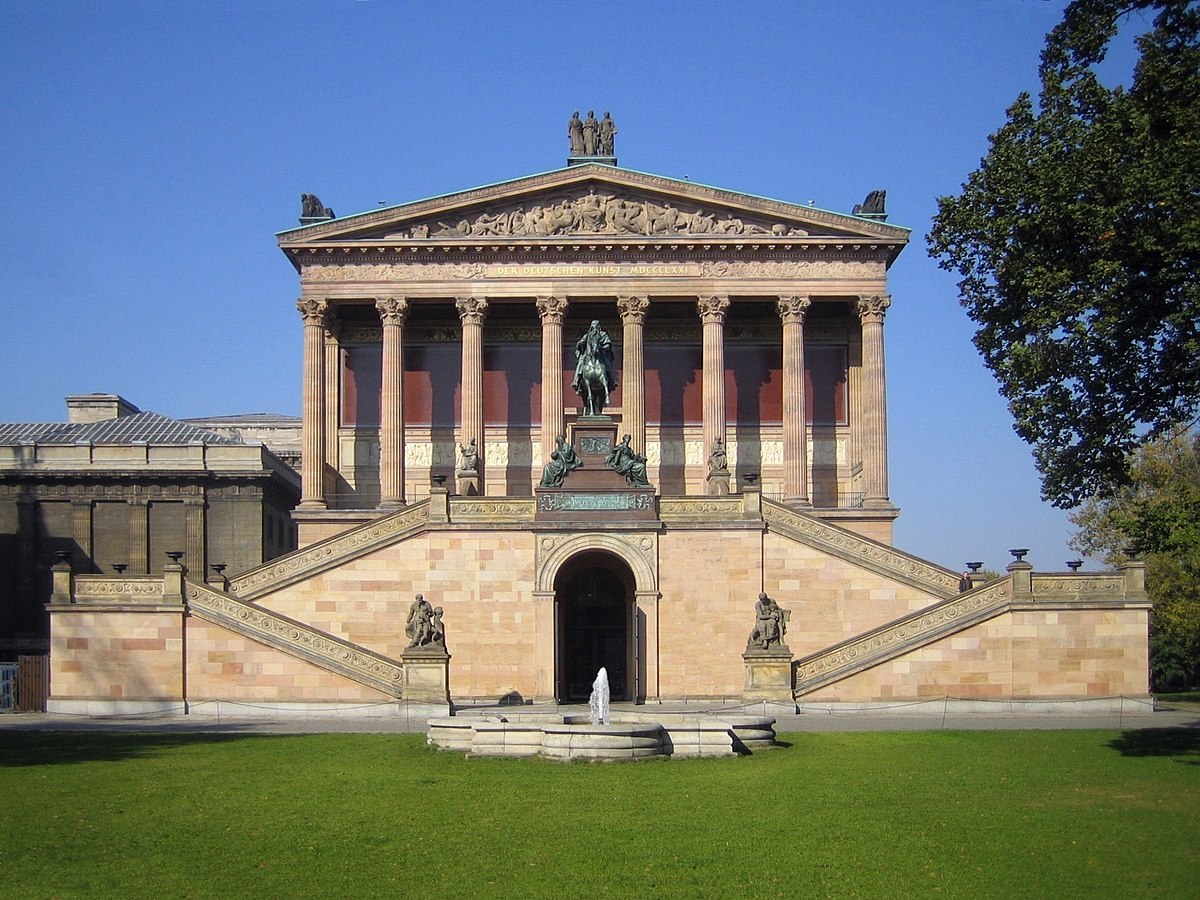
The Alte Nationalgalerie, an esteemed art museum located in Berlin’s Bezirk Mitte, is a cornerstone of cultural appreciation in Germany. This museum …