
Paula Modersohn-Becker Museum
Overview
The Paula Modersohn-Becker Museum, located in Bremen, Germany, is a unique institution dedicated to the life and work of the pioneering artist Paula Modersohn-Becker. Renowned for her contributions to Expressionism and her role as one of the first female artists to gain recognition in the early 20th century, Modersohn-Becker’s legacy is celebrated within the museum’s walls. The collection showcases her groundbreaking approach to portraiture and landscapes, marked by a distinctive use of color and form that challenges traditional artistic norms.
The museum not only highlights her works but also places them within the broader context of the artistic movements of her time, providing a comprehensive view of her influence and significance. As you explore the galleries, you will find a carefully curated selection of her paintings, alongside works by her contemporaries, allowing for a fascinating dialogue between past and present.
Situated in the Mitte district, the Paula Modersohn-Becker Museum invites visitors to immerse themselves in both the art and the vibrant culture of Bremen. With its commitment to preserving and promoting Modersohn-Becker’s oeuvre, the museum stands as an important cultural landmark, offering insights into the evolution of modern art and the role of women within it.
History and Significance
The Paula Modersohn-Becker Museum was established to honor the legacy of one of the most influential figures in modern art. Paula Modersohn-Becker was an early member of the artists’ colony in Worpswede, a small village near Bremen that became a hub for artists in the late 19th and early 20th centuries. Her work is characterized by an emotional depth and an innovative approach to composition, which set her apart from her male contemporaries.
Modersohn-Becker’s focus on female subjects and her exploration of identity and motherhood broke new ground in an era dominated by male perspectives in the art world. Her use of color and form was revolutionary, contributing to her recognition as a precursor to Expressionism. The museum’s collection emphasizes not only her artistic achievements but also her personal story, filled with passion and challenges as she navigated the art world of her time.
The museum serves as a vital educational resource, highlighting the importance of female artists throughout history. It provides a platform for discussions on gender, creativity, and the evolution of artistic movements. Through exhibitions and programs, the museum fosters a deeper understanding of Modersohn-Becker’s work and its relevance today, making it a significant cultural institution in Bremen.
Architecture and Features
The Paula Modersohn-Becker Museum features a contemporary architectural design that complements its mission to showcase modern art. The structure is both inviting and functional, designed to create an optimal environment for viewing and appreciating art. The galleries are thoughtfully arranged to facilitate a seamless flow from one exhibit to another, allowing visitors to engage deeply with the artworks.
Notable features of the museum include ample natural light that enhances the colors of the paintings, creating a dynamic viewing experience. The layout encourages contemplation, with spaces designed for quiet reflection alongside more vibrant, interactive areas. The museum may also include areas for temporary exhibitions, workshops, and educational programs, reinforcing its role as a community hub for art and culture.
In addition to the art on display, the museum’s design integrates elements that pay homage to Modersohn-Becker’s life and work, making it not just a space for art, but also a place for storytelling and inspiration.
Visiting Information
Visiting the Paula Modersohn-Becker Museum is an enriching experience for art lovers and cultural enthusiasts alike. Located in the Mitte district of Bremen, the museum is easily accessible via public transport. Visitors can reach the museum by tram or bus, with various stops nearby that connect to the city’s extensive transportation network.
Check the official website for current information on opening hours and ticket prices. Typically, a visit may take around 1.5 to 2 hours, allowing ample time to explore the permanent collection and any special exhibitions. For those wishing to avoid crowds, consider visiting during weekdays or in the early morning hours.
The museum often hosts educational programs, lectures, and guided tours, providing opportunities for deeper engagement with the artworks. Be sure to check the schedule for any special events that might coincide with your visit.
Nearby Attractions
While the Paula Modersohn-Becker Museum is a highlight of Bremen’s cultural scene, several nearby attractions further enrich the experience:
Bremen Cathedral: A stunning example of Gothic architecture, this historic cathedral features impressive twin towers and intricate stained glass windows.
Schnoor Quarter: A charming area known for its narrow streets lined with quaint shops, cafes, and historical buildings, perfect for a leisurely stroll.
Marktplatz: Bremen’s central square is a UNESCO World Heritage site, featuring the iconic Town Hall and Roland statue, symbols of the city’s independence and trading history.
Übersee-Museum: This museum offers an interesting collection of artifacts and exhibitions related to natural history, culture, and trade from around the world.
Böttcherstraße: A unique street showcasing early 20th-century architecture, home to galleries, cafes, and the renowned Paula Modersohn-Becker Museum.
Insider Tips
To make the most of your visit to the Paula Modersohn-Becker Museum, consider the following insider tips:
Photography: Be aware of the museum’s policy on photography. While some areas may allow photos, others may restrict it to preserve the artworks.
Crowd Avoidance: For a quieter experience, try visiting during off-peak hours, such as mid-morning on weekdays.
Engage with Staff: The museum staff are knowledgeable and can provide insights into the exhibits and Modersohn-Becker’s work. Don’t hesitate to ask questions!
Practical Information
When planning your visit to the Paula Modersohn-Becker Museum, consider bringing a few essentials:
Comfortable Shoes: You’ll likely spend a good amount of time walking through the galleries and nearby attractions.
Notebook or Sketchbook: If you’re inspired by the art, you might want to jot down thoughts or sketch your favorite pieces.
Seasonal Considerations: Check the weather forecast before your visit, as Bremen can experience varying conditions throughout the year. Dress appropriately for the season.
Frequently Asked Questions
How long should I spend visiting?
A visit typically takes about 1.5 to 2 hours, depending on your level of interest in the exhibits and any special programs.
Is photography allowed?
Photography policies may vary, so check with museum staff upon arrival for specific guidelines.
Are there guided tours?
The museum often provides guided tours, which can enhance your understanding of the exhibits. Check the official website for availability and scheduling.
What’s the best time to visit?
Weekdays, particularly in the morning, are generally less crowded, making for a more enjoyable experience.
Is it wheelchair accessible?
The museum is designed to be accessible to all visitors. Wheelchair access should be confirmed on the official website for specific details.
Can I buy tickets online?
Check the official website for information regarding online ticket purchases, which may offer convenience and save time.
Are there restrooms and cafes?
Facilities typically include restrooms for visitor convenience, and there may be a café or designated area for refreshments.
What should I wear?
Dress comfortably, considering the weather and the amount of walking you may do during your visit. Casual attire is generally suitable.
Explore the Paula Modersohn-Becker Museum for a meaningful encounter with art, culture, and the legacy of a remarkable artist.
More in Bremen

Achterdiekpark
📍 Bremen, Germany
Achterdiekpark, located in the peaceful district of Oberneuland, Germany, is a sanctuary for nature lovers and a welcome retreat from urban life. This …

Ahlen-Falkenberger Moor, Halemer/Dahlemer See
📍 Bremen, Germany
Ahlen-Falkenberger Moor, located in the Steinau region of Lower Saxony, Germany, is a remarkable nature reserve that showcases the region’s unique …

Ahlershorst
📍 Bremen, Germany
Ahlershorst is a captivating nature reserve located in Lower Saxony, Germany, specifically within the Geestland region. This expansive area serves as …

Alfred Wegener Institute for Polar and Marine Research
📍 Bremen, Germany
The Alfred Wegener Institute for Polar and Marine Research, located in Bremerhaven, Germany, stands as a cornerstone of scientific inquiry into the …

Alt-Leher Schule
📍 Bremen, Germany
In the heart of Bremerhaven, Germany, lies the Alt-Leher Schule, an architectural ensemble that encapsulates the history of educational architecture …

Am Stadtwaldsee (Uni-Wildnis)
📍 Bremen, Germany
Am Stadtwaldsee, known locally as Uni-Wildnis, is a captivating nature reserve located in Bremen, Germany. This serene expanse of land serves as a …
More Art Museums

Aachen Cathedral Treasury
📍 North Rhine-Westphalia, Germany
Aachen Cathedral Treasury, located in the historic city of Aachen, Germany, is a remarkable art museum that houses an impressive collection of …

Abteiberg Museum
📍 North Rhine-Westphalia, Germany
In the heart of Mönchengladbach, Germany, the Abteiberg Museum stands out as a prominent destination for art enthusiasts and cultural explorers alike. …

Akademisches Kunstmuseum
📍 North Rhine-Westphalia, Germany
In the heart of Bonn, Germany, lies the Akademisches Kunstmuseum, an art museum that invites visitors to explore a diverse collection of artworks …

Albertinum
📍 Saxony, Germany
Albertinum is a prominent art museum located in the heart of Dresden, Germany, serving as a significant cultural institution in the region. …

Albrecht Dürer's House
📍 Bavaria, Germany
Albrecht Dürer’s House stands as a significant cultural landmark in Nuremberg, Germany, celebrating the life and work of one of the Renaissance’s most …
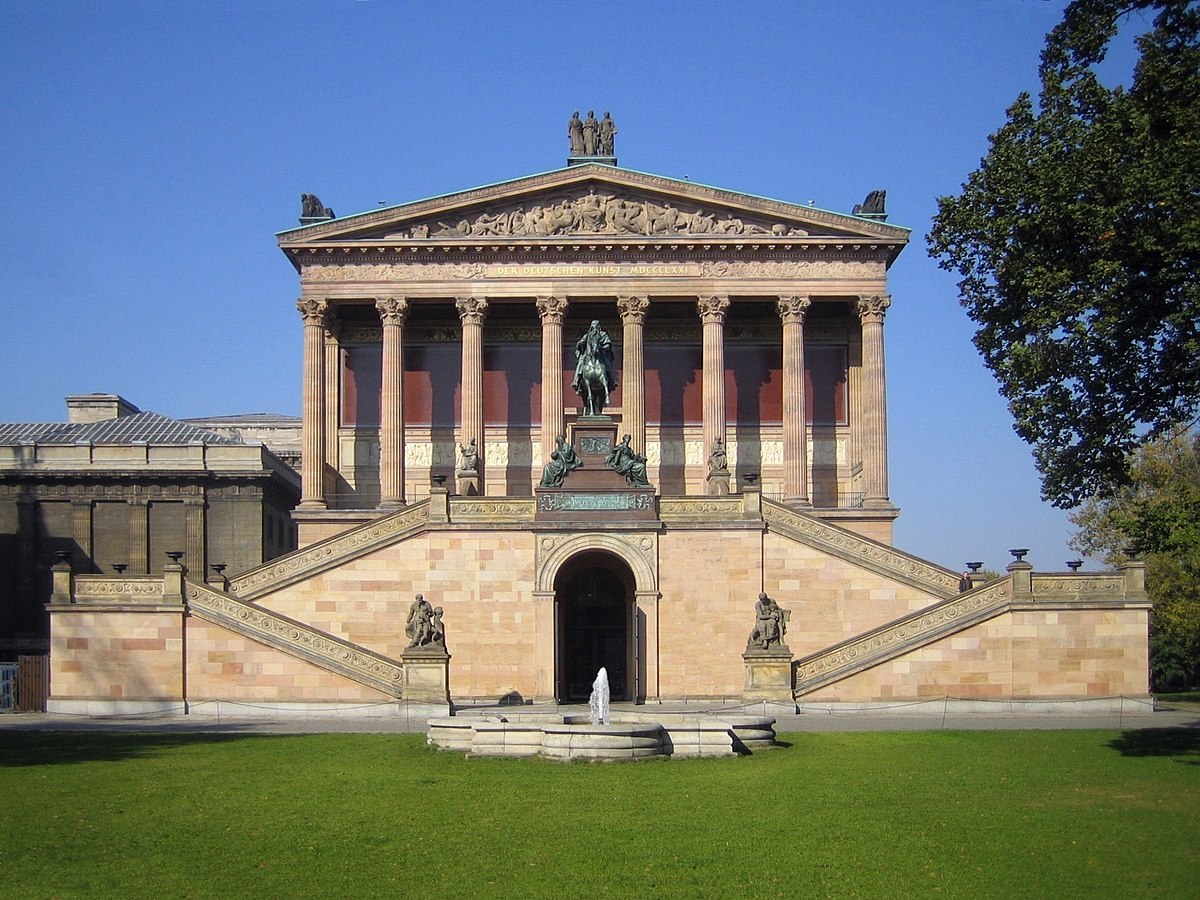
Alte Nationalgalerie
📍 Berlin, Germany
The Alte Nationalgalerie, an esteemed art museum located in Berlin’s Bezirk Mitte, is a cornerstone of cultural appreciation in Germany. This museum …