
Parchimer Landwehr
Overview
The Parchimer Landwehr is a significant historical fortification located in the Ludwigslust-Parchim District of Germany. This outer ring of late medieval border security was constructed to protect the city of Parchim, an area steeped in the historical complexities of Germanic territorial disputes. As you approach this historic site, you are not only greeted by its imposing presence but also by the echoes of the past, which resonate through its well-preserved structures.
The fortification’s strategic importance cannot be understated, as it once served as a critical line of defense in the region. Its construction reflects the architectural and military techniques of the late Middle Ages, offering visitors a glimpse into the past while highlighting the significance of Parchim in the broader narrative of German history. The Landwehr is not just a physical structure; it is a reminder of the socio-political dynamics that shaped the area.
Visiting the Parchimer Landwehr promises an enriching experience, combining elements of history, architecture, and cultural heritage. Whether you are a history enthusiast or simply curious about the past, this fortification invites exploration and contemplation, making it an essential stop for anyone traveling through this region of Germany.
History and Significance
The origins of the Parchimer Landwehr can be traced back to the late Middle Ages, a period characterized by the rising need for fortified structures to protect settlements. While specific dates of construction are not documented, the fortification represents a critical response to the evolving political landscape of the time. As various powers contested regions in northern Germany, the necessity for robust defensive measures became paramount.
The Parchimer Landwehr served multiple purposes throughout its existence. Primarily, it acted as a border security measure for the city of Parchim, which was strategically located along various trade routes. This placement not only made it a vital hub for commerce but also a target for potential invasions. The fortification’s design reflects the military architecture of its time, which was focused on deterrence and defense.
The cultural significance of the Parchimer Landwehr extends beyond its military function. It stands as a physical representation of the community’s resilience against external threats. Over the centuries, the fortification has witnessed numerous historical events and changes in governance, from feudal conflicts to the emergence of modern nation-states.
In contemporary times, the site is recognized as an important cultural heritage monument, contributing to our understanding of medieval fortifications in Germany. The preservation of the Landwehr allows for continued study and appreciation of the military strategies and architectural techniques employed during its construction. It serves as a point of interest for historians and visitors alike, offering insights into the complex historical narratives that have shaped this part of the world.
Architecture and Features
The Parchimer Landwehr is characterized by its robust architectural elements that exemplify late medieval military design. Constructed primarily for defensive purposes, the fortification features a series of walls, ditches, and earthen ramparts that are indicative of the period’s military architecture.
The outer walls of the Landwehr are particularly notable for their thickness and height, designed to withstand assaults and provide a formidable barrier against potential invaders. The use of local materials in construction is evident, which not only reflects the practicalities of building in the region but also integrates the fortification into the surrounding landscape.
While specific architectural details are not extensively documented, the fortification likely includes features such as gatehouses and lookout points, which would have been critical for surveillance and defense. These elements allowed for greater visibility of the surrounding area, enabling defenders to anticipate and respond to threats more effectively.
The landscape around the Parchimer Landwehr is likely to contribute to the site’s historical ambiance, as the remnants of the fortification interact with the natural environment. Visitors can appreciate the craftsmanship and strategic thinking that went into its construction, as well as the ways in which it has been preserved over time.
Visiting Information
Visiting the Parchimer Landwehr offers an opportunity to engage with history in a tangible way. To reach the site, travelers can use various modes of transport, including personal vehicles and public transport options available in the Ludwigslust-Parchim District. The fortification’s coordinates are 53.45959, 11.90498, which can assist in navigation.
While specific hours of operation and admission prices are not provided, it is advisable to check the official website for current information before planning your visit. This will ensure that you are aware of any seasonal variations in accessibility or potential events occurring at the site.
When planning your visit, allow sufficient time to explore the fortification and its surroundings. A visit of a couple of hours may be ideal for those wishing to take in the architecture and historical context. The best times to visit are generally during the spring and early autumn months when the weather is mild, making for a comfortable exploration experience.
Expect to encounter informative signage and interpretive displays that enhance your understanding of the fortification’s history. Visitors can walk along the remnants of the walls, appreciating their scale and construction while imagining the historical significance of this once-mighty structure.
Nearby Attractions
The area surrounding Parchimer Landwehr offers several attractions that complement your visit to the fortification:
Parchim City Center: A short distance from the fortification, the city center features charming architecture and local shops, perfect for a leisurely stroll.
St. Mary’s Church (Marienkirche): This impressive Gothic church, located nearby, showcases stunning stained glass and intricate stonework, providing insight into the region’s religious heritage.
Museum of the Parchim Region: Offering exhibits on local history, culture, and artifacts, this museum is a valuable stop for those wanting to delve deeper into the area’s past.
Krummesee Lake: A tranquil spot for relaxation and nature walks, Krummesee provides an opportunity to enjoy the natural beauty of the region.
Schwerin Castle: A short drive away, this fairy-tale castle is one of the most significant landmarks in Mecklenburg-Vorpommern, offering a striking example of Romantic architecture and beautiful gardens.
Insider Tips
For the best photography opportunities, consider visiting the Parchimer Landwehr during the golden hours of early morning or late afternoon when the sunlight casts a warm glow on the fortification. This natural lighting can enhance your photos, capturing the textures of the stone walls beautifully.
To avoid crowds, try to visit on weekdays or during the shoulder seasons of spring and fall. This can provide a more peaceful experience, allowing you to fully appreciate the site’s historical significance.
Practical Information
When visiting the Parchimer Landwehr, it’s advisable to wear comfortable shoes, as the terrain may vary. Additionally, consider bringing a camera to capture the fortification’s impressive features.
Seasonal considerations include checking the weather forecast before your visit, as conditions may affect your experience. In colder months, ensure you dress warmly, while spring and summer visits may require sun protection.
Frequently Asked Questions
How long should I spend visiting?
A visit of approximately two hours is recommended to fully appreciate the fortification and its surroundings.
Is photography allowed?
Yes, photography is generally allowed at the Parchimer Landwehr, making it a great opportunity to capture the historic architecture.
Are there guided tours?
While specific information about guided tours is not provided, check the official website for any available options during your visit.
What’s the best time to visit?
The best times to visit are during spring and early autumn when the weather is most pleasant.
Is it wheelchair accessible?
Accessibility details are not specified; it is advisable to check the official website for information on wheelchair access.
Can I buy tickets online?
Ticket purchasing options are not specified; check the official website for current information regarding tickets.
Are there restrooms and cafes?
Information regarding restrooms and cafes is not provided; it is advisable to check the official website or nearby facilities.
What should I wear?
Wear comfortable clothing and shoes suitable for walking, keeping in mind seasonal weather conditions.
More in Brandenburg
Agnetenkloster
📍 Brandenburg, Germany
Agnetenkloster, a former monastery located in the heart of Magdeburg, Germany, invites visitors to explore its serene ambiance and historical …

Agroneum
📍 Brandenburg, Germany
Agroneum is a museum located in the serene landscape of Alt Schwerin, Germany. This establishment serves as a vibrant hub for those interested in the …

Alexander Nevsky Memorial Church
📍 Brandenburg, Germany
The Alexander Nevsky Memorial Church in Potsdam, Germany, offers visitors a unique glimpse into the city’s cultural and religious heritage. This …
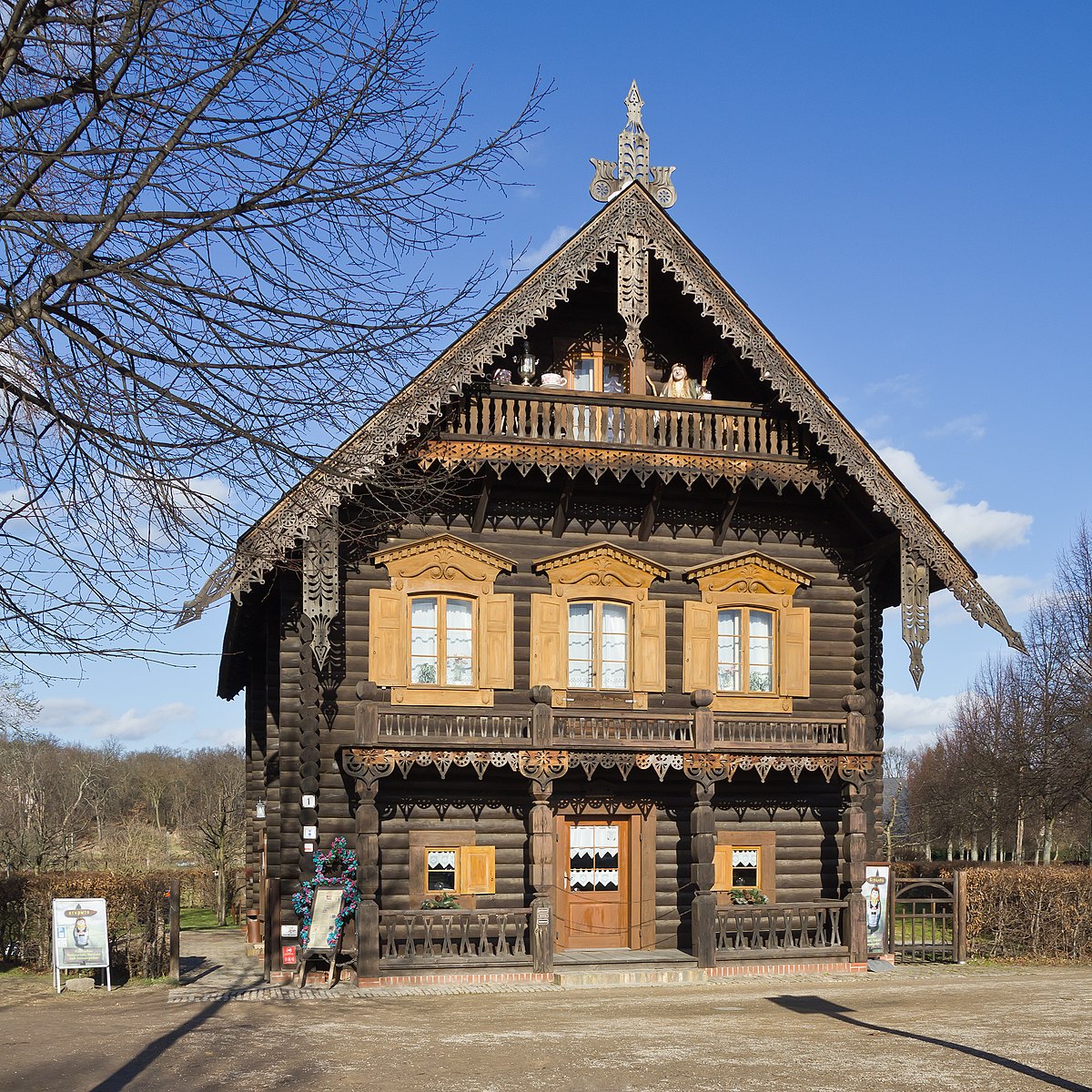
Alexandrowka
📍 Brandenburg, Germany
Located in the picturesque city of Potsdam, Germany, Alexandrowka is an intriguing architectural ensemble that reflects a unique blend of Russian and …

Alte Burg Penzlin
📍 Brandenburg, Germany
Alte Burg Penzlin, a captivating castle located in the quaint town of Penzlin, Germany, serves as a remarkable example of medieval architecture and …

Alte Dorfkirche Röxe
📍 Brandenburg, Germany
The Alte Dorfkirche Röxe stands as a poignant symbol of architectural and cultural history in the Stendal region of Germany. This church building, …
More Fortifications
Abschnittsbefestigung in Lauf an der Pegnitz
📍 Bavaria, Germany
The Abschnittsbefestigung in Lauf an der Pegnitz represents an important chapter in the historical narrative of Bavaria, Germany. This fortification, …
Abschnittsbefestigung in Neunkirchen am Sand
📍 Bavaria, Germany
The Abschnittsbefestigung in Neunkirchen am Sand is an intriguing cultural heritage monument located in the Landkreis Nürnberger Land of Bavaria, …

Abschnittsbefestigung in Pommelsbrunn
📍 Bavaria, Germany
The Abschnittsbefestigung in Pommelsbrunn is an intriguing cultural heritage monument located in the picturesque Landkreis Nürnberger Land of Bavaria, …

Abschnittsbefestigung in Simmelsdorf
📍 Bavaria, Germany
The Abschnittsbefestigung in Simmelsdorf is a fascinating cultural heritage monument located in the heart of Bavaria, Germany. This fortification, …
Abschnittsbefestigung in Velden
📍 Bavaria, Germany
The Abschnittsbefestigung in Velden represents a significant cultural heritage monument within the Landkreis Nürnberger Land of Bavaria, Germany. This …
Abschnittsbefestigung in Vorra
📍 Bavaria, Germany
The Abschnittsbefestigung in Vorra stands as a significant cultural heritage monument in Bavaria’s Landkreis Nürnberger Land, Germany. This …