
Palaces and Parks of Potsdam and Berlin
Overview
The Palaces and Parks of Potsdam and Berlin represent a unique cultural landscape that captures the essence of royal ambition and artistic endeavor in Germany. This UNESCO World Heritage site, located just outside Berlin, is a harmonious ensemble of gardens, palaces, and architectural marvels that reflect the evolution of European landscape design from the 17th to the 20th centuries. Visitors to this area are greeted by meticulously crafted parks and grand structures that tell the story of Prussian kings, their European influences, and the artistic movements that shaped their creations.
With its expansive gardens and intricately designed palaces, this cultural landscape invites exploration and contemplation. The site offers a glimpse into the lives of the royals who once inhabited these majestic spaces, alongside the natural beauty that surrounds them. Rich in cultural heritage and history, the Palaces and Parks of Potsdam and Berlin are essential stops for anyone interested in architecture, history, or the arts.
History and Significance
The Palaces and Parks of Potsdam and Berlin were developed over several centuries, primarily during the reign of the Prussian kings. The area became a royal residence in the 17th century when the Great Elector, Frederick William, transformed the small town of Potsdam into a cultural hub. His successors expanded upon this vision, commissioning various palaces and parks that showcased their power and artistic tastes.
The most prominent of these is Sanssouci Palace, built in the 1740s for Frederick the Great, who wanted a retreat from the rigors of court life. The palace exemplifies the Rococo style, characterized by its ornate details and harmonious integration with the surrounding gardens. The gardens of Sanssouci are crafted in the terraced style, which enhances the landscape’s natural beauty and offers a serene environment for reflection.
As the cultural landscape grew, other notable structures were added, such as the New Palace, which served as a symbol of Prussian might and luxury, and the Roman Baths, showcasing a blend of classical elements and natural scenery. The parks themselves, including the sprawling Sanssouci Park, were designed to evoke an emotional response from visitors, demonstrating the Enlightenment ideals of beauty and nature.
In addition to their architectural significance, the Palaces and Parks of Potsdam and Berlin reflect the broader European context of the time, influenced by movements such as Romanticism and Neoclassicism. The site serves not only as a historical testament to the power of the Prussian monarchy but also as a representation of the artistic and cultural trends that shaped Europe over the centuries.
Architecture and Features
The architectural styles found within the Palaces and Parks of Potsdam and Berlin are diverse, reflecting the various tastes and influences of the rulers who commissioned them. Each structure is imbued with its unique character, yet they collectively represent the grandeur of royal ambition.
Sanssouci Palace is perhaps the most iconic of the group. Designed by architect Georg Wenzeslaus von Knobelsdorff, this summer residence incorporates elements of Rococo architecture, with its ornate façade, gilded decorations, and carefully manicured gardens. The interior rooms are equally impressive, featuring exquisite frescoes and intricate furnishings.
The New Palace, built later in the 18th century, showcases the transition to a more assertive Baroque style. Its grand scale and opulent interiors, including lavish ballrooms and the magnificent Golden Gallery, signify the wealth and power of the Prussian state.
In contrast, the gardens surrounding these palaces offer a more tranquil experience. The terraced gardens of Sanssouci are adorned with vine-covered trellises, fountains, and sculptures, inviting visitors to wander and absorb the meticulous design. The landscape architecture reflects the principles of the English landscape garden, emphasizing natural beauty and harmonious integration with the built environment.
Other notable features across the parks include the Picture Gallery, which houses a collection of paintings, and the Chinese House, a whimsical structure that embodies the fascination with the Far East that was prevalent during the 18th century. These diverse architectural elements contribute to the site’s overall charm and cultural significance.
Visiting Information
Visiting the Palaces and Parks of Potsdam and Berlin is a rewarding experience, with a range of options for exploring this expansive cultural landscape. Public transportation from Berlin is efficient, with frequent train services to Potsdam, making it easily accessible for day trips.
Check the official website for current information regarding hours and ticket prices, as these can vary throughout the year. Expect to spend a significant amount of time exploring the grounds; a full day is recommended to appreciate the palaces and their surrounding parks fully.
The best times to visit are during the spring and early autumn when the gardens are in full bloom and the weather is pleasant. However, summer months can also be enjoyable, though they may attract larger crowds.
Visitors can expect a mix of guided tours and self-exploration opportunities. The site is well-marked, and informational signage is available to enhance understanding of the historical significance and architectural details. Be prepared for a fair amount of walking, especially if you plan to traverse the extensive gardens.
Nearby Attractions
While the Palaces and Parks of Potsdam and Berlin are major highlights, the surrounding area offers additional attractions worth exploring.
Potsdam City Palace: Located in the heart of Potsdam, this reconstruction of the former royal palace features a museum and beautiful gardens.
Filmpark Babelsberg: Just a short distance away, this film studio offers insights into the world of filmmaking with attractions and tours showcasing behind-the-scenes production.
Cecilienhof Palace: This historical site is notable for hosting the Potsdam Conference in 1945. It features beautiful gardens and guided tours explaining its significance.
Glienicke Bridge: Known as the “Bridge of Spies,” this historic crossing point between East and West Berlin is steeped in Cold War history.
Babelsberg Park: A beautiful landscape park that combines natural scenery with historical buildings, perfect for a leisurely stroll or a picnic.
Insider Tips
To make the most of your visit to the Palaces and Parks of Potsdam and Berlin, consider the following tips:
Photography: The palaces and gardens provide numerous picturesque settings, particularly early in the morning or late afternoon when the light is softer. However, be mindful of any restrictions on photography within the palace interiors.
Crowd Avoidance: To experience the site with fewer visitors, aim for weekdays, especially in the shoulder seasons of spring or autumn. Early morning visits can also help you avoid peak crowds.
Practical Information
When preparing for your visit to the Palaces and Parks of Potsdam and Berlin, consider packing essentials such as comfortable walking shoes and a water bottle. The extensive grounds require a fair amount of walking, so being prepared will enhance your experience.
Seasonal considerations are also important; spring is particularly beautiful as flowers bloom, while autumn showcases vibrant foliage. Weather in Berlin can be unpredictable, so checking the forecast beforehand is advisable.
Frequently Asked Questions
How long should I spend visiting?
A full day is recommended to explore the palaces and parks thoroughly, allowing ample time for both guided tours and self-exploration.
Is photography allowed?
Photography is generally permitted in the gardens, but check for any restrictions inside the palaces.
Are there guided tours?
Yes, guided tours are available, providing detailed insights into the history and architecture of the sites.
What’s the best time to visit?
Spring and early autumn are ideal for enjoying the gardens and pleasant weather, though summer can also be enjoyable.
Is it wheelchair accessible?
Many areas of the parks are accessible, but check specific palace accessibility options on the official website.
Can I buy tickets online?
Check the official website for the availability of online ticket purchases.
Are there restrooms and cafes?
Restrooms are available on-site, and there are cafes where visitors can take a break and enjoy refreshments.
What should I wear?
Comfortable clothing and shoes are recommended, as visitors will be walking through extensive gardens and palatial grounds.
More in Brandenburg
Agnetenkloster
📍 Brandenburg, Germany
Agnetenkloster, a former monastery located in the heart of Magdeburg, Germany, invites visitors to explore its serene ambiance and historical …

Agroneum
📍 Brandenburg, Germany
Agroneum is a museum located in the serene landscape of Alt Schwerin, Germany. This establishment serves as a vibrant hub for those interested in the …

Alexander Nevsky Memorial Church
📍 Brandenburg, Germany
The Alexander Nevsky Memorial Church in Potsdam, Germany, offers visitors a unique glimpse into the city’s cultural and religious heritage. This …
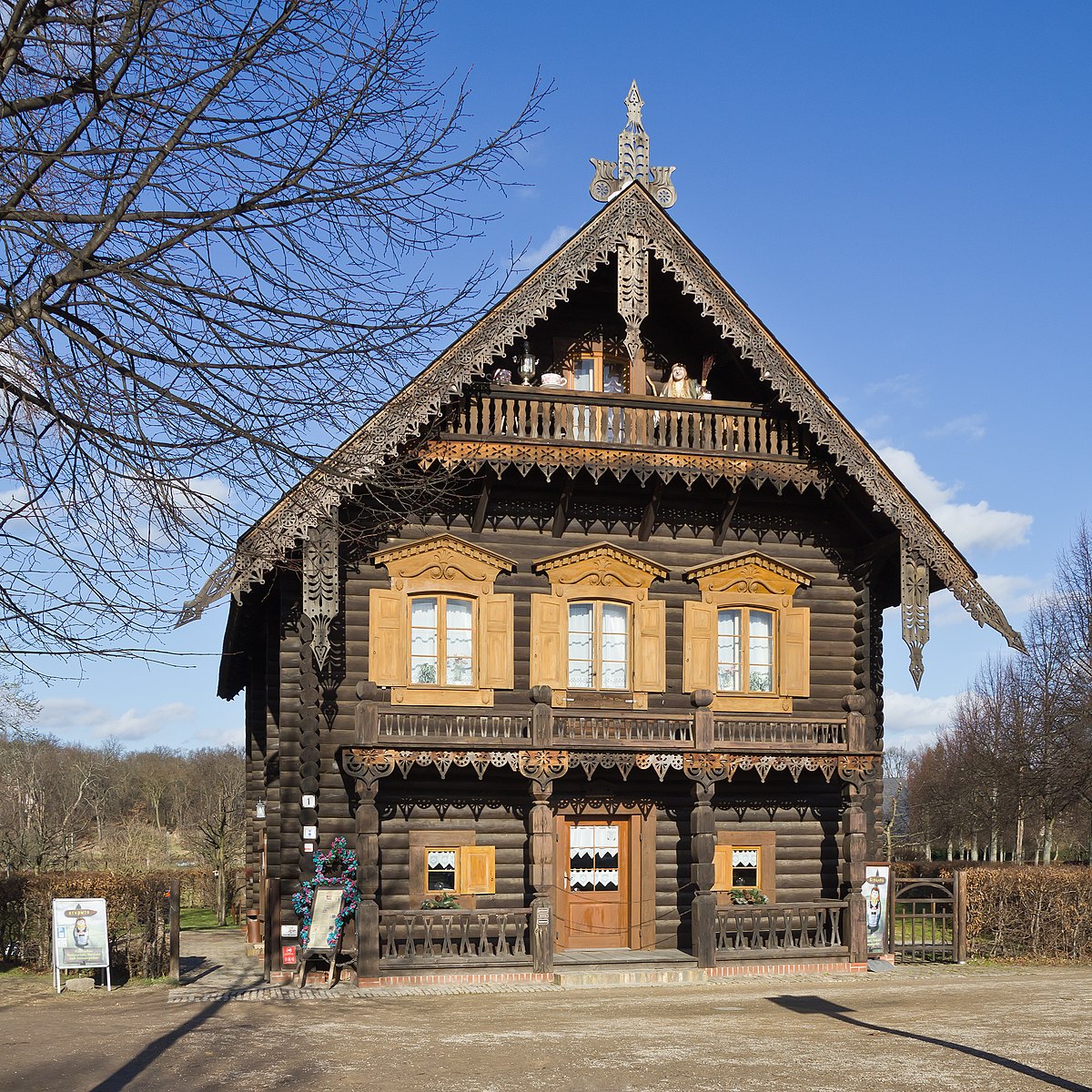
Alexandrowka
📍 Brandenburg, Germany
Located in the picturesque city of Potsdam, Germany, Alexandrowka is an intriguing architectural ensemble that reflects a unique blend of Russian and …

Alte Burg Penzlin
📍 Brandenburg, Germany
Alte Burg Penzlin, a captivating castle located in the quaint town of Penzlin, Germany, serves as a remarkable example of medieval architecture and …

Alte Dorfkirche Röxe
📍 Brandenburg, Germany
The Alte Dorfkirche Röxe stands as a poignant symbol of architectural and cultural history in the Stendal region of Germany. This church building, …
More Cultural Landscapes

Altes Land
📍 Lower Saxony, Germany
Altes Land, located in northern Germany, is a remarkable cultural landscape that reflects the unique agricultural heritage and traditional practices …

Altmark
📍 Brandenburg, Germany
The Altmark region, located in the northwestern part of Saxony-Anhalt, Germany, offers a unique glimpse into a cultural landscape shaped by centuries …
Annaberg-Frohnau Mining Landscape
📍 Bavaria, Germany
The Annaberg-Frohnau Mining Landscape, located in Germany, represents a significant chapter in the story of European industrial heritage. This …
Buchholz Mining Landscape
📍 Bavaria, Germany
The Buchholz Mining Landscape, located in Germany, is a remarkable cultural landscape that offers a glimpse into the historical significance of mining …
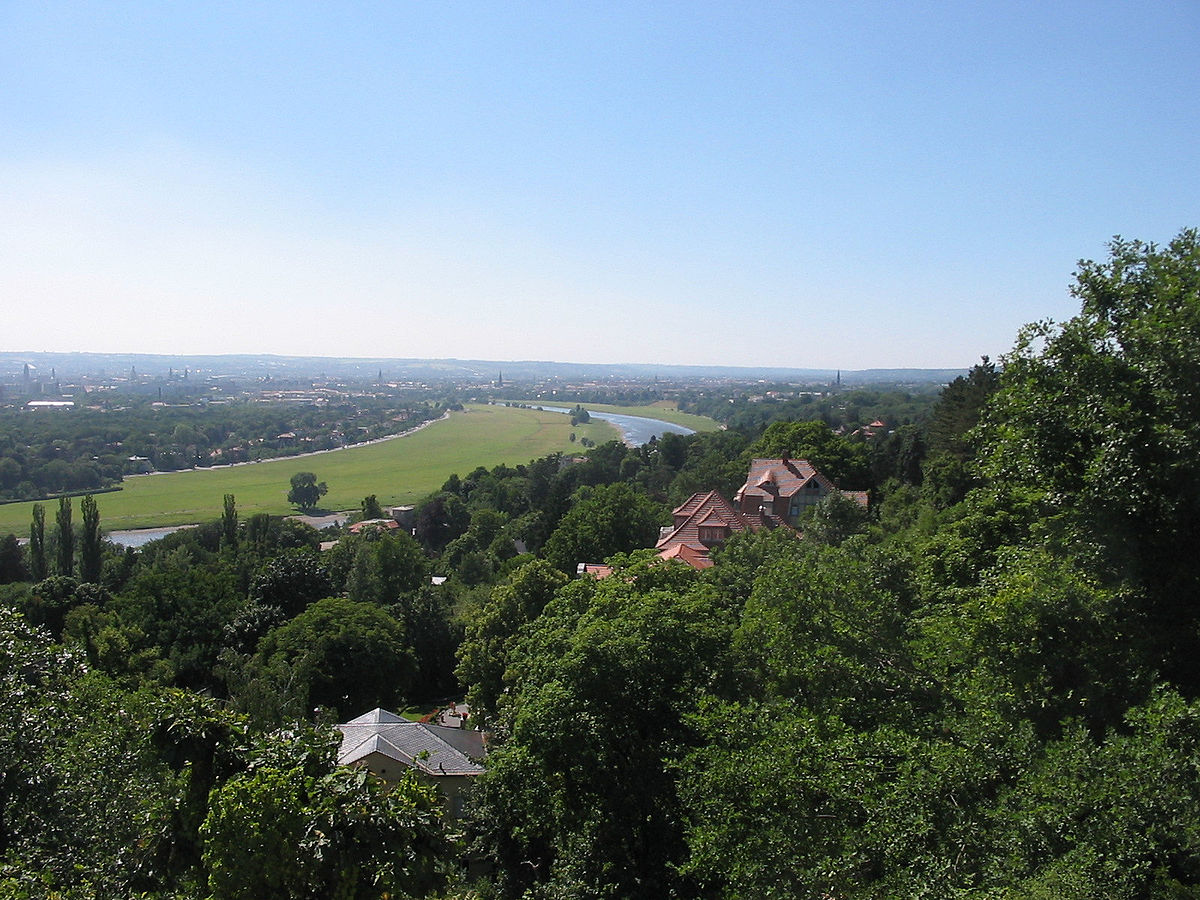
Dresden Elbe Valley
📍 Saxony, Germany
The Dresden Elbe Valley, a UNESCO World Heritage Site, is a cultural landscape that reflects the rich historical and artistic heritage of Saxony, …
Ehrenfriedersdorf Mining Landscape
📍 Saxony, Germany
The Ehrenfriedersdorf Mining Landscape, a significant cultural landscape in Germany, invites visitors to explore a rich history of mining that has …