
Pagode Oranienbaum
Overview
The Pagode Oranienbaum is a striking example of Chinoiserie architecture located in the Oranienbaum-Wörlitz region of Germany. Constructed between 1793 and 1797, this architectural marvel is situated within the picturesque English-Chinese Garden of Oranienbaum. The pagoda represents a unique blend of Eastern-inspired design and Western artistic expression, embodying the curiosity and cultural exchange prevalent during the late 18th century. With its intricate details and serene surroundings, the Pagode Oranienbaum invites visitors to explore a fascinating cultural narrative and appreciate the elegance of this historical site.
The Pagode Oranienbaum not only serves as a standout feature within the garden but also reflects the broader trends of the time, where European aristocrats sought to emulate and interpret Asian aesthetics. The harmonious integration of the pagoda within its landscaped garden provides a glimpse into the ideals of beauty and nature that inspired its creation. Visitors to this heritage site can expect an immersive experience that showcases the artistic and cultural significance of the era, making it a compelling addition to any travel itinerary in Germany.
History and Significance
The Pagode Oranienbaum was constructed during a period when the fascination with Asian culture, particularly Chinese aesthetics, was gaining momentum across Europe. This was a time marked by the Enlightenment, an era that encouraged exploration, scientific inquiry, and a thirst for knowledge about the world outside Europe. The creation of the Pagode was part of a larger movement among the European elite to incorporate exotic elements into their gardens, demonstrating their wealth and cultural sophistication.
The garden itself is a reflection of this cultural exchange, as it combines elements from both English and Chinese garden designs. The Pagode Oranienbaum serves as a focal point within this landscape, drawing visitors’ eyes and inviting exploration. Its design and placement within the garden are intentional, creating a visual dialogue between the structure and its natural surroundings. The pagoda’s presence enhances the garden’s role as a place of leisure and contemplation, where visitors can appreciate the beauty of nature while engaging with a piece of cultural history.
The significance of the Pagode Oranienbaum extends beyond its aesthetic appeal. It stands as a representation of the broader trends in European art and architecture at the time, particularly the fascination with the Orient that characterized the Chinoiserie movement. This architectural style, which sought to mimic and reinterpret Chinese design elements, reflects the complex interactions between different cultures and the ways in which they influenced one another. The Pagode and its surrounding garden are not only a testament to artistic creativity but also to the historical context of cultural exchange that shaped Europe’s understanding of the East.
Architecture and Features
The Pagode Oranienbaum is a quintessential example of Chinoiserie architecture, characterized by its distinctively ornate and whimsical design. The structure features a multi-tiered roof adorned with intricate decorative elements that echo traditional Chinese pagodas. This architectural style is marked by curvilinear forms and vibrant colors, which contribute to its unique visual appeal.
One of the most notable features of the pagoda is its elaborate woodwork, showcasing craftsmanship that reflects the artistic sensibilities of the time. The use of decorative motifs, including floral patterns and mythical creatures, enhances the storytelling aspect of the architecture, inviting visitors to engage with the rich cultural narratives embedded within the design.
The interior of the pagoda, while less frequently highlighted, is equally significant. It is designed to provide an intimate space for contemplation and reflection, aligning with the garden’s overall purpose as a space for leisure. The pagoda’s position within the English-Chinese Garden creates a harmonious relationship with its surroundings, allowing visitors to experience a seamless blend of architecture and nature.
The overall layout of the garden complements the pagoda, featuring winding paths and thoughtfully arranged plantings that guide visitors toward this architectural centerpiece. The combination of the pagoda and its garden setting creates a serene atmosphere, inviting exploration and appreciation of the natural and artistic elements at play.
Visiting Information
Visitors to the Pagode Oranienbaum can expect an enriching experience that combines cultural history with natural beauty. The site is accessible via various modes of transportation, though specific details regarding transport options can be found on the official website.
When planning a visit, it is advisable to check the official website for current information on hours of operation and entry fees. The pagoda is situated within a larger garden complex, which may offer additional attractions and amenities, enhancing the overall experience.
The recommended duration for a visit to the Pagode Oranienbaum typically ranges from one to two hours, allowing ample time to explore the pagoda itself as well as the surrounding garden. The best times to visit are during the spring and summer months when the garden is in full bloom, providing a vibrant backdrop to the architectural marvel.
As visitors stroll through the garden, they will encounter various paths and vantage points that offer different perspectives of the pagoda. Engaging with the natural landscape while appreciating the pagoda’s design creates a holistic experience that highlights the connection between architecture and nature.
Nearby Attractions
While visiting the Pagode Oranienbaum, there are several nearby attractions worth exploring:
Wörlitz Park - A UNESCO World Heritage site, this landscaped park features a variety of structures, including classical temples and pavilions, designed in harmony with nature.
Oranienbaum Palace - This historical palace is a prominent feature of the area, offering insights into the region’s aristocratic past and architectural styles.
The Garden Kingdom of Dessau-Wörlitz - A sprawling cultural landscape that includes several parks, gardens, and architectural wonders, this site showcases the artistic vision of the 18th-century landscape designers.
St. Peter and Paul Church in Wörlitz - An architectural gem that combines Baroque and Neoclassical styles, this church offers a glimpse into the religious heritage of the area.
The Wörlitz Canal - A picturesque waterway that adds to the aesthetic charm of the region, perfect for a leisurely stroll or a boat ride.
Insider Tips
For photography enthusiasts, the Pagode Oranienbaum presents numerous opportunities to capture its unique architectural details and the surrounding landscapes. Early morning or late afternoon light can create stunning contrasts and highlight the intricate features of the pagoda.
To avoid crowds, consider visiting on weekdays or during off-peak hours. This will allow for a more peaceful experience as you explore the garden and take in the beauty of the pagoda without the hustle and bustle of larger groups.
Practical Information
When visiting the Pagode Oranienbaum, it is advisable to bring comfortable walking shoes, as the garden paths may require some exploration. Depending on the season, consider dressing in layers to accommodate changing weather conditions, as outdoor environments can be unpredictable.
Be sure to check for any seasonal events or exhibitions that may enhance your visit. Always refer to the official website for the latest updates on what to expect during your trip to the Pagode Oranienbaum.
Frequently Asked Questions
How long should I spend visiting?
A visit typically takes between one to two hours, allowing time to explore both the pagoda and the surrounding garden.
Is photography allowed?
Photography is generally permitted, but be mindful of specific guidelines or restrictions that may apply.
Are there guided tours?
Check the official website for information on guided tours, which may offer deeper insights into the history and architecture of the pagoda.
What’s the best time to visit?
The best times to visit are during spring and summer when the garden is vibrant and in full bloom.
Is it wheelchair accessible?
Accessibility information should be verified on the official website for specific details regarding wheelchair access.
Can I buy tickets online?
Please check the official website to find out if online ticket purchasing is available.
Are there restrooms and cafes?
Facilities such as restrooms and cafes may be available within the garden complex, but confirmation should be sought from the official website.
What should I wear?
Dress comfortably and in layers to accommodate varying weather conditions, especially if you plan to spend time outdoors.
Location
Visit Information
Quick Facts
- Heritage Type
- Chinoiserie
- Region
- Brandenburg
- Wikidata ID
- Q124052132
More in Brandenburg
Agnetenkloster
📍 Brandenburg, Germany
Agnetenkloster, a former monastery located in the heart of Magdeburg, Germany, invites visitors to explore its serene ambiance and historical …

Agroneum
📍 Brandenburg, Germany
Agroneum is a museum located in the serene landscape of Alt Schwerin, Germany. This establishment serves as a vibrant hub for those interested in the …

Alexander Nevsky Memorial Church
📍 Brandenburg, Germany
The Alexander Nevsky Memorial Church in Potsdam, Germany, offers visitors a unique glimpse into the city’s cultural and religious heritage. This …
Alexandrowka
📍 Brandenburg, Germany
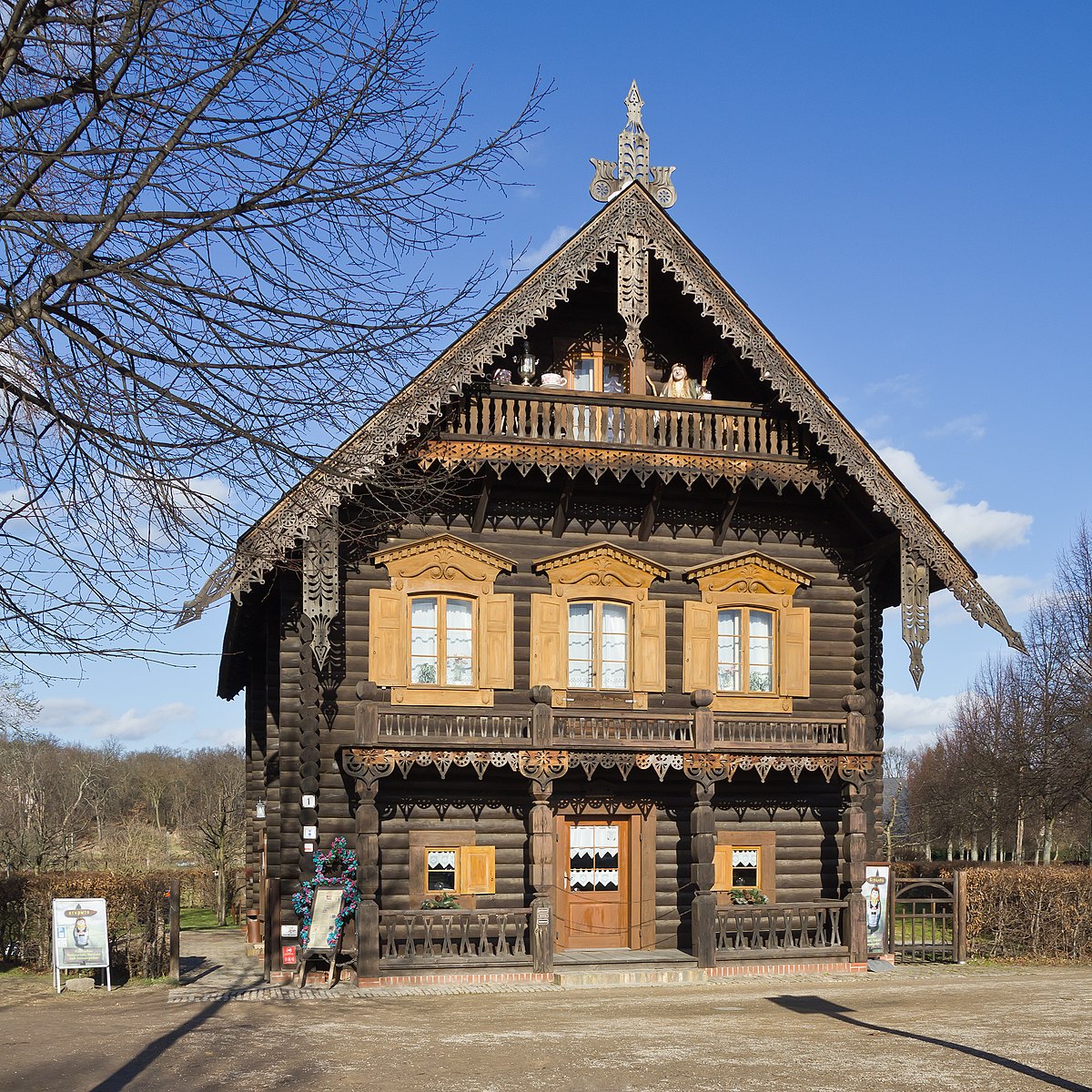
Located in the picturesque city of Potsdam, Germany, Alexandrowka is an intriguing architectural ensemble that reflects a unique blend of Russian and …

Alte Burg Penzlin
📍 Brandenburg, Germany
Alte Burg Penzlin, a captivating castle located in the quaint town of Penzlin, Germany, serves as a remarkable example of medieval architecture and …

Alte Dorfkirche Röxe
📍 Brandenburg, Germany
The Alte Dorfkirche Röxe stands as a poignant symbol of architectural and cultural history in the Stendal region of Germany. This church building, …