
Otto-Dix-Haus
Overview
Otto-Dix-Haus is a distinguished art museum located in Gera, Germany, dedicated to the life and work of the renowned German painter Otto Dix. Known for his powerful depictions of the human condition and the socio-political issues of his time, Dix’s art resonates deeply within the context of 20th-century history. The museum serves not only as a tribute to his legacy but also as a cultural hub that fosters appreciation for modern art. Visitors to the Otto-Dix-Haus will find themselves immersed in a space that celebrates creativity while reflecting on the complexities of life through art.
Situated in the heart of Gera, the museum is easily accessible and offers a unique opportunity to engage with the artworks of one of Germany’s most significant artists. The significance of Otto-Dix-Haus extends beyond its collections; it plays a vital role in the cultural landscape of the region, promoting artistic dialogue and education. Whether you are an art aficionado or a curious traveler, the museum promises an insightful experience that highlights the intersection of history and creativity.
History and Significance
Otto Dix was born in 1891 in the town of Untermhaus, which is now part of Gera. His career spanned tumultuous times in Germany, including both World Wars, and his art serves as a stark reflection of the societal upheaval he witnessed. Dix was known for his unflinching portrayals of war and its aftermath, often depicting the brutal realities faced by soldiers and civilians alike. His work challenged the romanticized notions of war, presenting instead a raw and sometimes unsettling perspective.
The establishment of the Otto-Dix-Haus was a significant cultural effort aimed at preserving his artistic legacy and making his works accessible to a broader audience. The museum not only houses a collection of his paintings but also features exhibitions that explore his influence on contemporary art and his role within the broader context of art history. This dedication to preservation and education ensures that visitors can engage with the complex narratives woven throughout Dix’s work.
Furthermore, Gera itself has a rich cultural history, which complements the museum’s mission. The city has long been a center for the arts, and the Otto-Dix-Haus contributes to this legacy by hosting various events, workshops, and exhibitions that encourage community involvement and artistic expression. The museum’s significance lies not only in its collection but in its commitment to fostering a deeper understanding of art and its impact on society.
Architecture and Features
The architecture of Otto-Dix-Haus is an integral part of the museum’s charm. Housed in a building that reflects the historical character of Gera, the museum combines modern design elements with traditional aesthetics. While specific details about the building’s architectural style are not provided, visitors can expect a thoughtful integration of spaces that enhances the viewing experience.
Inside, the museum features a variety of exhibition spaces designed to accommodate both permanent and temporary displays. The layout encourages visitors to explore the artworks at their own pace, allowing for an intimate encounter with Dix’s masterpieces. Notable features may include galleries dedicated to thematic exhibitions, spaces for educational programming, and areas for reflection and contemplation.
The interior design is geared towards creating an inviting atmosphere that allows the art to take center stage. Natural light filters through strategically placed windows, illuminating the artworks while providing a sense of connection with the outside world. This careful consideration of both architecture and design underscores the museum’s mission to celebrate art and engage visitors in meaningful ways.
Visiting Information
To visit Otto-Dix-Haus, travelers will find the museum conveniently located in Gera, easily reachable by various modes of transportation. While specific hours and ticket prices may vary, it is advisable to check the official website for current information before planning your visit. The museum typically aims to accommodate a diverse range of visitors, providing various programs and exhibitions that cater to different interests.
Expect to spend a few hours exploring the museum’s collections and exhibitions. Depending on your level of interest in art and history, you might find that a leisurely pace allows for deeper engagement with the works on display. The museum often hosts special events and temporary exhibitions, so consider checking their calendar for unique experiences during your visit.
The best times to visit are usually during weekdays when crowds are lighter, allowing for a more personal experience with the art. However, visiting during weekends can also be rewarding, especially if you enjoy the vibrant atmosphere that comes with more visitors. Regardless of when you go, Otto-Dix-Haus promises to provide a captivating experience.
Nearby Attractions
While visiting Otto-Dix-Haus, take the opportunity to explore other attractions in Gera. Here are a few nearby places of interest:
The Theater Gera: A cultural landmark in the city, this venue hosts a variety of performances, including opera, ballet, and theater productions.
Gera Zoo: A family-friendly destination featuring a diverse array of animal species, perfect for a leisurely stroll after visiting the museum.
The Botanical Garden of Gera: A serene space showcasing a wide range of plant species, ideal for those looking to enjoy nature and tranquility.
St. Salvator Church: An architectural gem that offers insight into Gera’s historical significance and provides a peaceful environment for reflection.
Gera Art Museum: Complementing the Otto-Dix-Haus, this museum features a broader collection of contemporary art, enriching your cultural experience in the area.
Insider Tips
When visiting Otto-Dix-Haus, consider bringing a camera to capture the stunning artworks; however, be sure to verify the museum’s policies regarding photography. To avoid peak crowds, plan your visit during weekday mornings when foot traffic is generally lower. This will allow you to enjoy a more intimate experience with the exhibits.
Engaging with the museum staff can also enhance your visit; they are often knowledgeable and can provide valuable insights into the artworks and exhibitions. If available, join any guided tours offered, as these can deepen your understanding of Otto Dix’s work and the museum’s mission.
Practical Information
When preparing for your visit to Otto-Dix-Haus, consider bringing a small bag for personal items, as well as a notebook or sketchpad if you wish to record your thoughts or impressions. The museum may have seasonal considerations, so dressing in layers is advisable, especially during colder months.
Ensure that you check the official website for any specific requirements or recommendations related to your visit. Whether you are an art lover or simply exploring Gera, the Otto-Dix-Haus offers a thoughtful and engaging experience.
Frequently Asked Questions
How long should I spend visiting?
Visitors typically spend a few hours exploring the museum, but your time may vary based on personal interest in art.
Is photography allowed?
Photography policies may vary, so it is best to check the museum’s guidelines upon arrival.
Are there guided tours?
The museum may offer guided tours, which can provide deeper insights into the artworks and Otto Dix’s significance.
What’s the best time to visit?
Weekday mornings tend to be less crowded, providing an opportunity for a more personal experience with the exhibits.
Is it wheelchair accessible?
Check the official website for current information regarding accessibility options within the museum.
Can I buy tickets online?
It is recommended to check the official website for information about ticket purchasing options.
Are there restrooms and cafes?
Facilities such as restrooms and cafes may be available, but confirm details on the official website before your visit.
What should I wear?
Dress comfortably and consider layering, especially if visiting during the colder months, to ensure a pleasant experience.
Otto-Dix-Haus invites visitors to engage with art that challenges perceptions and sparks conversation, making it a worthwhile stop in Gera’s vibrant cultural landscape.
More in Saxony

6. Grundschule "Am Großen Garten"
📍 Saxony, Germany
The 6. Grundschule “Am Großen Garten” stands as a significant educational institution in Dresden, Germany, embodying the principles of early childhood …

Albertinum
📍 Saxony, Germany
Albertinum is a prominent art museum located in the heart of Dresden, Germany, serving as a significant cultural institution in the region. …

All Saints Church, Dresden
📍 Saxony, Germany
All Saints Church, located in the vibrant city of Dresden, Germany, is a remarkable church building that captures the essence of the region’s …

Altarstein (Saxon Switzerland)
📍 Saxony, Germany
Altarstein, located in the picturesque region of Saxon Switzerland, Germany, is a captivating monument that draws visitors into its historical …

Alte Nikolaischule (Leipzig)
📍 Saxony, Germany
Alte Nikolaischule, located in the heart of Leipzig, Germany, is a significant educational institution with a rich heritage. Founded as a school, it …
Alte Schulbrücke Oberbobritzsch
📍 Saxony, Germany
The Alte Schulbrücke Oberbobritzsch is a striking bridge situated in the Bobritzsch-Hilbersdorf region of Germany. This structure serves not only as a …
More Art Museums

Aachen Cathedral Treasury
📍 North Rhine-Westphalia, Germany
Aachen Cathedral Treasury, located in the historic city of Aachen, Germany, is a remarkable art museum that houses an impressive collection of …

Abteiberg Museum
📍 North Rhine-Westphalia, Germany
In the heart of Mönchengladbach, Germany, the Abteiberg Museum stands out as a prominent destination for art enthusiasts and cultural explorers alike. …

Akademisches Kunstmuseum
📍 North Rhine-Westphalia, Germany
In the heart of Bonn, Germany, lies the Akademisches Kunstmuseum, an art museum that invites visitors to explore a diverse collection of artworks …
Albertinum
📍 Saxony, Germany
Albertinum is a prominent art museum located in the heart of Dresden, Germany, serving as a significant cultural institution in the region. …

Albrecht Dürer's House
📍 Bavaria, Germany
Albrecht Dürer’s House stands as a significant cultural landmark in Nuremberg, Germany, celebrating the life and work of one of the Renaissance’s most …
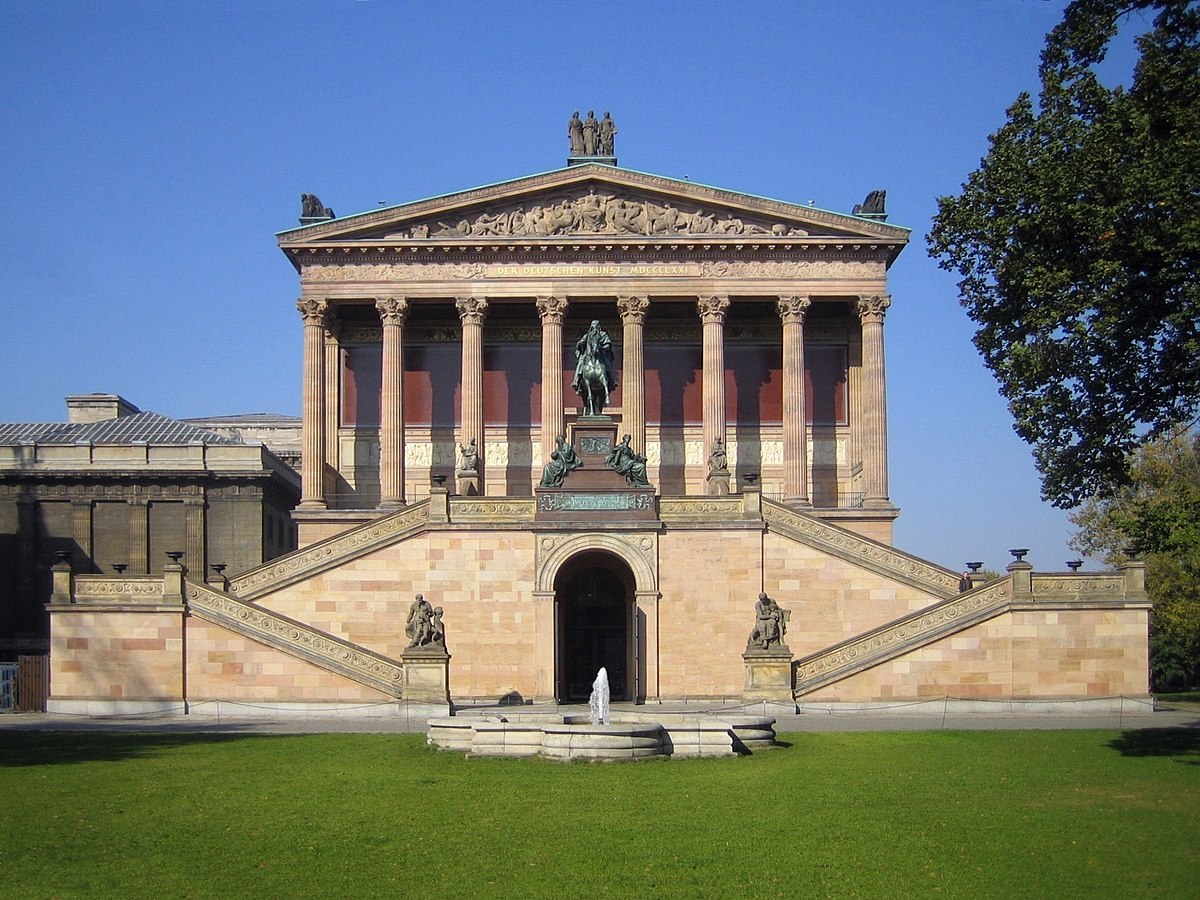
Alte Nationalgalerie
📍 Berlin, Germany
The Alte Nationalgalerie, an esteemed art museum located in Berlin’s Bezirk Mitte, is a cornerstone of cultural appreciation in Germany. This museum …