Overview
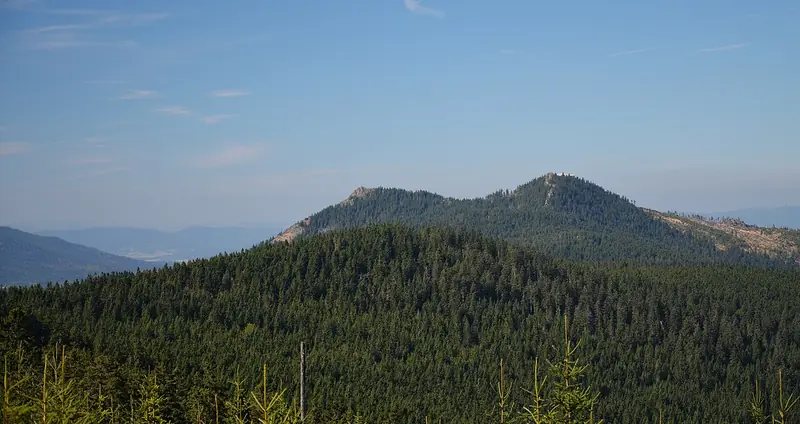
Osser, a prominent mountain located in the Kunisch Mountains on the border of Bavaria, Germany, and the Plzeň Region of the Czech Republic, offers a unique blend of natural beauty and cultural heritage. This mountain, with its captivating landscapes, serves as a significant landmark in the region, attracting nature enthusiasts and history buffs alike. The surrounding area is characterized by its lush forested slopes and diverse wildlife, making Osser an ideal destination for outdoor activities such as hiking, bird watching, and photography. Visitors to Osser can immerse themselves in the serene atmosphere while enjoying panoramic views that stretch across the border into the Czech Republic.
The significance of Osser is not solely in its natural beauty but also in its role as a cultural symbol for both Germany and the Czech Republic. The mountain stands as an emblem of the region’s rich history, reflecting the intertwined narratives of the two nations. As you explore Osser, you will uncover the stories that have shaped this landscape, making it a must-visit for those seeking to connect with the heritage of Central Europe.
History and Significance
Osser has long been a significant natural landmark for the local communities, playing a vital role in their cultural identity. While specific historical dates may be elusive, the mountain has been a part of regional folklore and traditions for centuries. Its prominence in the landscape has made it a focal point for various cultural practices, including festivals and rituals that celebrate the changing seasons and the bounty of nature.
The mountain’s location at the border of Germany and the Czech Republic adds another layer of significance. This geographical position has historically made Osser a point of convergence for different cultures, languages, and customs. The exchanges that have taken place here reflect the broader historical narratives of the region, particularly in terms of trade, migration, and cultural interchange. As a result, Osser is not just a natural site but a symbol of unity and diversity, representing the shared heritage of two neighboring countries.
The ecological diversity of Osser is also noteworthy. The mountain is home to various flora and fauna, much of which is protected under local conservation efforts. The surrounding forests and natural habitats provide essential ecosystems that contribute to the environmental health of the region. This biodiversity enhances the cultural significance of Osser, as local communities often draw upon their natural surroundings for inspiration in art, literature, and music.
Architecture and Features
Osser’s physical features are a blend of rugged terrain and gentle slopes, creating a landscape that is both varied and inviting. The mountain rises prominently, offering hiking trails that range from easy walks to more challenging treks for seasoned adventurers. The trails meander through dense forests, rocky outcrops, and open meadows, providing hikers with opportunities to encounter local wildlife and enjoy the stunning natural scenery.
One of the notable features of Osser is its panoramic viewpoints, which offer sweeping vistas of the surrounding countryside and beyond. On clear days, visitors can see far into the distance, taking in the rolling hills and valleys that define the landscape. These vantage points are often popular spots for photography and contemplation, allowing guests to appreciate the beauty of the region fully.
While Osser is primarily a natural site, the cultural elements integrated into the landscape are also noteworthy. Various trails are marked with information boards that illustrate the natural and cultural history of the mountain, enhancing the visitor experience. These features provide context for the significance of Osser and promote an understanding of the local ecology and heritage.
Visiting Information
Accessing Osser is relatively straightforward, with multiple routes leading to the mountain from surrounding towns and villages. Visitors can reach the area by car, and there are designated parking areas near the trailheads. Public transportation options might be available, but it is advisable to check the official website for current information regarding schedules and services.
As you plan your visit, consider the time you wish to spend exploring Osser. Most hikers typically allocate several hours to a full day to fully enjoy the various trails and viewpoints. The best times to visit are during the spring and autumn months when the weather is mild, and the natural scenery is particularly vibrant. Summer can also be a lovely time to visit, but be prepared for potentially larger crowds.
When visiting Osser, it’s essential to check the official website for hours and any entry fees that may apply. Additionally, consider bringing along essentials such as water, snacks, suitable footwear, and a camera to capture the beauty of the landscape.
Nearby Attractions
While Osser itself is a compelling destination, several nearby attractions can enhance your visit:
Bavarian Forest National Park: Located to the north, this expansive national park is ideal for those interested in exploring further natural beauty and diverse wildlife.
Schwarzenbach Dam: To the east, this dam offers picturesque views and opportunities for leisure activities, including fishing and picnicking.
Falkenstein Castle Ruins: Situated nearby, the ruins provide a glimpse into the region’s medieval history, making for an enriching excursion.
Furth im Wald: This charming town features historical architecture and local cultural events, perfect for an afternoon visit after exploring Osser.
Historic Town of Regensburg: A bit further afield, Regensburg is a UNESCO World Heritage site known for its well-preserved medieval core, offering a rich cultural and historical experience.
Insider Tips
For photographers, the early morning or late afternoon light can create stunning images of Osser and its surroundings. Aim to visit during these times for the best natural lighting. Additionally, consider bringing a zoom lens to capture the wildlife and distant views.
To avoid larger crowds, especially during peak seasons, try to visit on weekdays or during less popular times of the day. This strategy will allow for a more tranquil experience on the trails and at the viewpoints.
Practical Information
When preparing for your trip to Osser, consider the following:
What to Bring: Essentials include water, snacks, a first aid kit, a map or GPS device, sun protection, and appropriate footwear for hiking.
Seasonal Considerations: Spring and autumn are ideal for comfortable weather and beautiful scenery. Winters can be cold and may require specific gear for snow, while summer can bring heat and larger crowds.
Clothing: Dress in layers to accommodate changing weather conditions, and wear sturdy hiking boots for comfort and support on the trails.
Frequently Asked Questions
How long should I spend visiting?
Most visitors typically spend several hours to a full day at Osser to fully explore the various trails and viewpoints.
Is photography allowed?
Yes, photography is allowed and encouraged, especially at the scenic viewpoints.
Are there guided tours?
Guided tours may be available; check local resources or the official website for more information.
What’s the best time to visit?
The best times to visit Osser are during the spring and autumn months when the weather is mild and the scenery is vibrant.
Is it wheelchair accessible?
Accessibility information may vary; check the official website for specific details on trails and facilities.
Can I buy tickets online?
For the latest information on entry fees and ticketing, please check the official website.
Are there restrooms and cafes?
Facilities may be limited; it is advisable to check the official website for current information on amenities.
What should I wear?
Dress in layers and wear sturdy hiking boots to accommodate the varying conditions and terrains.



