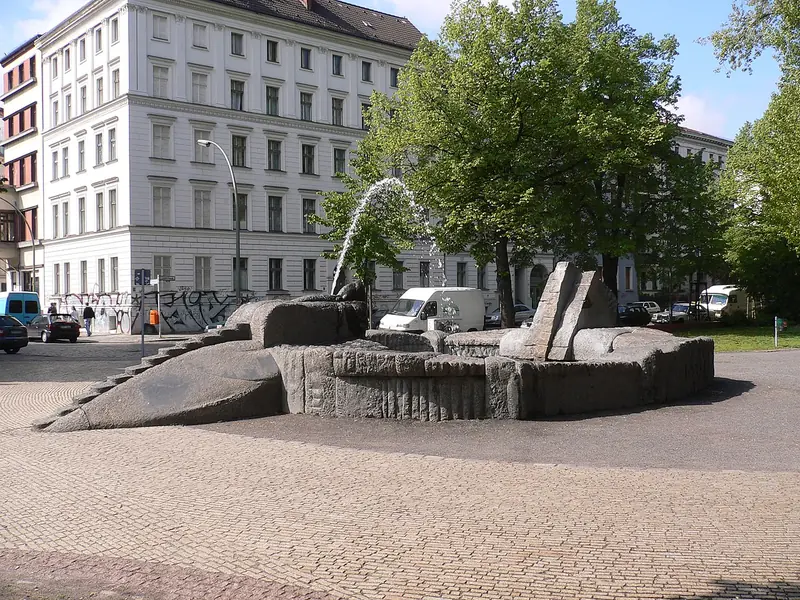
Overview
Oranienplatz is a vibrant market square located in the heart of Berlin-Kreuzberg, a district known for its rich cultural diversity and dynamic urban life. This public space serves as a central hub where locals and visitors alike converge to experience the unique atmosphere of the area. Surrounded by an eclectic mix of cafes, shops, and street art, Oranienplatz encapsulates the spirit of Berlin’s ever-evolving character. With its lively markets, communal events, and open green spaces, the square is not just a place for commerce but also a gathering point for community engagement and cultural expression.
As you explore Oranienplatz, you’ll find yourself immersed in the sounds, sights, and tastes that define this iconic square. Whether you are enjoying a cup of coffee, perusing local crafts, or simply soaking in the atmosphere, Oranienplatz promises an experience that reflects the diverse fabric of Berlin’s urban culture.
History and Significance
The history of Oranienplatz is intertwined with the development of the Kreuzberg district, which has undergone significant transformations over the years. Originally established as a public square, Oranienplatz has served various purposes throughout its existence. In the 19th century, the square was a bustling marketplace, playing a crucial role in local commerce and daily life. Over the years, it has become a symbol of the social and political movements that have shaped Kreuzberg, particularly during the late 20th century when the area became a focal point for countercultural activities and community activism.
The square is named after the House of Orange, a reference to the Dutch royal family, and reflects the historical connections between Germany and the Netherlands. Throughout its history, Oranienplatz has been a site for protests, cultural celebrations, and community gatherings, making it a significant landmark in Berlin. Its evolution is indicative of the broader changes in the city, particularly in terms of immigration, gentrification, and urban development. This ongoing transformation highlights the square’s role as a microcosm of Berlin’s diverse social fabric.
Architecture and Features
Oranienplatz features a blend of architectural styles that mirror the eclectic nature of its surroundings. The square is bordered by an array of buildings, from traditional Berlin tenements to modern constructions, creating a fascinating juxtaposition that reflects the area’s dynamic history. The layout of the square is characterized by open spaces that facilitate gatherings and markets, allowing for communal interactions that are central to its charm.
Notable features of Oranienplatz include its green areas, which provide a serene backdrop for relaxation amidst the urban hustle. The square often hosts local markets where vendors sell fresh produce, handmade goods, and artisanal products, contributing to its vibrant atmosphere. Public art installations and street performances frequently take place here, adding to the cultural richness of the space. Visitors can also find benches and shaded areas, making it an ideal spot for people-watching and soaking up the local culture.
Visiting Information
Oranienplatz is accessible via various modes of transportation, making it easy for visitors to reach. The square is well-served by public transport, including buses and the U-Bahn (subway), which connect it to other parts of Berlin. For those traveling by car, parking is available in nearby areas, although public transport is often the most convenient option.
When planning your visit, check the official website for current information on hours and any special events that might be taking place. The square is open to the public year-round, and visitors can expect to spend anywhere from a couple of hours to half a day exploring its offerings, depending on their interests. The best times to visit are typically during the warmer months when outdoor markets and events are more frequent. Early mornings or late afternoons can also provide a less crowded experience, allowing for a more leisurely exploration of the space.
Nearby Attractions
While visiting Oranienplatz, take the opportunity to explore some nearby attractions that complement your experience in the area:
Markthalle Neun: A historic market hall located just a short walk away, Markthalle Neun offers a variety of food stalls, local produce, and artisanal goods. It’s a great spot to sample Berlin’s culinary scene.
Kreuzberg Museum: For those interested in the history and culture of the Kreuzberg district, this small museum provides insights into the area’s past and its diverse community.
Tempelhofer Feld: Once an airport, this expansive public park is perfect for outdoor activities, picnics, and enjoying the open space. It’s a short distance from Oranienplatz and offers a unique perspective on urban land use.
East Side Gallery: A few kilometers away, this open-air gallery features murals on the remnants of the Berlin Wall, providing a powerful reminder of the city’s history.
Victoria Park: Located to the south of Oranienplatz, Victoria Park is known for its beautiful waterfall and walking paths, making it an ideal spot for nature lovers.
Insider Tips
To capture the essence of Oranienplatz, consider visiting during the golden hour when the lighting is perfect for photography. The vibrant market atmosphere and the artistic expressions found around the square offer ample opportunities for unique shots. If you prefer a quieter experience, try to visit on weekdays when the crowds are typically smaller.
For those looking to engage with the local community, check the calendar for events or markets happening during your visit. These gatherings can provide a deeper insight into the culture and lifestyle of Kreuzberg residents.
Practical Information
When visiting Oranienplatz, it’s advisable to bring comfortable walking shoes, as the area is best explored on foot. Depending on the season, consider packing an umbrella or sunscreen to stay prepared for changing weather conditions.
If you plan to enjoy the local markets, bringing cash can be useful, as some vendors may not accept cards. It’s also a good idea to have a reusable water bottle on hand, especially during the warmer months, to stay hydrated while exploring.
Frequently Asked Questions
How long should I spend visiting?
A visit to Oranienplatz typically takes between two to four hours, depending on your interest in exploring the area, shopping at local markets, or enjoying the cafes.
Is photography allowed?
Yes, photography is generally allowed in Oranienplatz, especially during events and markets. However, it’s always courteous to ask permission if you are taking close-up photos of individuals.
Are there guided tours?
While there may not be specific guided tours of Oranienplatz, local walking tours of the Kreuzberg area often include a stop at the square, providing context and history.
What’s the best time to visit?
The best time to visit Oranienplatz is during the warmer months when outdoor markets and community events are more prevalent. Early mornings or late afternoons can also offer a quieter experience.
Is it wheelchair accessible?
Oranienplatz is mostly flat and accessible, but it’s advisable to check specific routes if you require wheelchair access, as some areas may have uneven surfaces.
Can I buy tickets online?
As Oranienplatz is a public square, there are no tickets required for entry. However, specific events or markets may have associated costs.
Are there restrooms and cafes?
While there are no public restrooms directly on the square, nearby cafes and establishments may offer facilities for customers. Additionally, several cafes around the square provide a place to enjoy refreshments.
What should I wear?
Dress comfortably for walking and exploring. Depending on the season, layers are recommended to accommodate changes in weather.



