Overview
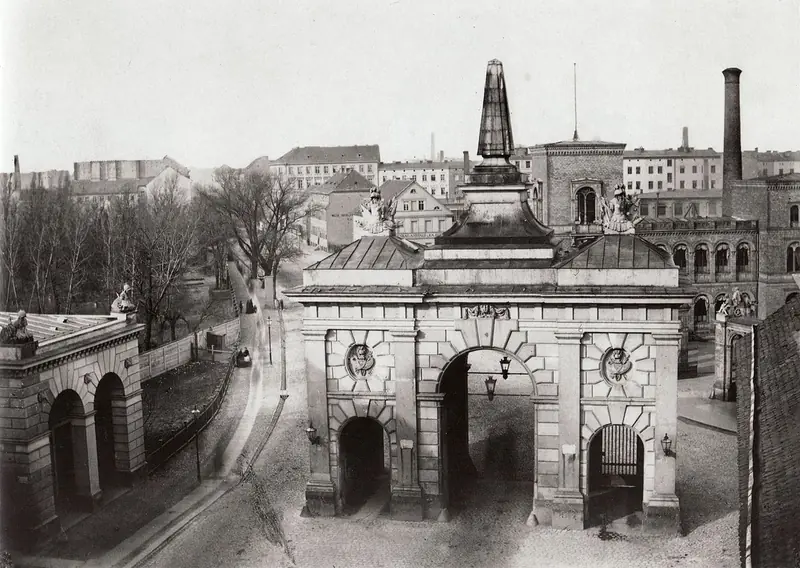
The Oranienburg Gate, a notable structure in Germany’s capital, stands as an important remnant of the city’s historical fortifications. Located at the coordinates 52.5271, 13.3871, this city gate was part of the Berlin customs and excise wall, which played a crucial role in the administration and control of trade. While the gate itself is no longer preserved, its historical significance continues to resonate within the urban landscape of Berlin. Visitors to this site can appreciate not only the architectural remnants but also the broader historical context of Berlin’s development as a major European city.
As you approach the area, the Oranienburg Gate invites exploration of its surroundings, offering insights into the evolution of urban planning and fortification in Berlin. The gate represents a chapter in the city’s architectural narrative, showcasing the blend of functionality and artistry that characterized many of its historical structures. Though it may not be intact, its location and historical context provide a meaningful experience for those interested in heritage and history.
History and Significance
The Oranienburg Gate is a significant historical element that was part of the Berlin customs and excise wall. This wall was established to regulate trade and manage the economic activities within the city. The gate itself served as an entry point, symbolic of the control over goods and commerce flowing in and out of Berlin during its formative years.
The customs wall, including the Oranienburg Gate, reflects the broader trends in urban development during the time it was built. As cities expanded and trade networks grew, so too did the need for fortifications and regulatory structures. The Oranienburg Gate is emblematic of this period, representing both the economic aspirations of Berlin and the socio-political climate of its time.
While specific dates regarding its construction and subsequent history may be elusive, the significance of the gate remains clear. It offers a glimpse into the governance of trade in Berlin and the architectural strategies employed to secure and manage urban environments. The remnants of such structures provide valuable context for understanding the complexities of Berlin’s evolution as a major cultural and economic hub in Europe.
Architecture and Features
Although the Oranienburg Gate is not preserved in its original form, its historical context allows for a deeper appreciation of its architectural features. Typically, city gates of this nature were designed with both defensive and ceremonial purposes in mind. Elements such as thick walls, imposing arches, and strategic placement were common, serving to fortify the city while also making a statement about its power and significance.
Gates like the Oranienburg often included decorative elements that conveyed the city’s identity and aspirations. While specific architectural details may not be available, such gates were usually adorned with emblems or inscriptions that celebrated the city’s heritage. The gate’s construction would have been reflective of the materials and styles prevalent during its period of use.
Visitors can expect to see the remnants of the gate’s foundation and surrounding structures, which serve as a reminder of the city’s historical fortifications. The location itself offers a view into the urban landscape, illustrating how the area has transformed over the years.
Visiting Information
To visit the Oranienburg Gate, travelers can utilize Berlin’s extensive public transport network, which includes buses, trams, and trains. The gate is situated in a central area, making it easily accessible from various parts of the city. Visitors are encouraged to check the official website for current information regarding opening hours and any possible entry fees, as these details can vary.
When planning a visit, expect to spend around an hour exploring the site and its immediate surroundings. The best times to visit are generally during the early morning or late afternoon when the light is ideal for photography and the crowds are thinner. Engaging with the gate’s historical context may inspire visitors to delve deeper into Berlin’s rich history and explore other nearby landmarks.
Nearby Attractions
Berlin Wall Memorial – A short distance from the Oranienburg Gate, this memorial provides a poignant insight into the history of the Berlin Wall and its impact on the city.
Museum Island – Just a quick journey away, this UNESCO World Heritage site features several world-class museums, including the Pergamon Museum and the Neues Museum.
Schauspielhaus – The city’s notable theater showcases a variety of performances and offers a glimpse into Berlin’s vibrant cultural scene.
Brandenburg Gate – A symbol of Berlin, this iconic monument is not far from the Oranienburg Gate and is a must-visit for any traveler.
Reichstag Building – The seat of the German Parliament, this historic building is known for its stunning glass dome and offers guided tours that highlight its significance in German political history.
Insider Tips
For photography enthusiasts, the best shots of the Oranienburg Gate can be captured during the golden hours of early morning and late afternoon. This timing not only provides beautiful natural light but also helps avoid larger crowds. If you’re looking to delve deeper into the history of the area, consider visiting during weekdays when the site is generally less populated.
Additionally, take a moment to explore the surrounding streets and alleyways, as they often reveal lesser-known historical elements and local stories that enrich the overall experience. Engaging with local guides or informative signage in the area can also enhance your understanding of the gate’s significance within Berlin’s history.
Practical Information
When visiting the Oranienburg Gate, it’s advisable to bring comfortable walking shoes, as the surrounding area is best explored on foot. Depending on the season, consider dressing in layers to accommodate the varying temperatures, especially in winter when Berlin can be quite chilly.
Many visitors also find it helpful to carry a water bottle and snacks, as you may wish to enjoy a leisurely time at the site or while exploring nearby attractions. Be mindful of seasonal events or festivals that may affect local traffic or access to certain areas.
Frequently Asked Questions
How long should I spend visiting?
Visitors typically spend about an hour at the Oranienburg Gate, allowing time to explore the site and its historical significance.
Is photography allowed?
Yes, photography is generally permitted at the Oranienburg Gate, particularly during quieter times for the best light.
Are there guided tours?
While specific guided tours of the Oranienburg Gate may not be available, there are various walking tours in Berlin that include this historic site.
What’s the best time to visit?
The early morning or late afternoon is often the best time to visit for fewer crowds and optimal lighting for photography.
Is it wheelchair accessible?
Check the official website for current information regarding accessibility options at the Oranienburg Gate.
Can I buy tickets online?
Check the official website for current information regarding ticket purchasing options.
Are there restrooms and cafes?
While there may not be facilities directly at the gate, nearby attractions such as museums and cafés typically provide restrooms and refreshments.
What should I wear?
Comfortable clothing and shoes are recommended, especially for exploring the surrounding areas on foot. Dress in layers to prepare for changing weather conditions.