
Oranienbaum Palace
Overview
Oranienbaum Palace, located in the picturesque region of Oranienbaum-Wörlitz in Saxony-Anhalt, Germany, is a remarkable testament to the grandeur of 18th-century architecture and design. This exquisite palace, built primarily as a summer residence, captures the imagination of visitors with its elegant Baroque style and beautifully landscaped gardens. Situated approximately 50 kilometers northwest of Leipzig, the palace is part of a UNESCO World Heritage Site that showcases the innovative landscape design of the Wörlitz Garden Realm, an area celebrated for its harmonious integration of nature and architecture.
The significance of Oranienbaum Palace extends beyond its aesthetic appeal; it reflects the cultural aspirations and sociopolitical dynamics of its time. Originally commissioned by Princess Anna Louise of Anhalt-Dessau, the palace serves as a vivid reminder of the era’s artistic movements and the role of nobility in shaping cultural landscapes. Visitors to the palace can expect to immerse themselves in its historical narrative while enjoying the serene beauty of its surroundings.
As you explore Oranienbaum Palace, you will discover not only the architectural marvels within its walls but also the enchanting gardens that invite leisurely strolls. The palace promises an enriching experience, combining the allure of history with the tranquility of nature.
History and Significance
Oranienbaum Palace’s history is deeply intertwined with the cultural and political developments of the region. Constructed in the 18th century, the palace was commissioned by Princess Anna Louise of Anhalt-Dessau, who was known for her influential role in the arts and architecture of her time. The palace served as a summer residence and a place for cultural gatherings, reflecting the tastes and aspirations of the European aristocracy.
The architectural style of Oranienbaum reflects the Baroque influences that were prevalent during its construction. The palace was designed to be both functional and aesthetically pleasing, showcasing the opulence of the era. It was not merely a residence but a statement of power and sophistication. As the years progressed, the palace became a site for significant cultural events and gatherings, further cementing its place in the historical tapestry of the region.
Oranienbaum Palace is also notable for its gardens, which were designed to complement the grandeur of the palace itself. These gardens were among the earliest examples of the English landscape style in Germany, emphasizing natural beauty and harmony. The integration of architecture and landscaping at Oranienbaum set a precedent for future developments in garden design and palace construction across Europe.
Today, the palace is an emblem of the cultural heritage of Saxony-Anhalt, attracting visitors interested in both its historical significance and architectural beauty. Its inclusion in the UNESCO World Heritage Site designation underscores its importance as a cultural landmark, ensuring that future generations can appreciate its rich legacy.
Architecture and Features
Oranienbaum Palace is characterized by its striking Baroque architecture, which features symmetrical designs, grand facades, and intricate detailing. The structure is constructed primarily of brick, a material that allows for both durability and aesthetic appeal. The exterior of the palace is adorned with decorative elements that reflect the artistic styles of the 18th century, including elaborate cornices and classical columns.
One of the most notable features of Oranienbaum Palace is its central hall, which serves as the heart of the building. This grand space is often highlighted for its impressive proportions and decorative elements, creating an atmosphere of opulence. Visitors may also admire the intricately designed rooms, each showcasing unique features such as ornate ceilings, period furnishings, and exquisite artwork that narrate the story of the palace’s past.
The gardens surrounding the palace are equally remarkable, featuring a variety of pathways, water features, and carefully curated plantings. These gardens not only enhance the visual appeal of the palace but also provide a serene environment for visitors to explore. The landscape design incorporates both natural and artistic elements, creating a harmonious balance that invites contemplation and relaxation.
In addition to the main palace structure, several outbuildings and pavilions contribute to the overall aesthetic and historical context of the site. These ancillary structures serve various functions, from housing servants to providing spaces for leisure activities. Together, they form a cohesive estate that reflects the grandeur and ambition of the period.
Visiting Information
Oranienbaum Palace welcomes visitors year-round, offering a glimpse into its storied past and architectural beauty. To make the most of your visit, it is advisable to check the official website for current information regarding operating hours and ticket prices. The palace is easily accessible by public transport, with well-connected train and bus services from nearby cities. For those traveling by car, ample parking facilities are available.
As you plan your visit, consider allocating at least two hours to fully explore the palace and its surrounding gardens. This time frame allows for a leisurely stroll through the grounds, as well as an opportunity to appreciate the intricate details within the palace itself. The best times to visit are during the spring and summer months when the gardens are in full bloom, providing an enchanting backdrop to your experience.
Upon arrival, visitors can expect a well-maintained site with informative signage and staff available to answer questions. Guided tours may be available, providing deeper insights into the palace’s history and architectural features. Be prepared to encounter both domestic and international tourists, especially during peak seasons.
Dress comfortably and wear appropriate footwear, as the gardens may require some walking. For those interested in photography, early morning or late afternoon light can enhance the beauty of the palace and gardens, making for stunning images.
Nearby Attractions
While visiting Oranienbaum Palace, consider exploring these nearby attractions that further highlight the cultural and natural beauty of the region:
Wörlitzer Park: Recognized as a UNESCO World Heritage Site, this expansive park features picturesque landscapes, lakes, and neoclassical buildings, ideal for leisurely walks and picnics.
The Dessau-Wörlitz Garden Realm: This remarkable landscape design showcases the harmonious relationship between nature and architecture, with various gardens, lakes, and historical structures.
The Bauhaus Dessau Foundation: Located in Dessau, this site celebrates the influential Bauhaus movement, offering exhibitions and guided tours that explore modernist architecture and design.
St. John’s Church in Dessau: An architectural landmark, this church features a striking modern design and offers a peaceful space for reflection.
The Anhaltinisches Theater Dessau: A cultural hub in the region, this theater hosts a range of performances, from opera to drama, enriching the local arts scene.
Insider Tips
To enhance your experience at Oranienbaum Palace, consider these insider tips:
Photography: Early mornings or late afternoons provide the best natural light for photography, allowing you to capture the palace and gardens in their most flattering light. Be mindful of other visitors and respect any photography regulations in place.
Crowd Avoidance: To avoid the busiest times, plan your visit during weekdays or outside of peak tourist seasons. Early morning visits often provide a quieter experience, allowing you to fully immerse yourself in the surroundings.
Guided Tours: If you have an interest in the historical context and architectural details, consider joining a guided tour. These tours can provide valuable insights that enhance your understanding and appreciation of the palace.
Practical Information
When preparing for your visit to Oranienbaum Palace, keep the following practical considerations in mind:
What to Bring: Comfortable walking shoes are essential, especially if you plan to explore the gardens. A water bottle and a light snack can also be useful, particularly on warmer days.
Seasonal Considerations: The best times to visit are spring and summer when the gardens are vibrant and fully in bloom. However, autumn can also provide a picturesque setting with colorful foliage. Winter visits may offer a quieter experience, but indoor access may be limited.
Accessibility: Check the official website for information regarding wheelchair accessibility and any accommodations available for visitors with mobility concerns.
Frequently Asked Questions
How long should I spend visiting?
Visitors typically spend around two to three hours exploring Oranienbaum Palace and its gardens.
Is photography allowed?
Photography is generally permitted, but be sure to adhere to any specific guidelines set by the site.
Are there guided tours?
Guided tours may be available, providing deeper insights into the palace’s history and architecture. Check the official website for details.
What’s the best time to visit?
Spring and summer are ideal for enjoying the gardens, while weekdays tend to be less crowded.
Is it wheelchair accessible?
Check the official website for current information on accessibility options for visitors with mobility challenges.
Can I buy tickets online?
Ticket purchasing options may vary. It’s advisable to check the official website for the latest information.
Are there restrooms and cafes?
Restroom facilities are typically available on-site, and there may be cafes or refreshment options nearby. Check the official website for specifics.
What should I wear?
Dress comfortably and wear appropriate footwear for walking, especially if you plan to explore the gardens.
More in Brandenburg
Agnetenkloster
📍 Brandenburg, Germany
Agnetenkloster, a former monastery located in the heart of Magdeburg, Germany, invites visitors to explore its serene ambiance and historical …

Agroneum
📍 Brandenburg, Germany
Agroneum is a museum located in the serene landscape of Alt Schwerin, Germany. This establishment serves as a vibrant hub for those interested in the …

Alexander Nevsky Memorial Church
📍 Brandenburg, Germany
The Alexander Nevsky Memorial Church in Potsdam, Germany, offers visitors a unique glimpse into the city’s cultural and religious heritage. This …
Alexandrowka
📍 Brandenburg, Germany
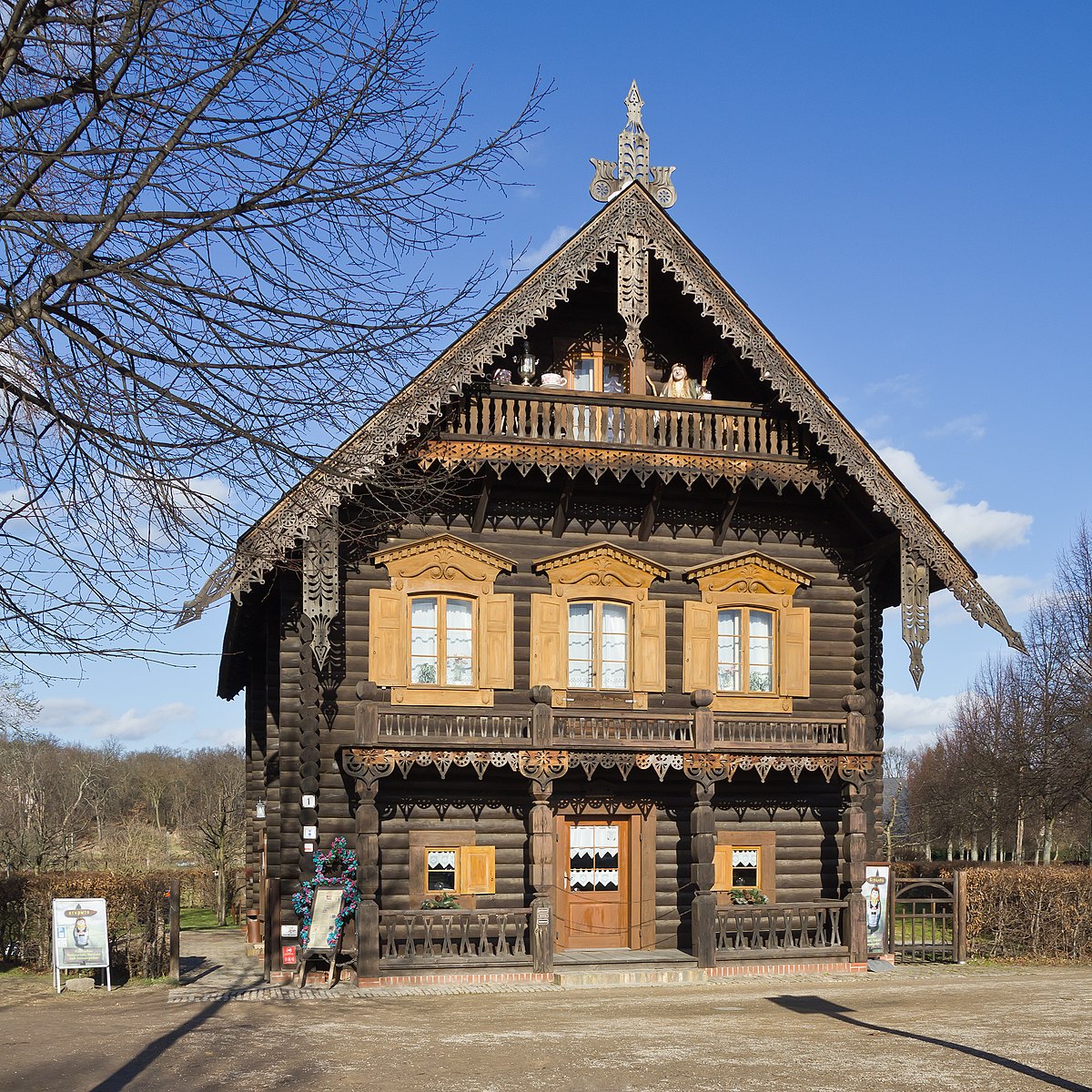
Located in the picturesque city of Potsdam, Germany, Alexandrowka is an intriguing architectural ensemble that reflects a unique blend of Russian and …

Alte Burg Penzlin
📍 Brandenburg, Germany
Alte Burg Penzlin, a captivating castle located in the quaint town of Penzlin, Germany, serves as a remarkable example of medieval architecture and …

Alte Dorfkirche Röxe
📍 Brandenburg, Germany
The Alte Dorfkirche Röxe stands as a poignant symbol of architectural and cultural history in the Stendal region of Germany. This church building, …
More Palaces

Adelspalast
📍 Bavaria, Germany
The Adelspalast, a stunning cultural heritage monument located in the heart of Bamberg, Bavaria, offers visitors an opportunity to explore a …

Aegidienstraße 22
📍 Lower Saxony, Germany
Aegidienstraße 22 is a distinguished palace located in Lübeck’s Old City, a UNESCO World Heritage site known for its well-preserved medieval …

Alexanderpalais (Darmstadt)
📍 Hesse, Germany
The Alexanderpalais in Darmstadt, Germany, is a noteworthy example of architectural elegance and historical significance. This palace, located in the …
Altenburgsches Palais
📍 Lower Saxony, Germany
Altenburgsches Palais, a significant yet non-preserved palace located in the heart of Hanover, Germany, invites visitors to explore its intriguing …

Altenstein Palace
📍 Thuringia, Germany
Altenstein Palace, a striking architectural gem, gracefully ascends a rocky hill on the southwestern slope of the Thuringian Forest in Germany. This …

Älterer Dalberger Hof
📍 Hesse, Germany
The Älterer Dalberger Hof, a distinguished palace located in the heart of Mainz, Germany, offers visitors an intriguing glimpse into the architectural …