Orangery Palace
Overview
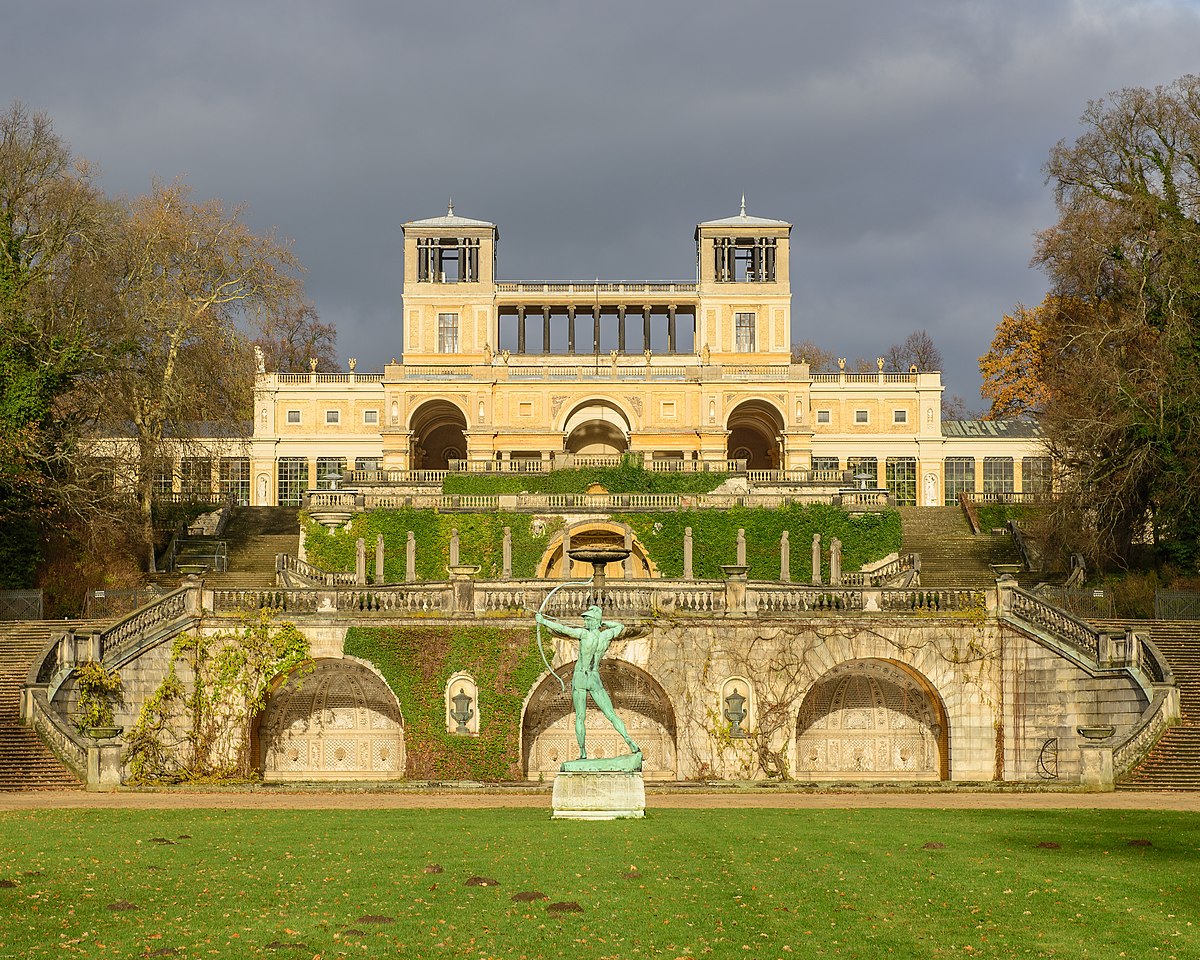
Orangery Palace, located in the picturesque Sanssouci Park of Potsdam, Germany, serves as a stunning reminder of the grandeur of the 18th century. This magnificent structure, often referred to as the “Orangerie,” was designed to house exotic plants during the colder months, a practice that reflects the era’s fascination with botany and horticulture. The palace is not only a botanical sanctuary but also represents the artistic and cultural aspirations of its time, making it a significant landmark in the rich tapestry of German history.
Potsdam itself is a city steeped in history, known for its beautiful parks and palaces, which have been designated as a UNESCO World Heritage Site. Visitors to the Orangery Palace can expect a harmonious blend of nature and architecture, with beautifully landscaped gardens surrounding the building. This site offers an opportunity to explore not only the artistic beauty of the palace but also the historical context that shaped its creation.
As you stroll through the gardens and admire the elegant façade of the Orangery Palace, you will be transported to an era where art, nature, and culture intertwined seamlessly. Whether you are an architecture enthusiast, a history buff, or simply seeking a peaceful retreat, the Orangery Palace is a must-visit destination that promises an enriching experience.
History and Significance
The Orangery Palace was conceived as part of the extensive parkland surrounding Frederick the Great’s Sanssouci Palace. The construction of the palace was driven by a desire to create a space that would not only showcase rare plants but also serve as a venue for social gatherings and cultural events. The architectural design reflects the prevailing trends of the time, merging functionality with aesthetic appeal.
The palace’s significance extends beyond its role as a greenhouse; it represents the cultural ambitions of the Prussian court in the 18th century. Frederick the Great, known for his patronage of the arts and sciences, envisioned the Orangery as a place where nature and art would coexist harmoniously. This vision was realized through the careful selection of plants and the detailed design of the surrounding landscape.
The Orangery Palace has witnessed numerous historical events and gatherings, serving as a backdrop for important social interactions among nobility and intellectuals. Its construction and subsequent use mirror the broader artistic and philosophical movements of the Enlightenment, emphasizing the importance of nature, beauty, and knowledge. As such, it holds a significant place in the narrative of European architectural development and cultural history.
Today, the Orangery Palace continues to be celebrated for its historical and cultural importance. It stands as a symbol of the Enlightenment values that shaped modern Europe and remains a focal point for visitors interested in the interplay between nature and architecture in historical contexts.
Architecture and Features
The architectural design of the Orangery Palace is a striking blend of classical and baroque elements, characterized by its elegant lines and grand proportions. The façade is adorned with large arched windows that allow natural light to flood the interior spaces, creating an inviting atmosphere for the exotic plants housed within. The use of terracotta and stone embellishments enhances the visual appeal of the structure, making it a standout feature of Sanssouci Park.
One of the most notable features of the Orangery is its impressive central hall, which serves as both a botanical display area and a venue for social gatherings. The hall is flanked by smaller rooms that showcase a variety of plants, creating a lush and vibrant environment. Visitors can admire the intricate details of the interior design, which reflects the artistic sensibilities of the time.
Surrounding the palace are beautifully landscaped gardens, designed to complement the architectural elegance of the Orangery. These gardens are meticulously maintained and feature a variety of plant species, providing a serene setting for leisurely strolls and relaxation. The integration of the palace with its natural surroundings exemplifies the principles of landscape architecture that were popular during the 18th century.
Visitors may also encounter sculptures and fountains that dot the grounds, adding to the overall aesthetic experience. The harmonious relationship between the palace and its gardens is a testament to the thoughtful planning that went into its creation, making the Orangery Palace a remarkable example of historical architecture.
Visiting Information
Getting to the Orangery Palace is convenient, as it is located within the larger context of Sanssouci Park, easily accessible by public transport or on foot from central Potsdam. The park itself is well-signposted, and visitors can enjoy a leisurely walk through the beautifully landscaped grounds leading up to the palace.
Before planning your visit, it is advisable to check the official website for current information regarding opening hours and ticket prices. The Orangery Palace is typically open to the public, allowing for exploration of its gardens and interior. Expect to spend a few hours on-site to fully appreciate the architecture, the plant displays, and the surrounding gardens.
The best times to visit are during the spring and summer when the gardens are in full bloom, offering vibrant colors and fragrant scents. Early mornings or late afternoons also tend to be quieter, providing a more peaceful atmosphere for exploration.
While visiting, you can expect to see various seasonal exhibitions and events that may enhance your experience. Be sure to check the official website for any special events or programs that may be taking place during your visit.
Nearby Attractions
Potsdam is home to several other noteworthy attractions that complement a visit to the Orangery Palace:
Sanssouci Palace: The nearby Sanssouci Palace, the summer residence of Frederick the Great, is an architectural marvel and a must-see for history enthusiasts.
New Palace (Neues Palais): Located at the western end of Sanssouci Park, this grand palace showcases the opulence of Prussian royalty and features beautiful gardens.
Chinese House: This charming pavilion, located within the park, reflects the fascination with Chinese culture during the Enlightenment and is worth a visit for its unique architecture.
Cecilienhof Palace: This historic site, known for hosting the Potsdam Conference after World War II, offers insight into modern history and stunning surrounding gardens.
Filmpark Babelsberg: A short distance from Potsdam, this theme park provides a fun and interactive experience for film lovers, featuring sets and attractions related to the film industry.
Insider Tips
For photography enthusiasts, the Orangery Palace and its gardens present ample opportunities to capture stunning images. Early morning light offers a soft glow that enhances the beauty of the architecture and plant life. Additionally, consider exploring different angles and perspectives to showcase the grandeur of the palace.
To avoid crowds, plan your visit during weekdays, particularly in the morning or late afternoon when visitor numbers are typically lower. This will allow you to enjoy the serene atmosphere of the gardens and the palace without the hustle and bustle of larger crowds.
Practical Information
When visiting the Orangery Palace, it is advisable to wear comfortable shoes, as you will likely be walking through the park and gardens. Seasonal considerations are also important; during the warmer months, bringing sunscreen and a hat can enhance your comfort while exploring the outdoor spaces.
If you plan to stay for an extended period, consider bringing a picnic to enjoy in the gardens. While there may be facilities nearby, having your own refreshments allows for a more leisurely experience.
Be sure to check the official website for any additional information regarding what to bring, as well as current guidelines for visitors.
Frequently Asked Questions
How long should I spend visiting?
A visit typically takes around 2-4 hours to fully explore the Orangery Palace and its gardens.
Is photography allowed?
Yes, photography is permitted in the gardens and around the exterior of the palace. Be sure to check for any restrictions inside the buildings.
Are there guided tours?
Guided tours may be available, providing deeper insights into the history and architecture of the Orangery Palace. Check the official website for more details.
What’s the best time to visit?
Spring and summer are ideal times to visit, as the gardens are in full bloom and the weather is pleasant.
Is it wheelchair accessible?
Accessibility features may be available, but it is advisable to check the official website for specific details regarding wheelchair access.
Can I buy tickets online?
Ticket purchasing options may vary, so it’s best to check the official website for the most current information.
Are there restrooms and cafes?
Facilities such as restrooms and cafes may be available within the park. Check the official website for specific locations and services.
What should I wear?
Comfortable clothing and shoes are recommended, especially for exploring the gardens. Seasonal considerations such as sun protection or warmer layers may also be necessary.
More in Brandenburg
Agnetenkloster
📍 Brandenburg, Germany
Agnetenkloster, a former monastery located in the heart of Magdeburg, Germany, invites visitors to explore its serene ambiance and historical …

Agroneum
📍 Brandenburg, Germany
Agroneum is a museum located in the serene landscape of Alt Schwerin, Germany. This establishment serves as a vibrant hub for those interested in the …

Alexander Nevsky Memorial Church
📍 Brandenburg, Germany
The Alexander Nevsky Memorial Church in Potsdam, Germany, offers visitors a unique glimpse into the city’s cultural and religious heritage. This …
Alexandrowka
📍 Brandenburg, Germany
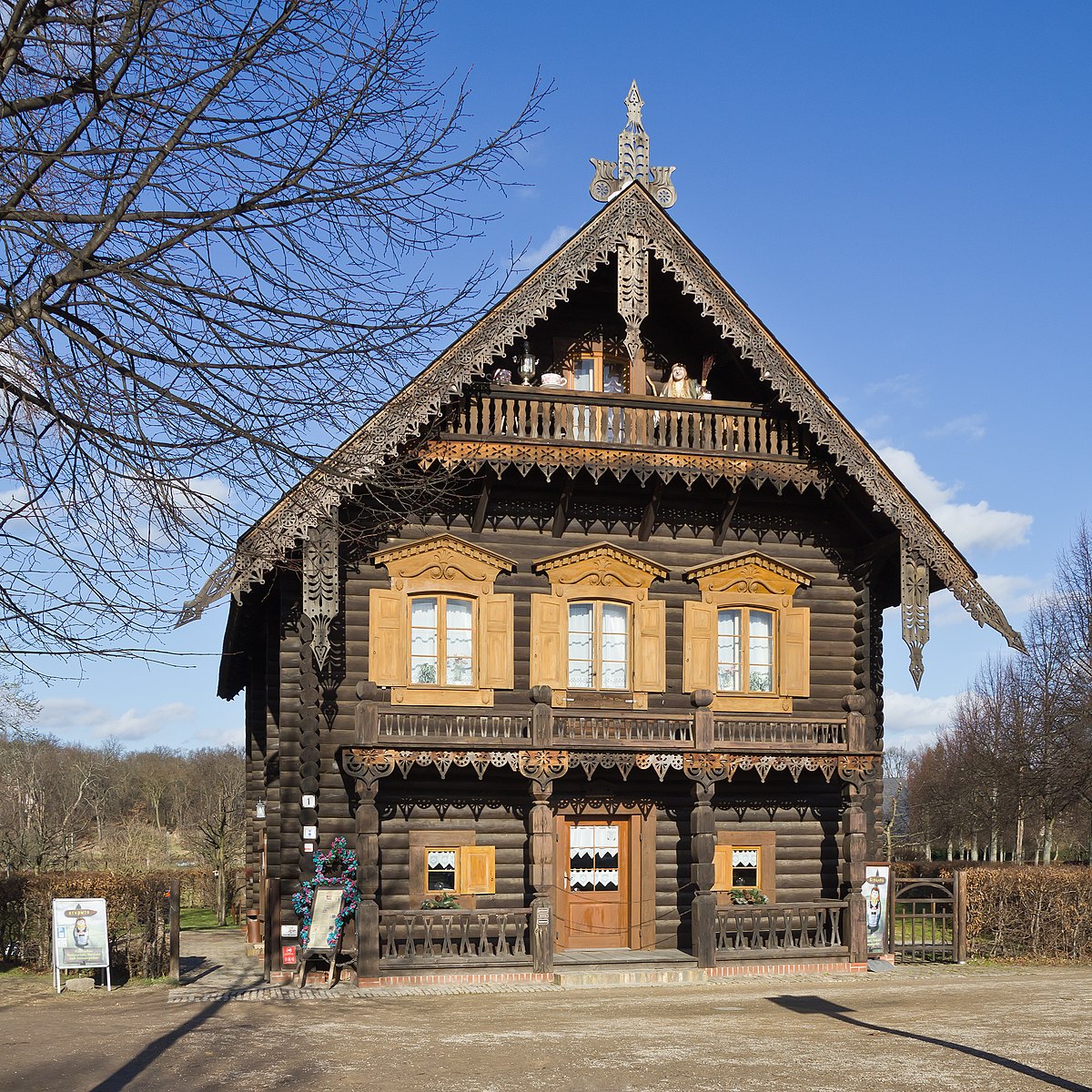
Located in the picturesque city of Potsdam, Germany, Alexandrowka is an intriguing architectural ensemble that reflects a unique blend of Russian and …

Alte Burg Penzlin
📍 Brandenburg, Germany
Alte Burg Penzlin, a captivating castle located in the quaint town of Penzlin, Germany, serves as a remarkable example of medieval architecture and …

Alte Dorfkirche Röxe
📍 Brandenburg, Germany
The Alte Dorfkirche Röxe stands as a poignant symbol of architectural and cultural history in the Stendal region of Germany. This church building, …
More Parks

Achterdiekpark
📍 Bremen, Germany
Achterdiekpark, located in the peaceful district of Oberneuland, Germany, is a sanctuary for nature lovers and a welcome retreat from urban life. This …

Aegidiischanze
📍 Lower Saxony, Germany
Aegidiischanze is a tranquil park located in the heart of Münster, Germany. This green space offers a unique blend of natural beauty and cultural …

Aerodynamic Park
📍 Berlin, Germany
Aerodynamic Park, located in Berlin, Germany, is a significant green space that serves as a serene escape amid the urban hustle. This park is not only …

Ahnepark
📍 Hesse, Germany
Ahnepark is a serene park located in Vellmar, Germany, serving as a green oasis for both locals and visitors. This expansive area offers a tranquil …
Altenberg
📍 Bavaria, Germany
Altenberg, located in the picturesque Bavarian region of Germany, offers visitors a serene escape into one of the area’s notable parks. This mountain …

Altensteiner Park
📍 Thuringia, Germany
Altensteiner Park, situated in the picturesque region of Bad Liebenwerda, Germany, serves as a tranquil retreat for nature enthusiasts and history …