Overview
The Operettenhaus, a notable theater located in the heart of Hamburg, Germany, has been a vibrant cultural hub since its establishment in the mid-20th century. Known for its dedication to operetta and musical theater, this venue captures the essence of Hamburg’s artistic spirit. With its rich programming and engaging performances, the Operettenhaus attracts both locals and tourists, making it an essential stop for anyone wishing to immerse themselves in the city’s cultural scene.
Situated at coordinates 53.54944444, 9.96694444, the theater is easily accessible and serves as a prominent landmark in Hamburg’s diverse array of cultural offerings. Visitors can expect a dynamic atmosphere, showcasing a blend of classic and contemporary performances that highlight the theater’s commitment to excellence in the performing arts. The Operettenhaus is not just a place to watch performances; it is an experience that reflects the cultural vibrancy of Hamburg itself.
History and Significance
The origins of the Operettenhaus trace back to the post-World War II era, a time when Germany was in the midst of rebuilding its cultural institutions. This theater has played a pivotal role in the revival of musical theater in Hamburg, becoming synonymous with operetta and attracting a diverse audience. The early years of the Operettenhaus saw a focus on light operas and musicals, which resonated well with audiences eager for entertainment after years of conflict.
Over the decades, the theater has hosted numerous productions, ranging from classic operettas to contemporary musicals. Its commitment to artistic innovation has solidified its status as a premier venue within Germany’s theatrical landscape. The Operettenhaus has not only contributed to the cultural fabric of Hamburg but has also influenced the wider German theater scene, inspiring a new generation of performers and writers.
Culturally, the Operettenhaus holds significance as a platform for both established and emerging talent. Its programming often includes a mix of local productions and international collaborations, showcasing the best of what the performing arts have to offer. The theater’s ability to adapt to changing artistic trends while staying true to its operetta roots has allowed it to maintain relevance in an ever-evolving entertainment industry.
Architecture and Features
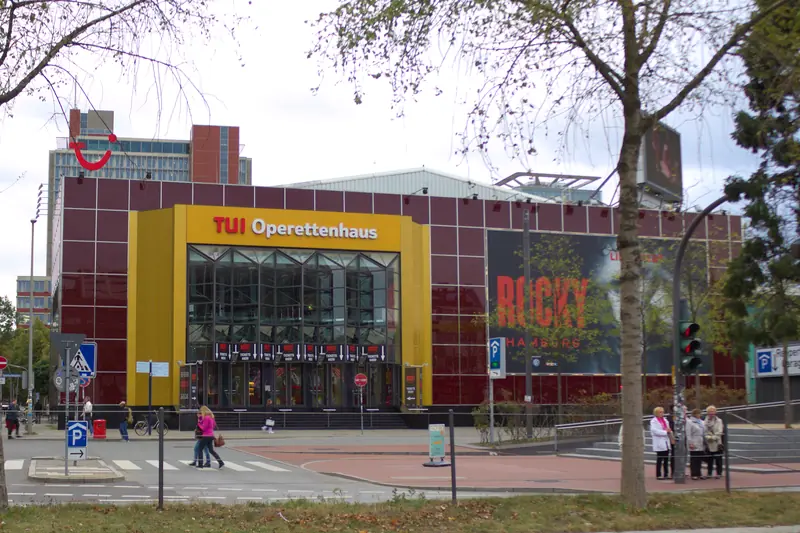
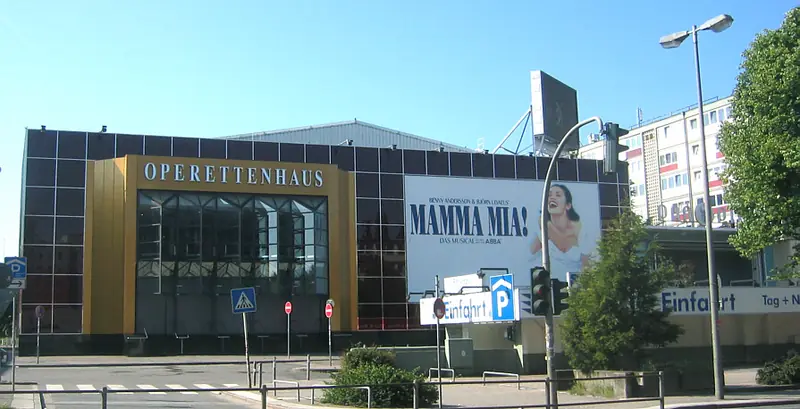
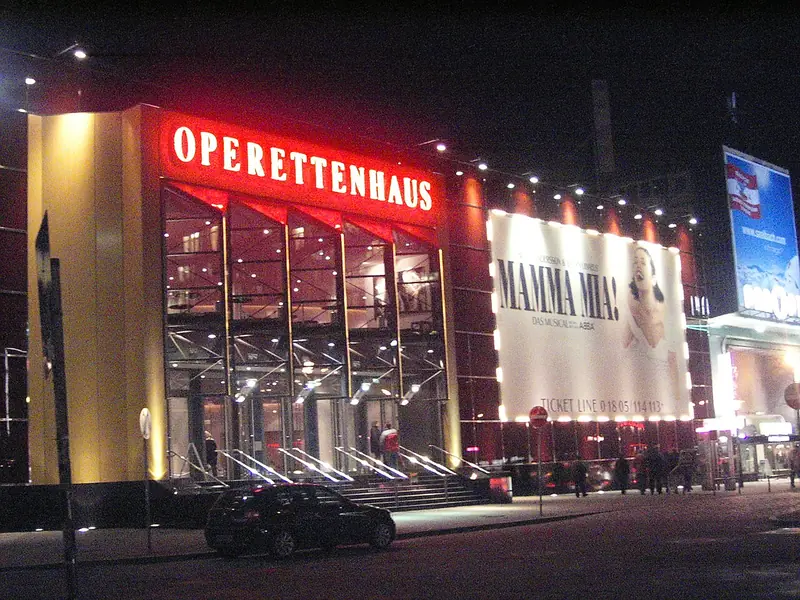
The architectural design of the Operettenhaus reflects the mid-20th-century style, characterized by a functional yet elegant aesthetic. The facade features clean lines and a modernist approach, which is not uncommon for theaters built during this period. The interior of the theater is designed to enhance the audience’s experience, with a focus on acoustics and visibility.
Inside, the main auditorium is equipped with comfortable seating that allows for an intimate viewing experience, regardless of where one sits. The stage is designed to accommodate a variety of performances, from large musical productions to smaller operetta shows. The theater’s lighting and sound systems are state-of-the-art, ensuring that every performance is executed with the utmost professionalism.
One notable feature of the Operettenhaus is its commitment to accessibility, providing facilities that cater to visitors with different needs. This focus on inclusivity is an important aspect of the theater’s mission, allowing everyone to enjoy the magic of live performances.
Visiting Information
Visiting the Operettenhaus is a straightforward process, thanks in part to its central location in Hamburg. Public transport options are plentiful, including buses and trains that connect to various parts of the city. For those traveling from afar, Hamburg’s main train station is nearby, making it easy to reach the theater.
Before planning your visit, it is advisable to check the official website for current information regarding performance schedules and ticket prices. The theater typically offers a range of shows throughout the week, attracting a diverse audience. Plan to arrive early to enjoy the atmosphere of the theater and perhaps grab a drink or snack before the show begins.
While the duration of performances varies, most shows last around two to three hours, including intermissions. This makes it a good idea to allocate a few hours for your visit, especially if you wish to explore the surrounding area afterward.
The best times to visit the Operettenhaus are during the evening performances, when the theater truly comes alive with the excitement of the audience. However, matinee shows can also be a wonderful experience, offering a different vibe and a chance to see performances during daylight hours.
Nearby Attractions
After enjoying a performance at the Operettenhaus, visitors can explore several nearby attractions that complement their cultural experience in Hamburg.
Hamburg State Opera: Just a short distance away, this prestigious venue offers a variety of operatic performances and is a cornerstone of Hamburg’s cultural scene.
Planten un Blomen: A beautiful park located within walking distance, it provides a serene atmosphere with lush gardens, fountains, and walking paths, perfect for a leisurely stroll.
The Elbphilharmonie: An iconic concert hall known for its stunning architecture and impressive acoustics, it is a must-visit for music lovers and offers breathtaking views of the city.
Museum für Kunst und Gewerbe Hamburg: This museum houses an extensive collection of art, design, and cultural history, ideal for those interested in the visual arts.
Speicherstadt: A UNESCO World Heritage site, this historic warehouse district showcases Hamburg’s maritime heritage and is home to several museums and cafés.
Insider Tips
To make the most of your visit to the Operettenhaus, consider arriving early to enjoy the ambiance and perhaps take advantage of any pre-show activities or amenities. Photography is typically not allowed during performances, but you can capture the architecture and atmosphere before or after the shows.
To avoid crowds, consider attending mid-week performances or matinees, which tend to be less busy compared to weekend shows. This can enhance your overall experience, allowing you to enjoy the performance in a more relaxed setting.
Practical Information
When planning your visit to the Operettenhaus, there are a few practical considerations to keep in mind. Comfortable clothing is advisable, as you may spend a significant amount of time seated. If you plan to explore the area before or after the show, wear appropriate footwear for walking.
Additionally, bringing a light jacket or sweater can be beneficial, as theaters can sometimes be cooler than expected. Be sure to check for any seasonal considerations, as Hamburg’s weather can vary significantly throughout the year.
Visitors are encouraged to check the official website for detailed information on ticket purchasing, performance schedules, and any specific guidelines related to health and safety.
Frequently Asked Questions
How long should I spend visiting?
Plan to spend around two to three hours for a performance, plus extra time for pre-show activities.
Is photography allowed?
Photography is generally not permitted during performances, but you can take photos of the theater and its surroundings before or after the show.
Are there guided tours?
Check the official website for information on guided tours, as availability may vary.
What’s the best time to visit?
Evening performances are popular, but matinees can offer a quieter experience.
Is it wheelchair accessible?
Yes, the Operettenhaus strives to be accessible to all visitors. Check the official website for specific accommodations.
Can I buy tickets online?
Yes, tickets can typically be purchased online. Be sure to check the official website for current availability.
Are there restrooms and cafes?
Yes, the theater is equipped with restrooms and may offer refreshments. Check the official website for specifics.
What should I wear?
Comfortable clothing is recommended, but consider the ambiance of the theater; smart casual attire is often suitable.
Visiting the Operettenhaus promises an enriching experience, one that celebrates the vibrant world of theater and the remarkable cultural landscape of Hamburg.
Photo Gallery