
Opelwerk Brandenburg
Overview
Opelwerk Brandenburg, a former factory of the Adam Opel AG, lies within the historical landscapes of Brandenburg an der Havel. This site not only represents an integral part of Germany’s industrial history but also serves as a reminder of the evolution of automotive production during the 20th century. The factory illustrates the shift in manufacturing processes and labor dynamics, encapsulating a significant chapter in both local and national narratives. Visiting this site allows one to reflect on the complexities of industrialization, the rise of automotive culture, and the socio-economic changes that accompanied these developments.
Strategically situated in a region renowned for its historical significance, Opelwerk Brandenburg offers visitors a glimpse into the manufacturing prowess that once thrived in this area. The remnants of the factory stand as a symbol of the industrious spirit that characterized the region, making it a noteworthy destination for those interested in industrial heritage and the evolution of automotive technology. A visit here promises an engaging exploration of history, architecture, and the broader context of industrial heritage in Europe.
History and Significance
Opelwerk Brandenburg has its roots deeply embedded in the industrial revolution that swept across Europe. Established as a factory for the Adam Opel AG, it played a pivotal role in the expansion of the automotive industry in Germany. The factory is part of a larger narrative that includes the rise of mass production techniques, which revolutionized how vehicles were manufactured.
The significance of the factory extends beyond its operational years; it has been a witness to various socio-economic changes in the region. The factory’s establishment contributed significantly to local employment, attracting workers from surrounding areas and transforming the economic landscape. It became a hub of activity, fostering a community centered around industrial labor and innovation.
The factory also reflects the broader trends in automotive production, including shifts in design, technology, and consumer expectations. As the demand for vehicles increased, factories like Opelwerk Brandenburg adapted to meet these challenges, implementing new manufacturing processes that would set the standards for the industry. The site stands as an archive of these transitions, providing insight into both the technological advancements and the human stories intertwined with them.
While the factory ceased operations, its legacy continues to influence contemporary discussions on industrial heritage, sustainability, and the future of manufacturing. Visitors can appreciate the cultural importance of such sites and the role they play in understanding the complexities of industrialization in Germany and beyond.
Architecture and Features
The architectural design of Opelwerk Brandenburg reflects the industrial aesthetics of its time. Characterized by utilitarian structures, the factory combines functionality with a sense of robust permanence. The buildings exhibit a straightforward yet imposing style, typical of early 20th-century industrial architecture, which prioritized efficiency and practicality.
Notable features of the factory include its expansive layout, which was designed to accommodate the large-scale production of vehicles. The arrangement of the buildings facilitated an efficient workflow, allowing for the seamless movement of materials and products throughout the manufacturing process. This design not only exemplifies the engineering principles of the era but also highlights the foresight of the architects in optimizing production capabilities.
In addition to the main production areas, the site includes various ancillary structures that supported the factory’s operations, such as warehouses and administrative offices. These buildings provide a comprehensive view of the factory’s function and the diverse aspects of industrial life during its operational years.
The overall ambiance of the site evokes a sense of nostalgia, inviting visitors to imagine the bustling activity that once filled its halls. As you explore the factory, the remnants of machinery and tools further reinforce the connection to the past, offering a tangible link to the history of automotive production.
Visiting Information
Reaching Opelwerk Brandenburg is straightforward, thanks to its location in Brandenburg an der Havel, which is well connected by public transport. For those traveling by train or bus, local services frequently operate to and from the area, making it accessible for day trips or extended stays.
Before planning your visit, it is advisable to check the official website for current information regarding hours and prices, as these may vary seasonally or due to special events. Visitors can expect a variety of experiences, from self-guided tours to informative displays that delve into the factory’s history and significance.
The recommended duration for a visit is approximately two to three hours, allowing ample time to explore the site and engage with its exhibits. Consider visiting during weekdays or off-peak hours to avoid larger crowds, which can enhance your experience by allowing for a more personal exploration of the factory’s features.
For those interested in a deeper understanding of the site, guided tours may be available, providing insights from knowledgeable guides who can share stories and context that enrich the visit.
Nearby Attractions
While Opelwerk Brandenburg is a focal point for those interested in industrial heritage, the surrounding area offers additional attractions worth exploring:
Brandenburg Cathedral: This impressive Gothic structure stands as a prominent landmark in the city, showcasing stunning architecture and offering a glimpse into the region’s religious heritage.
St. Peter and Paul Cathedral: Located nearby, this historic cathedral features beautiful artwork and is a significant site for understanding the local history.
Brandenburg City Museum: This museum provides insights into the cultural and historical development of Brandenburg an der Havel, complementing the industrial narrative of Opelwerk.
Havel River: The scenic river offers opportunities for leisurely walks and boating, allowing visitors to appreciate the natural beauty of the region.
Old Town (Altstadt): A stroll through the picturesque streets of the Old Town reveals charming architecture and quaint shops, inviting visitors to enjoy the local atmosphere.
Insider Tips
For photography enthusiasts, the factory’s industrial architecture provides striking visuals, particularly during golden hour when the light casts dramatic shadows and highlights. Be mindful of any restrictions on photography within specific areas of the site.
To avoid crowds, consider visiting during weekdays or early in the morning. This timing allows for a more tranquil experience, enabling you to fully appreciate the details of the site without the hustle and bustle of larger groups.
Practical Information
When planning your visit to Opelwerk Brandenburg, consider bringing water and light snacks, as facilities may be limited on-site. Comfortable footwear is recommended for exploring the factory and surrounding areas.
Seasonal considerations are important; if visiting in colder months, dress in layers to accommodate varying temperatures, especially if the factory features are partially outdoors.
Frequently Asked Questions
How long should I spend visiting?
A visit typically requires about two to three hours to fully explore the site and engage with its exhibits.
Is photography allowed?
Photography is generally permitted, but it’s best to check for any specific restrictions in certain areas.
Are there guided tours?
Guided tours may be available, offering in-depth insights into the factory’s history and significance.
What’s the best time to visit?
Weekdays or early mornings are often the best times to visit to avoid large crowds.
Is it wheelchair accessible?
Check the official website for accessibility information regarding the site.
Can I buy tickets online?
It’s advisable to check the official website for information on ticket purchasing options.
Are there restrooms and cafes?
Facilities may be limited on-site; it’s best to plan accordingly.
What should I wear?
Dress comfortably and wear appropriate footwear for exploring the factory and surrounding areas.
More in Brandenburg
Agnetenkloster
📍 Brandenburg, Germany
Agnetenkloster, a former monastery located in the heart of Magdeburg, Germany, invites visitors to explore its serene ambiance and historical …

Agroneum
📍 Brandenburg, Germany
Agroneum is a museum located in the serene landscape of Alt Schwerin, Germany. This establishment serves as a vibrant hub for those interested in the …

Alexander Nevsky Memorial Church
📍 Brandenburg, Germany
The Alexander Nevsky Memorial Church in Potsdam, Germany, offers visitors a unique glimpse into the city’s cultural and religious heritage. This …
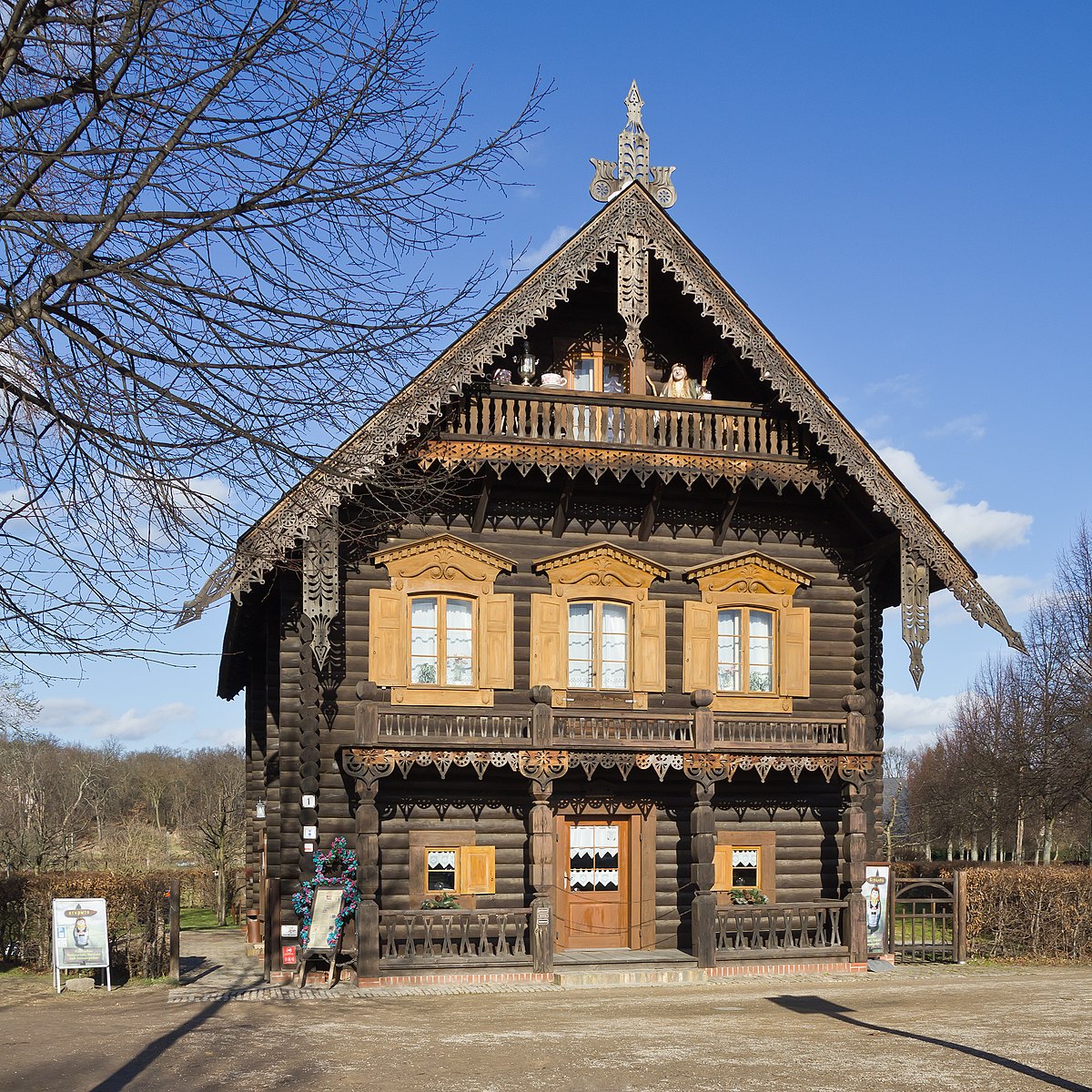
Alexandrowka
📍 Brandenburg, Germany
Located in the picturesque city of Potsdam, Germany, Alexandrowka is an intriguing architectural ensemble that reflects a unique blend of Russian and …

Alte Burg Penzlin
📍 Brandenburg, Germany
Alte Burg Penzlin, a captivating castle located in the quaint town of Penzlin, Germany, serves as a remarkable example of medieval architecture and …

Alte Dorfkirche Röxe
📍 Brandenburg, Germany
The Alte Dorfkirche Röxe stands as a poignant symbol of architectural and cultural history in the Stendal region of Germany. This church building, …
More Factories
A. Heucke
📍 Lower Saxony, Germany
A. Heucke, located in the historic town of Gatersleben in Germany’s Seeland region, represents a significant chapter in the story of industrial …
Adam Opel AG Werk Bochum I
📍 Lower Saxony, Germany
The Adam Opel AG Werk Bochum I, located in Germany, represents a significant chapter in the history of industrial production. This former production …
Adam Opel AG Werke Bochum II/III
📍 Lower Saxony, Germany
Adam Opel AG Werke Bochum II/III is a distinguished factory located in Germany, playing a significant role in the automotive industry. This site is …
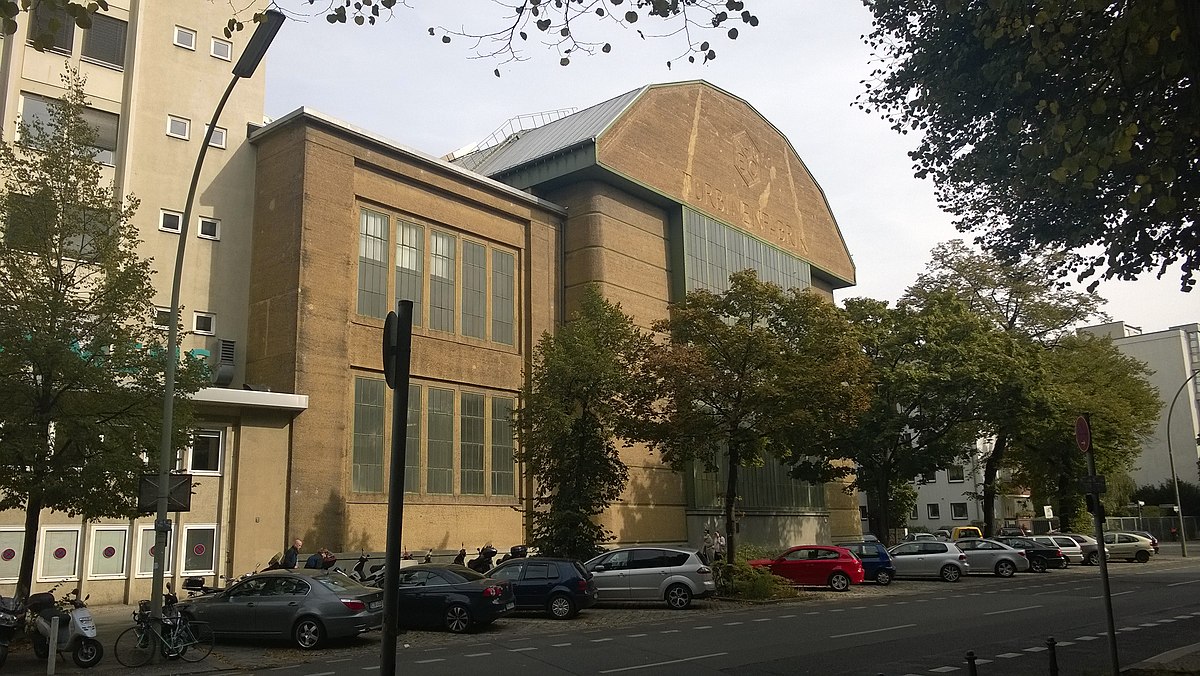
AEG's Turbine factory
📍 Berlin, Germany
The AEG Turbine Factory, an iconic structure in Berlin’s Bezirk Mitte, is a significant landmark that reflects the industrial heritage of the city. …
AKA-Radiergummifabrik
📍 Lower Saxony, Germany
The AKA-Radiergummifabrik, a significant former factory located in Hannover, Germany, offers a unique glimpse into the industrial past of the region. …

Alte Malzfabrik
📍 Lower Saxony, Germany
Alte Malzfabrik, located in Mülheim an der Ruhr, Germany, is an intriguing factory site that encapsulates the industrial heritage of the region. This …