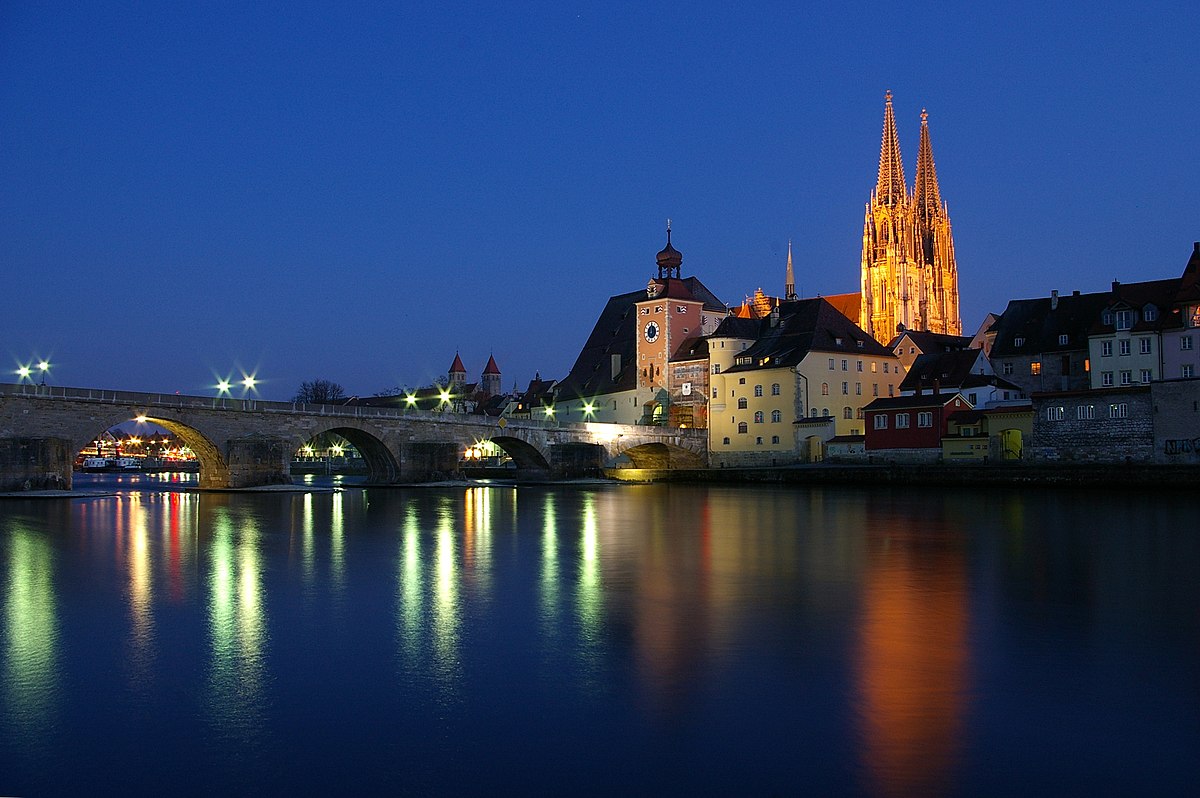
Old town of Regensburg with Stadtamhof
Overview
The Old Town of Regensburg with Stadtamhof is a UNESCO World Heritage site that captivates visitors with its blend of medieval charm and vibrant modern life. Located in the heart of Bavaria, Germany, Regensburg’s old town reflects centuries of history and cultural evolution. The city is situated at the confluence of the Danube, Naab, and Regen rivers, making it not only a strategic trade hub in the past but also a picturesque setting for exploration today.
Regensburg’s significance lies in its well-preserved medieval architecture and its role as an important center of commerce and governance throughout the ages. The old town is characterized by its narrow cobblestone streets, historic buildings, and lively squares that invite both leisurely strolls and deeper exploration. The atmosphere is enhanced by the presence of local cafes and shops, creating a vibrant urban scene against the backdrop of rich heritage.
Visitors to Regensburg can expect an immersive experience, where the past meets the present. With its stunning architecture and historical significance, the Old Town of Regensburg with Stadtamhof promises to enchant, educate, and inspire those who walk its streets.
History and Significance
The Old Town of Regensburg is one of Germany’s best-preserved medieval cities, holding a prominent place in European history. Established as a Roman settlement, Regensburg, known as “Castra Regina,” served as a vital military and trade post. Throughout the Middle Ages, it evolved into a prominent urban center, known for its wealth and political influence.
During the 12th century, Regensburg flourished as a commercial hub, with merchants and artisans contributing to its growth. The city’s importance was further solidified when it became the seat of the Imperial Diet, a gathering of German princes and nobles to discuss matters of state. This role not only elevated Regensburg’s status but also allowed it to become a melting pot of ideas and cultures.
The architecture of the Old Town reflects this rich history, with structures that showcase various styles from Roman to Gothic and Baroque influences. Noteworthy buildings, such as the Regensburg Cathedral and the Stone Bridge, are prime examples of the city’s architectural evolution. The integration of Stadtamhof, located across the Danube, adds to the town’s historical narrative, highlighting its significance as a commercial and residential area since the medieval period.
Today, the Old Town is recognized for its cultural importance and is a focal point for tourism in the region. Its designation as a World Heritage site underscores its value, emphasizing the need for preservation and appreciation of this historical treasure.
Architecture and Features
Walking through the Old Town of Regensburg with Stadtamhof is akin to traversing an open-air museum. The architectural diversity showcases the city’s evolution over centuries, with buildings that tell stories of different eras.
One of the most iconic structures is the Regensburg Cathedral, a masterpiece of Gothic architecture. Its twin spires dominate the skyline and are visible from various vantage points throughout the city. Inside, visitors can marvel at intricate stained glass windows and the stunning craftsmanship that defines this sacred space.
The Stone Bridge, another significant landmark, dates back to the 12th century and exemplifies medieval engineering prowess. Spanning the Danube River, it served as a crucial link for trade and travel, facilitating the economic growth of the region. The bridge’s arches and robust construction reflect the architectural styles of its time.
The narrow streets of Regensburg are lined with well-preserved buildings, many of which date back to the Middle Ages. The facades feature colorful plasterwork, decorative elements, and charming window boxes that add to the town’s character. Historic squares, such as the Neupfarrplatz, are lively gathering spots, often hosting markets and events that celebrate local culture.
Stadtamhof, with its quaint charm, offers a different perspective on Regensburg’s history. The area features picturesque streets and buildings that reflect a more residential aspect of the town’s past. The combination of these architectural features contributes to the overall allure of Regensburg, inviting exploration and discovery at every turn.
Visiting Information
Visitors to the Old Town of Regensburg with Stadtamhof will find a range of options for getting there and exploring the area. The old town is easily accessible by public transportation, with several bus and tram lines serving the region. Additionally, for those traveling by car, parking areas are available outside the historic center, but it is advisable to check for any restrictions.
While exploring the area, visitors can expect to spend a few hours wandering through the charming streets, soaking in the architecture, and perhaps enjoying a meal at one of the local eateries. The best times to visit are during the spring and summer months when outdoor dining and events are more prevalent, although the fall also offers a beautiful backdrop with seasonal changes.
Check the official website for current information regarding opening hours and any potential entrance fees for significant attractions within the old town. Depending on personal interests, allocating a half-day to a full day for exploration is recommended to fully appreciate the history and ambiance of Regensburg.
Nearby Attractions
Regensburg is surrounded by several attractions that complement a visit to the Old Town. Here are a few noteworthy places to consider:
Walhalla Memorial: Located just a short drive from Regensburg, this impressive hall honors notable figures in German history and offers stunning views of the Danube River.
Thurn und Taxis Palace: This baroque palace, once the residence of the influential Thurn und Taxis family, features beautiful gardens and guided tours that provide insight into its rich history.
St. Emmeram’s Abbey: A former Benedictine monastery, this site is known for its beautiful church and historical significance, making it an interesting stop for history enthusiasts.
The Danube River: A leisurely stroll along the riverbanks offers scenic views of both the Old Town and Stadtamhof, perfect for a relaxing afternoon.
Regensburg Museum of History: For those interested in delving deeper into the city’s past, this museum showcases artifacts and exhibits that highlight Regensburg’s historical journey.
Insider Tips
For photography enthusiasts, the best times to capture the beauty of Regensburg are during the early morning or late afternoon when the light is soft and warm. The Stone Bridge offers picturesque views, especially at sunrise or sunset, while the narrow streets can provide unique angles for capturing the essence of the old town.
To avoid crowds, consider visiting on weekdays, particularly during the off-peak season. While weekends can be lively, weekdays often allow for a more leisurely experience with fewer tourists.
Practical Information
When visiting the Old Town of Regensburg with Stadtamhof, it is advisable to wear comfortable shoes, as the cobblestone streets can be uneven and require some walking. Additionally, bringing a reusable water bottle is practical, as many cafes and restaurants offer water refills.
Seasonal considerations should also be taken into account; summers can be warm, while winters may bring cold temperatures. Layering clothing is recommended, especially in transitional seasons, to ensure comfort throughout the day.
Frequently Asked Questions
How long should I spend visiting?
A half-day to a full day is recommended to fully explore the Old Town and appreciate its historical significance.
Is photography allowed?
Yes, photography is generally allowed in public spaces. However, check for any restrictions in specific buildings or exhibitions.
Are there guided tours?
Yes, guided tours are available, providing deeper insights into the history and architecture of the Old Town.
What’s the best time to visit?
Spring and summer are ideal for outdoor activities, but fall offers beautiful scenery and fewer crowds.
Is it wheelchair accessible?
Many areas of the Old Town have cobblestone streets, which may pose challenges for wheelchair users. Check specific sites for accessibility options.
Can I buy tickets online?
Check the official website for information regarding ticket purchases for specific attractions.
Are there restrooms and cafes?
Yes, public restrooms are available, and numerous cafes and restaurants can be found throughout the area.
What should I wear?
Comfortable clothing and shoes are recommended, especially for walking on cobbled streets. Dress in layers to accommodate changing weather.
More in Bavaria

8. November 1939 (Denkmal)
📍 Bavaria, Germany
The 8. November 1939 (Denkmal) stands as a poignant monument in Munich, Germany, marking a significant moment in the nation’s history. Dedicated to …

Abbey of St. Nikola in Passau
📍 Bavaria, Germany
The Abbey of St. Nikola in Passau stands as a significant religious and cultural landmark in this historic German city. Located at coordinates …

Abensbergerdenkmal
📍 Bavaria, Germany
The Abensbergerdenkmal, a notable monument located in Freising, Upper Bavaria, Germany, serves as an evocative reminder of the region’s historical and …
Abrechen (München)
📍 Bavaria, Germany
Abrechen in München is a bridge that plays a significant role in the connectivity of this bustling German city. Located at coordinates 48.1357, …
Abschnittsbefestigung Andechs
📍 Bavaria, Germany
The Abschnittsbefestigung Andechs, a striking castle located in the scenic region of Andechs, Germany, offers a fascinating glimpse into the …
Abschnittsbefestigung im Taitinger Holz
📍 Bavaria, Germany
The Abschnittsbefestigung im Taitinger Holz represents an intriguing chapter in Germany’s medieval architectural narrative. Located in Bavaria, this …
More Old Towns
Aegidienfreiheit
📍 Lower Saxony, Germany
Aegidienfreiheit is an intriguing old town located in Brunswick, Germany, characterized by its unique blend of historical architecture and vibrant …

Alt-Berlin
📍 Berlin, Germany
Alt-Berlin, located in the Bezirk Mitte of Berlin, Germany, is a captivating old town that serves as a reminder of the city’s rich history and …
Alt-Saarbrücken
📍 Rhineland-Palatinate, Germany
Alt-Saarbrücken, the old town of Saarbrücken, Germany, offers a glimpse into the historical fabric of the region. With its cobblestone streets and …

Altona-Altstadt
📍 Hamburg, Germany
Altona-Altstadt, a captivating old town within the district of Altona in Hamburg, Germany, is a unique fusion of historical significance and vibrant …

Altstadt
📍 Hesse, Germany
Altstadt, the historic old town of Mainz, Germany, serves as a vibrant cultural hub where the past and present converge. With its charming cobblestone …
Altstadt (Herford)
📍 Lower Saxony, Germany
The Altstadt of Herford draws visitors into a compelling blend of history and culture, showcasing the charm of this old town in Germany. With its …