
Olaf-Gulbransson-Museum Tegernsee
Overview
The Olaf-Gulbransson-Museum in Tegernsee, Germany, serves as a dedicated space for the vibrant works of Olaf Gulbransson, a notable figure in the world of art. Situated in the picturesque region of Upper Bavaria, this museum not only showcases the artist’s contributions but also reflects the cultural milieu of the area. Visitors can immerse themselves in a collection that captures the essence of early 20th-century art, exploring themes that resonate with both historical and contemporary significance.
Tegernsee itself is known for its serene landscapes and charming atmosphere, making it an ideal backdrop for an art museum. As you stroll through the exhibition spaces, you’ll discover the nuances of Gulbransson’s work, which often integrates humor and social commentary, offering a unique lens through which to appreciate the world around us. The museum is more than just a gallery; it is a cultural hub that invites art enthusiasts and casual visitors alike to engage with creativity in a meaningful way.
History and Significance
The Olaf-Gulbransson-Museum was established to honor the legacy of Olaf Gulbransson, who was born in Norway and later became a prominent artist in Germany. His works are characterized by a distinctive style that blends elements of expressionism with a keen observational eye for the human condition. The museum not only highlights his artistic journey but also situates his contributions within the broader context of European art movements of the time.
Gulbransson’s art often reflects the social dynamics of his era, making his pieces particularly relevant. He had a unique ability to infuse humor into his observations, which resonates strongly with audiences today. The museum serves as an important cultural institution, preserving and promoting the works of an artist whose influence continues to be felt in the art world. Through exhibitions and educational programs, the Olaf-Gulbransson-Museum aims to foster a deeper understanding of art and its role in society.
In addition to featuring Gulbransson’s works, the museum often hosts temporary exhibitions that explore various aspects of art and culture, further enriching the visitor experience. This commitment to cultural exchange and education underscores the museum’s significance as a center for artistic dialogue and appreciation in the Tegernsee region.
Architecture and Features
The architectural design of the Olaf-Gulbransson-Museum complements its artistic mission. While specific details about the structure are not available, the museum’s location in Tegernsee suggests a harmonious integration with its surroundings, reflective of traditional Bavarian architecture. The building is likely designed to be both functional and aesthetically pleasing, providing an inviting atmosphere for visitors.
Inside, the museum features dedicated exhibition spaces that allow for a diverse presentation of Gulbransson’s works. The layout is designed to facilitate an engaging experience, encouraging visitors to explore the pieces at their own pace. The careful curation of artworks is complemented by thoughtful lighting and spatial arrangements, enhancing the visual impact of each piece.
The museum also likely provides areas for educational programming, including workshops and lectures that further explore the themes present in Gulbransson’s art. Such features contribute to the museum’s role as a cultural hub, where the community can engage with art in various forms.
Visiting Information
Reaching the Olaf-Gulbransson-Museum is straightforward, with various transport options available for visitors traveling to Tegernsee. Whether arriving by car or public transport, the museum is easily accessible, allowing for a convenient visit.
Check the official website for current information on hours and prices, as these can vary throughout the year. Visitors can expect to spend a few hours exploring the museum’s collection, taking in the artworks and participating in any available programs. The museum’s environment encourages leisurely appreciation of art, making it a perfect stop for those looking to immerse themselves in culture.
The best times to visit are typically during weekdays when the crowds are lighter, allowing for a more intimate experience with the artworks. Special events or exhibitions may attract larger crowds, so planning ahead is advisable.
Nearby Attractions
The Tegernsee region is rich in attractions that complement a visit to the Olaf-Gulbransson-Museum. Here are a few noteworthy places to consider:
Lake Tegernsee: This picturesque lake offers opportunities for walking, boating, and enjoying the natural beauty of the area.
Tegernsee Abbey: A historic site that provides insight into the region’s monastic heritage, featuring stunning architecture and serene gardens.
Wallberg Mountain: A popular destination for hiking, offering panoramic views of the lake and surrounding landscapes.
Schwaz Silver Mine: Located a short drive away, this historical site provides a fascinating glimpse into the region’s mining history.
Local Cuisine: Explore traditional Bavarian eateries in Tegernsee, where you can savor regional specialties after your museum visit.
Insider Tips
To enhance your experience at the Olaf-Gulbransson-Museum, consider these insider tips:
Photography: Be mindful of the museum’s policies regarding photography. Some exhibitions may have restrictions, so it’s best to check before snapping any pictures.
Timing Your Visit: To avoid larger crowds, consider visiting during the morning or late afternoon. This allows for a more personal interaction with the art and potentially a quieter atmosphere.
Practical Information
When planning your visit to the Olaf-Gulbransson-Museum, keep the following practical considerations in mind:
What to Bring: Comfortable shoes are advisable, as you may want to spend considerable time walking through the exhibitions. Additionally, bringing a notebook can be helpful for jotting down thoughts or reflections on the artworks.
Seasonal Considerations: Depending on the time of year, the museum may host special exhibitions or events. Check the official website for seasonal offerings and any unique programs that may enhance your visit.
Frequently Asked Questions
How long should I spend visiting?
Most visitors find that a duration of around two to three hours is sufficient to appreciate the exhibits fully.
Is photography allowed?
Policies regarding photography may vary by exhibition, so it’s best to check the guidelines when you arrive.
Are there guided tours?
Check the official website for information on any available guided tours, as these can provide deeper insights into the artworks.
What’s the best time to visit?
Weekdays typically offer a quieter experience, while weekends may attract larger crowds.
Is it wheelchair accessible?
Accessibility features are generally available; however, it’s advisable to confirm specific accommodations through the official website.
Can I buy tickets online?
Check the official website for options regarding ticket purchases and any potential discounts.
Are there restrooms and cafes?
Visitor amenities, including restrooms, are usually available; check the website for details on dining options.
What should I wear?
Dress comfortably, considering the season and any activities you may engage in around Tegernsee.
Visiting the Olaf-Gulbransson-Museum is an enriching experience that combines appreciation for art with the beauty of the Bavarian landscape, making it a worthwhile destination for any cultural traveler.
More in Bavaria

8. November 1939 (Denkmal)
📍 Bavaria, Germany
The 8. November 1939 (Denkmal) stands as a poignant monument in Munich, Germany, marking a significant moment in the nation’s history. Dedicated to …

Abbey of St. Nikola in Passau
📍 Bavaria, Germany
The Abbey of St. Nikola in Passau stands as a significant religious and cultural landmark in this historic German city. Located at coordinates …

Abensbergerdenkmal
📍 Bavaria, Germany
The Abensbergerdenkmal, a notable monument located in Freising, Upper Bavaria, Germany, serves as an evocative reminder of the region’s historical and …
Abrechen (München)
📍 Bavaria, Germany
Abrechen in München is a bridge that plays a significant role in the connectivity of this bustling German city. Located at coordinates 48.1357, …
Abschnittsbefestigung Andechs
📍 Bavaria, Germany
The Abschnittsbefestigung Andechs, a striking castle located in the scenic region of Andechs, Germany, offers a fascinating glimpse into the …
Abschnittsbefestigung im Taitinger Holz
📍 Bavaria, Germany
The Abschnittsbefestigung im Taitinger Holz represents an intriguing chapter in Germany’s medieval architectural narrative. Located in Bavaria, this …
More Art Museums

Aachen Cathedral Treasury
📍 North Rhine-Westphalia, Germany
Aachen Cathedral Treasury, located in the historic city of Aachen, Germany, is a remarkable art museum that houses an impressive collection of …

Abteiberg Museum
📍 North Rhine-Westphalia, Germany
In the heart of Mönchengladbach, Germany, the Abteiberg Museum stands out as a prominent destination for art enthusiasts and cultural explorers alike. …

Akademisches Kunstmuseum
📍 North Rhine-Westphalia, Germany
In the heart of Bonn, Germany, lies the Akademisches Kunstmuseum, an art museum that invites visitors to explore a diverse collection of artworks …

Albertinum
📍 Saxony, Germany
Albertinum is a prominent art museum located in the heart of Dresden, Germany, serving as a significant cultural institution in the region. …

Albrecht Dürer's House
📍 Bavaria, Germany
Albrecht Dürer’s House stands as a significant cultural landmark in Nuremberg, Germany, celebrating the life and work of one of the Renaissance’s most …
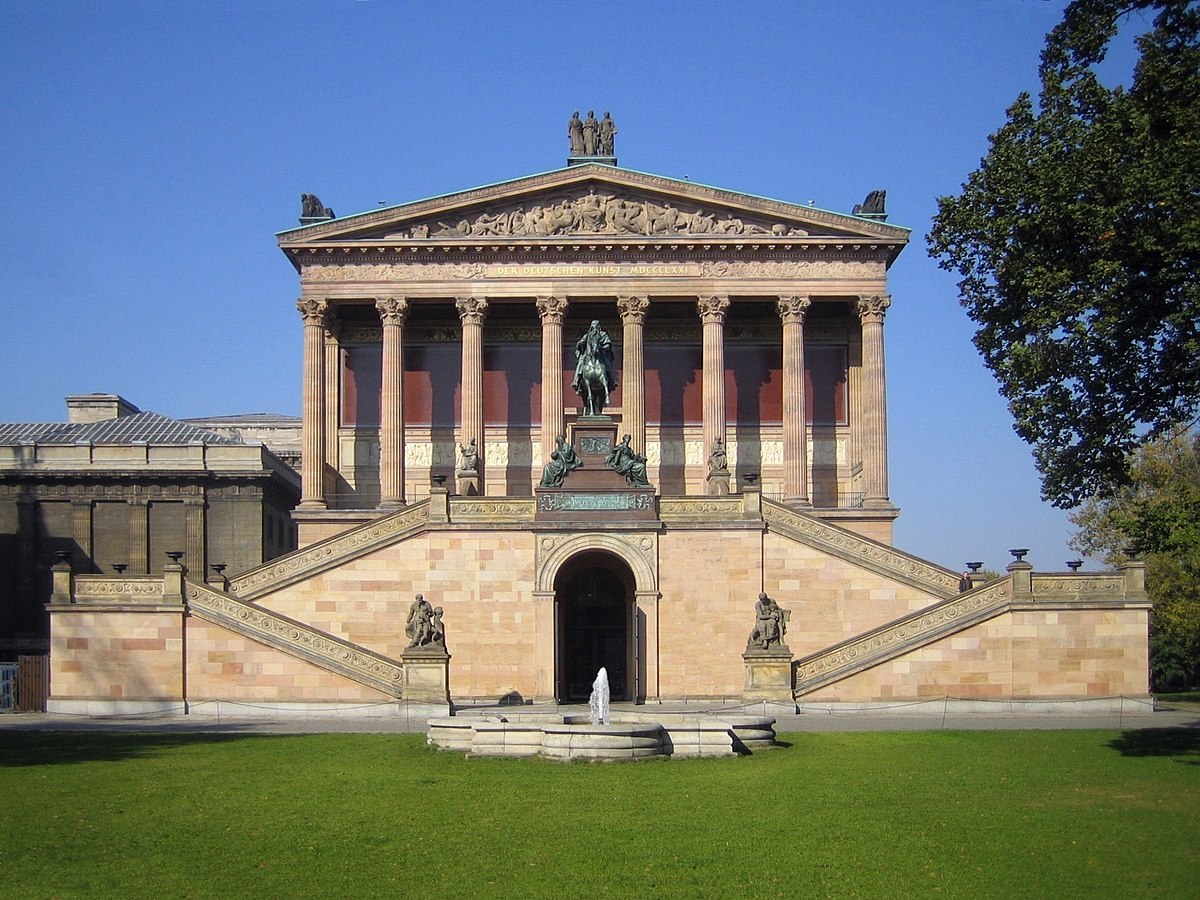
Alte Nationalgalerie
📍 Berlin, Germany
The Alte Nationalgalerie, an esteemed art museum located in Berlin’s Bezirk Mitte, is a cornerstone of cultural appreciation in Germany. This museum …