Overview
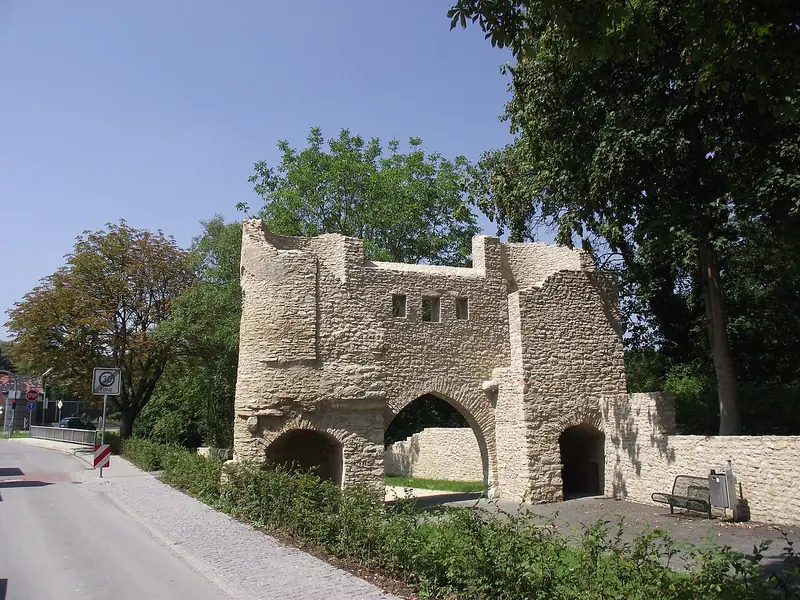
The Ohrenbrücker Tor is a historic city gate located in Ingelheim am Rhein, Germany. This architectural landmark is part of the city’s fortifications and serves as a testament to the region’s storied past. As visitors approach the gate, they are greeted by its robust structure, which has stood the test of time and continues to evoke a sense of the historical significance of the area. Ingelheim am Rhein, situated near the banks of the Rhine River, is not only known for its charming streets and vibrant culture but also for its historical landmarks, making Ohrenbrücker Tor a pivotal point of interest for travelers and history enthusiasts alike.
The significance of Ohrenbrücker Tor extends beyond its physical presence; it embodies the city’s defense strategies during historical conflicts. The gate is an integral part of Ingelheim’s urban landscape, providing insights into the fortifications that once protected the city. As you explore the area surrounding the gate, you will find a blend of historical and modern elements, showcasing the evolution of Ingelheim over the centuries. Whether you are an architecture aficionado, a history buff, or simply in search of a picturesque locale, the Ohrenbrücker Tor promises to enrich your experience in this captivating German city.
History and Significance
Ohrenbrücker Tor has deep historical roots, having served as a crucial part of Ingelheim’s city fortifications. The origins of the gate can be traced back to a time when city walls were essential for protection against invasions and attacks. Its strategic location allowed it to function as a key entry point into the city, controlling access and enhancing security.
Ingelheim itself has a rich history, with connections to various significant historical figures and events. The town was once the preferred residence of Charlemagne, the King of the Franks and later Emperor of the Romans. This connection adds a layer of cultural importance to the city and its fortifications, including the Ohrenbrücker Tor. The gate has witnessed the passage of time, from medieval conflicts to modern developments, and remains a silent observer of history.
The architectural style of the gate reflects the design principles of its era, showcasing the defensive needs of the time. Fortifications like the Ohrenbrücker Tor were not merely practical; they also carried symbolic weight, representing the power and resilience of the city. Today, the gate serves as a reminder of Ingelheim’s past, providing a physical connection to the historical narratives that shaped the region.
Architecture and Features
The Ohrenbrücker Tor is characterized by its imposing structure that reflects the defensive architecture of its time. The city gate is a prominent feature within the remnants of Ingelheim’s city wall, showcasing thick stone walls that were designed to withstand sieges. Made primarily from local materials, the gate exemplifies the craftsmanship of the period, with its robust construction method emphasizing durability and strength.
Visitors will notice the gate’s distinctive design elements, including its arched entrance that was not only functional but also aesthetically pleasing. The architecture incorporates strategic features such as narrow windows and arrow slits, which allowed defenders to protect the city while minimizing exposure. These features highlight the dual purpose of the gate: as a thoroughfare for citizens and as a defensive mechanism against potential threats.
Surrounding the gate, remnants of the city wall can still be seen, providing context for its original purpose. As you explore the area, you may come across various plaques and information boards that detail the history and significance of the gate and its role within the larger fortification system of Ingelheim. The combination of historical architecture and modern interpretation makes Ohrenbrücker Tor an intriguing site for visitors interested in the interplay between history and architecture.
Visiting Information
For those planning a visit to Ohrenbrücker Tor, Ingelheim am Rhein is accessible via various modes of transport. The city is well-connected by public transportation, including trains and buses that link it to nearby regions. Visitors arriving by car will find parking facilities within walking distance of the gate.
When visiting, it is advisable to check the official website for current information regarding operating hours and any potential entrance fees. This will ensure you have the most accurate and up-to-date details about your visit. Depending on your interests, you may want to allocate around an hour to fully appreciate the gate and its surrounding area, allowing time for photographs and exploration.
The best times to visit Ohrenbrücker Tor are during the spring and fall when the weather is mild, making for a pleasant experience. In addition, visiting during weekdays may help you avoid larger crowds, allowing for a more serene exploration of this historic site.
Nearby Attractions
Ingelheim am Rhein is home to several attractions that complement a visit to Ohrenbrücker Tor:
Kaiserpfalz Ingelheim: This former imperial palace is a short distance away and offers insight into the historical significance of the region during the Carolingian era.
Ingelheim Town Center: A vibrant area filled with shops, cafes, and restaurants, perfect for enjoying local cuisine and soaking in the lively atmosphere.
Rhein River Promenade: Stroll along the banks of the Rhine River, where you can enjoy scenic views and recreational opportunities.
Museum bei der Kaiserpfalz: This local museum showcases artifacts and exhibitions related to Ingelheim’s history, providing context and depth to your visit.
Nearby Vineyards: Explore the picturesque vineyards that dot the landscape around Ingelheim, offering wine tastings and a chance to learn about local viticulture.
Insider Tips
When visiting Ohrenbrücker Tor, consider the following tips to enhance your experience:
Photography: Early morning or late afternoon can provide the best lighting for photographs, with softer light enhancing the gate’s features. Look for angles that capture both the gate and its backdrop.
Crowd Avoidance: To avoid larger groups, aim to visit during weekdays or early in the morning. This will allow you to enjoy a quieter atmosphere while exploring the site.
Practical Information
As you prepare for your visit to Ohrenbrücker Tor, consider the following practical tips:
What to Bring: Comfortable walking shoes are recommended, as you may want to explore the surrounding area. A camera is also a must for capturing the site’s architectural beauty.
Seasonal Considerations: The region experiences a temperate climate, so dress accordingly for the season. Spring and fall tend to offer mild temperatures, while summer can be quite warm.
Hydration and Snacks: Bringing water and light snacks can be beneficial, especially if you plan to explore the nearby attractions. However, you will also find cafes and restaurants in the town center.
Frequently Asked Questions
How long should I spend visiting?
A visit to Ohrenbrücker Tor typically takes about an hour, allowing time for exploration, photography, and reading informational plaques.
Is photography allowed?
Yes, photography is allowed at Ohrenbrücker Tor, and it is encouraged to capture the gate’s architectural features.
Are there guided tours?
While there may not be specific guided tours for Ohrenbrücker Tor, local tourist information centers can provide insights and recommendations for self-guided exploration.
What’s the best time to visit?
The best times to visit are during the spring and fall when the weather is mild. Weekdays are often less crowded than weekends.
Is it wheelchair accessible?
Access may vary, and it is advisable to check the official website for current information on wheelchair accessibility at the site.
Can I buy tickets online?
Check the official website for details on ticket purchasing options, as this information may vary.
Are there restrooms and cafes?
While specific facilities near Ohrenbrücker Tor are not detailed, you can find restrooms and cafes in the nearby town center.
What should I wear?
Dress comfortably and in layers, especially if visiting during transitional seasons. Sturdy walking shoes are recommended for exploring the area.



