Overview
The Ohře River, a significant waterway flowing through Germany and the Czech Republic, invites exploration along its winding path. Originating in the Bohemian Forest, it travels through diverse landscapes before merging with the Elbe River. This river is not only vital for its ecological role but also for its cultural significance, having shaped the lives and livelihoods of the communities along its banks for centuries. The Ohře offers visitors a chance to engage with nature, understand local histories, and appreciate the natural beauty that defines this part of Central Europe.
As you embark on your journey along the Ohře, expect to encounter charming towns, lush greenery, and opportunities for outdoor activities. This river is more than just a body of water; it serves as a lifeline for the regions it traverses, providing a backdrop for both relaxation and adventure. With its intriguing blend of natural and cultural elements, the Ohře River stands out as a destination worth exploring.
History and Significance
The Ohře River has played an essential role in the history of the regions it flows through. Historically, rivers have been crucial for trade and transportation, and the Ohře is no exception. The river facilitated commerce between various settlements, enabling the exchange of goods and ideas. Its banks have witnessed the rise and fall of different cultures, each contributing to the river’s narrative.
Archaeological findings suggest that human activity along the Ohře dates back thousands of years, with evidence of settlements that utilized the river for sustenance and trade. The river’s significance is further highlighted by the emergence of towns such as Karlovy Vary, which developed due to the area’s natural hot springs and the river’s accessibility. This town, known for its spa culture, has attracted visitors seeking relaxation and healing, showcasing the river’s influence on tourism.
The Ohře is also a vital part of local ecosystems, supporting diverse flora and fauna. Its health is crucial not only for the wildlife that inhabits its banks but also for the communities relying on it for agriculture and recreation. Preservation efforts have been made to maintain the river’s ecological balance, emphasizing the importance of sustainable practices in the region.
Architecture and Features
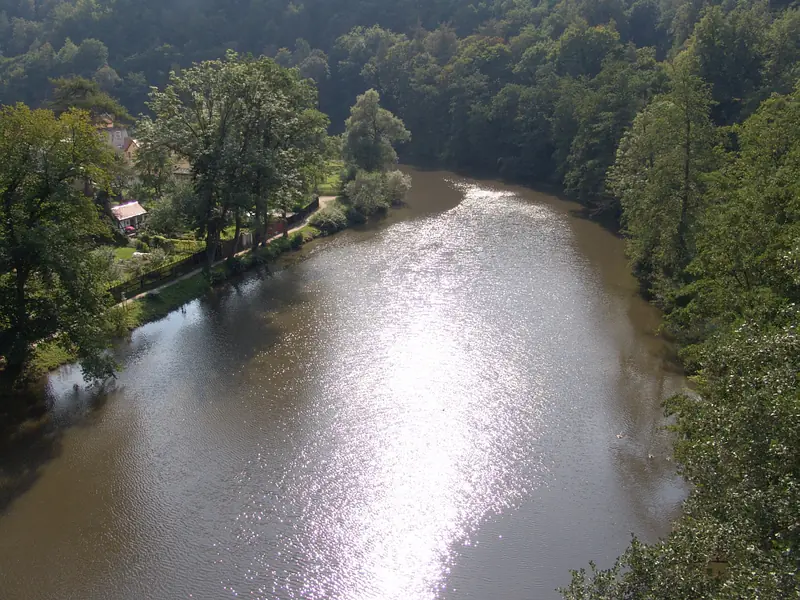
The Ohře River is characterized by its meandering flow, which is shaped by the surrounding landscapes. The riverbed varies in width and depth, creating diverse habitats for aquatic life. The banks are often lined with lush vegetation, providing a picturesque setting for leisurely walks and picnics.
As you explore the river, you will find several notable features that enhance its appeal. The landscape is punctuated by charming towns, historical structures, and natural formations. Bridge constructions along the river offer scenic vantage points for photography and contemplation. The architecture of the towns along the Ohře often reflects a blend of styles, showcasing influences from various periods in history.
One of the highlights near the Ohře is the presence of remnants from past eras, including fortifications and churches that tell stories of the region’s cultural heritage. These structures not only provide insight into the historical significance of the area but also enhance the scenic beauty of the riverbanks.
Visiting Information
Visiting the Ohře River offers a range of activities suitable for nature lovers and adventurers alike. While specific transport options may vary, access to the river is typically facilitated by local road networks. Visitors can arrive by car or public transport, depending on their starting point.
The river is ideal for various recreational activities, including hiking, cycling, and canoeing. Each season presents unique opportunities to experience the river differently. Spring and summer are particularly inviting for outdoor adventures, with warm weather encouraging exploration of the vibrant landscapes. Autumn colors add a picturesque quality to the scenery, while winter can bring a serene quietness to the region.
For detailed visiting hours and prices for specific activities or attractions along the Ohře, check the official website for current information. Plan to spend a few hours to a full day depending on your interests, whether you prefer a leisurely stroll, engaging in water sports, or visiting nearby towns.
Nearby Attractions
Karlovy Vary: Known for its thermal springs and spa culture, this town attracts visitors seeking relaxation and wellness.
Loket Castle: A stunning medieval castle overlooking the Ohře River, offering guided tours and insights into local history.
Chodov Natural Park: A nearby natural area perfect for hiking and enjoying the region’s biodiversity.
Hohenberg: A charming village that showcases traditional architecture and offers a peaceful retreat along the river.
Bergstadt: A historical mining town with unique architecture and cultural sites, reflecting the region’s industrial past.
Insider Tips
To capture the best photographs of the Ohře, consider visiting during the golden hours of early morning or late afternoon when the light is softer. Look for elevated viewpoints, such as bridges or hills, that provide a broader perspective of the river and its surroundings.
To avoid crowds, aim for weekdays or visit during the shoulder seasons of spring and fall. Early spring also offers opportunities to see blooming wildflowers along the riverbanks, enhancing the natural beauty of your visit.
Practical Information
When planning your visit to the Ohře, consider bringing along essentials such as water, snacks, and appropriate clothing for outdoor activities. A good pair of walking shoes is advisable, especially if you plan to hike along the river’s trails.
Seasonal considerations are important, as weather conditions can vary. Summers can be warm, making it ideal for water activities, while winters may bring colder temperatures. Always check the local weather forecast before heading out.
Frequently Asked Questions
How long should I spend visiting?
A visit can range from a few hours to an entire day, depending on your interests and planned activities along the river.
Is photography allowed?
Yes, photography is permitted, and many scenic spots along the Ohře offer excellent opportunities for capturing the landscape.
Are there guided tours?
Check local resources for information on guided tours that may be available along the river or in nearby towns.
What’s the best time to visit?
Spring and summer are popular for outdoor activities, while autumn offers beautiful foliage. Winter can be tranquil and peaceful.
Is it wheelchair accessible?
Accessibility may vary by specific locations along the river; check local resources for detailed information.
Can I buy tickets online?
For specific attractions, check the official website for current information on online ticket purchases.
Are there restrooms and cafes?
Facilities may be available in nearby towns, but it’s advisable to plan ahead and check local resources for specific locations.
What should I wear?
Dress in layers and wear comfortable shoes suitable for walking or hiking. Consider weather conditions when planning your outfit.



