Overview
The Oder River is a significant waterway in Central Europe, providing not just a natural resource but also a vital geographical and cultural connection between nations. Flowing from the Czech Republic and tracing the boundary between Poland and Germany, the Oder extends approximately 854 kilometers, making it one of the major rivers of the region. Its meandering course is not only a vital artery for trade and transportation but also a habitat for diverse flora and fauna, enhancing the ecological landscape of the area.
The river’s banks have witnessed centuries of history, with settlements, fortifications, and industries developing along its shores. Today, the Oder serves as a critical site for recreation and tourism, offering opportunities for boating, fishing, and hiking along its picturesque banks. As you explore the river, you will encounter a blend of natural beauty and cultural heritage, making it a unique destination that appeals to nature enthusiasts and history buffs alike.
History and Significance
The Oder River has played a pivotal role in shaping the history of Central Europe. Its origins trace back to the Czech Republic, where it begins its journey, and it has historically served as a natural boundary between various states and cultures. Along its banks, the river has been a witness to significant historical events, including conflicts and treaties that have defined the borders of modern-day Germany and Poland.
The river’s strategic location made it an important trade route throughout the centuries, facilitating commerce and cultural exchange. Towns and cities that sprang up along the Oder benefited economically from the passage of goods and people, fostering vibrant communities. The river’s significance is further enhanced by its role in regional agriculture, as the fertile lands surrounding its banks have supported farming for generations.
Culturally, the Oder has inspired artists, writers, and musicians, reflecting the rich heritage of the regions it traverses. The river not only serves as a physical boundary but also as a symbol of the shared histories and intertwined destinies of the nations it connects. From the medieval castles that dot its banks to the modern cities that thrive along its shores, the Oder remains a living testament to the enduring relationship between nature and human development.
Architecture and Features
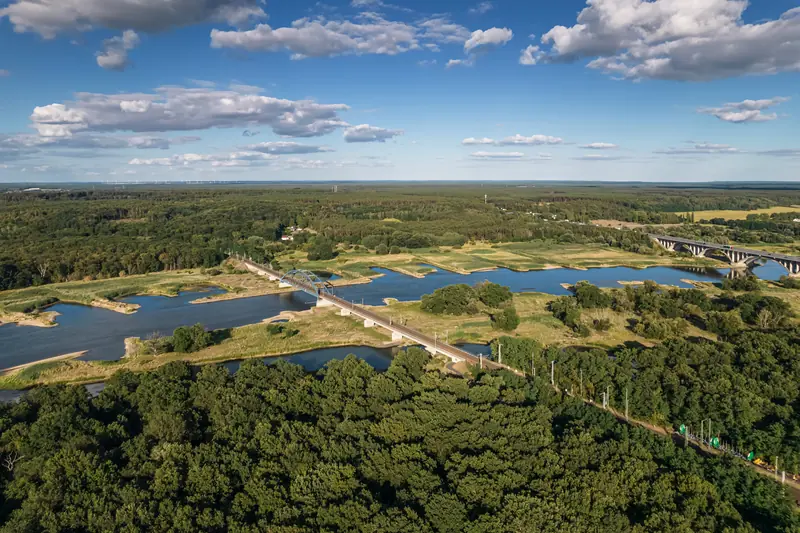
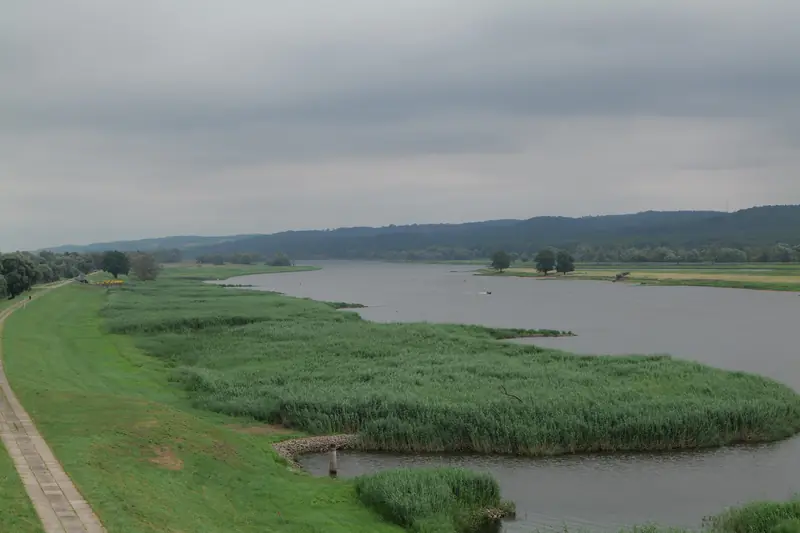
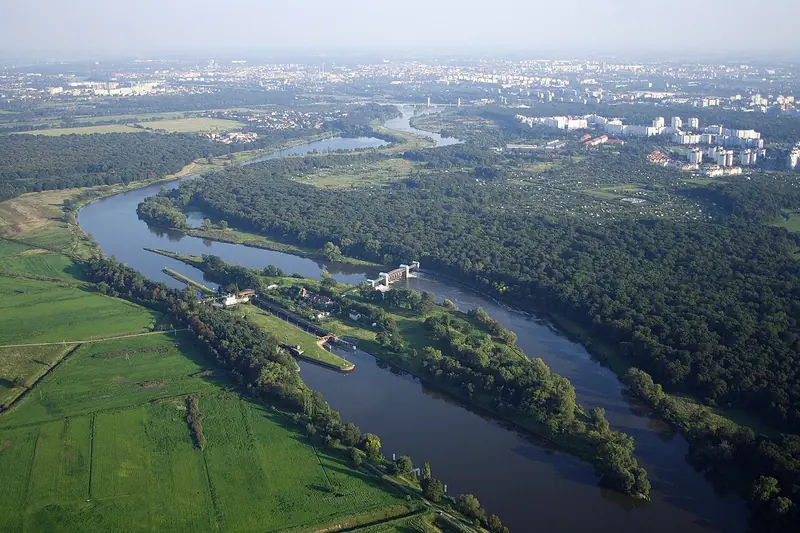
The Oder River is characterized by its diverse ecosystems and geographical features, which vary along its length. The river is flanked by lush greenery, wetlands, and urban landscapes, each contributing to its unique character. Along its course, you may encounter charming towns and historical sites that reflect the architectural styles of the regions through which it flows.
Notable features of the Oder include various bridges that connect its banks, showcasing engineering prowess from different eras. These structures not only facilitate transportation but also offer scenic spots for viewing the river’s flow and the surrounding landscapes. The river itself is wide in certain areas, providing ample space for recreational activities such as kayaking and fishing.
The Oder is also a critical habitat for wildlife, making it an appealing destination for nature lovers. Birdwatchers can delight in observing migratory species that flock to the wetlands and riverbanks. The combination of natural beauty and architectural landmarks creates an environment that is both serene and historically significant.
Visiting Information
When planning a visit to the Oder River, consider how to best experience its offerings. The river is accessible by various means of transportation, including trains and buses that connect to towns along its banks. For those driving, well-maintained roads run parallel to the river, providing easy access to scenic viewpoints and recreational areas.
Check the official website for current information regarding facilities and activities available at specific locations along the river. Whether you’re interested in hiking, cycling, or simply enjoying a leisurely stroll along the water’s edge, there are countless opportunities to immerse yourself in the natural beauty of the area.
Expect to spend several hours exploring the river and its surroundings, particularly if you plan to engage in outdoor activities. The best times to visit are during the warmer months when the weather is conducive to outdoor exploration and when the flora and fauna are most vibrant.
Nearby Attractions
While the Oder River itself is a significant attraction, several nearby sites enhance the experience for visitors:
Szczecin: This Polish city, located near the river’s mouth, is known for its rich maritime history and impressive architecture, including the Pomeranian Dukes’ Castle.
Frankfurt (Oder): On the German side, this city offers historical sites, museums, and cultural events that reflect its heritage along the river.
Warta National Park: Located not far from the Oder, this park is a haven for wildlife and offers trails for hiking and birdwatching.
Ujście Warty National Park: This park is known for its wetlands and diverse ecosystems, providing additional opportunities for outdoor activities and wildlife observation.
Küstrin Fortress: A historic site that showcases the remnants of a fortress, offering insights into the region’s military history.
Insider Tips
For those looking to capture the beauty of the Oder River through photography, early mornings or late afternoons provide soft lighting ideal for stunning landscapes. Bring a tripod for stability during low light conditions, especially if you wish to photograph the river at dusk.
To avoid crowds, consider visiting during weekdays or during off-peak seasons, as weekends can attract more visitors. Also, explore less frequented spots along the riverbank to find tranquil areas for reflection and photography.
Practical Information
When preparing for your visit to the Oder River, pack essentials such as comfortable walking shoes, a refillable water bottle, and weather-appropriate clothing. Depending on the season, consider bringing sun protection or rain gear, as conditions can be variable.
If you plan to engage in activities such as kayaking or fishing, ensure that you have the necessary equipment or inquire about rentals available in the area.
Frequently Asked Questions
How long should I spend visiting?
A few hours are recommended for a basic visit, but a full day allows for more in-depth exploration and activities along the river.
Is photography allowed?
Yes, photography is permitted along the river, with many scenic spots ideal for capturing the landscape.
Are there guided tours?
Check the official website for information on guided tours that may be available in the area.
What’s the best time to visit?
The warmer months are best for outdoor activities, offering comfortable weather to explore the area along the river.
Is it wheelchair accessible?
Accessibility varies by location along the river. Check specific sites for detailed accessibility information.
Can I buy tickets online?
Ticketing information will depend on specific attractions along the river. It’s advisable to check the official website for current options.
Are there restrooms and cafes?
Facilities vary along the river. Larger towns and cities near the Oder typically have restrooms and cafes.
What should I wear?
Dress comfortably for outdoor activities, and consider layering clothing to adapt to changing weather conditions.
Photo Gallery