Overview
Obertor, a historic city gate in Neuss, Germany, serves as a remarkable entry point into the past. As one of the city’s ancient fortifications, it embodies the architectural and cultural heritage of the region. Its strategic importance throughout history has made it a key feature in the urban landscape, offering visitors a glimpse into the defensive systems that once protected this bustling city. Situated at coordinates 51.1945, 6.69832, Obertor is not only a vital piece of Neuss’s history but also an engaging site for those interested in medieval architecture and urban planning.
Positioned in the heart of Neuss, Obertor stands as a reminder of the city’s storied past and its evolution over the centuries. The gate’s presence draws attention from both history enthusiasts and casual tourists alike, promising a unique exploration of the historic city’s defensive architecture. Visitors can expect to immerse themselves in the narratives of the past, as well as appreciate the craftsmanship that has endured through the ages.
History and Significance
The history of Obertor is entwined with the development of Neuss, a city with roots tracing back to Roman times. While specific dates of construction are not detailed, the gate’s existence reflects the medieval need for fortifications in urban settings. During a period marked by frequent conflicts and territorial disputes, city gates like Obertor were essential for protection against invasions.
As a part of Neuss’s defensive system, Obertor played a pivotal role in safeguarding the city and its inhabitants. The gate not only served a military purpose but also facilitated trade and movement, acting as a portal between the bustling life within the city walls and the external world. This dual function highlights the significance of urban gates in historical contexts, where they were crucial for both security and commerce.
Obertor stands as a vital link to Neuss’s heritage, showcasing the architectural styles and defensive innovations of the time. Its preservation allows contemporary visitors to appreciate the historical narrative of the city and its ongoing journey through various cultural influences. While the exact details of its historical significance are less defined, the gate remains a focal point for understanding the broader themes of urban defense and community development in medieval Germany.
Architecture and Features
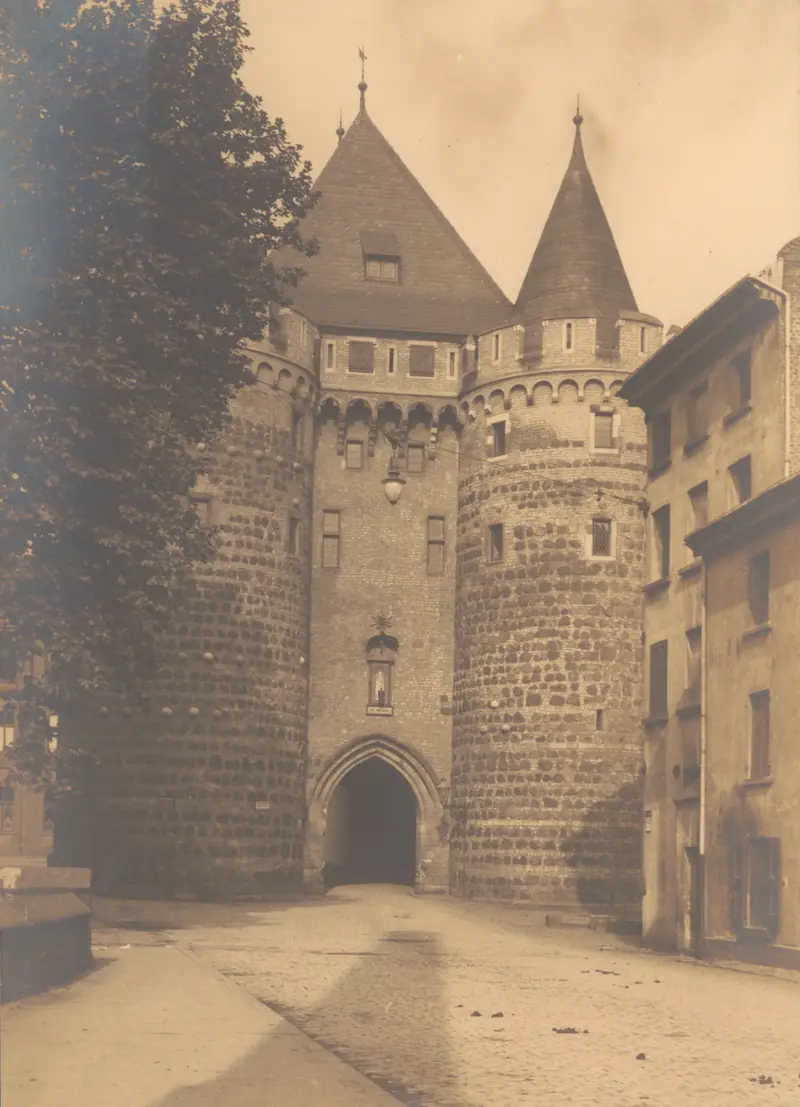
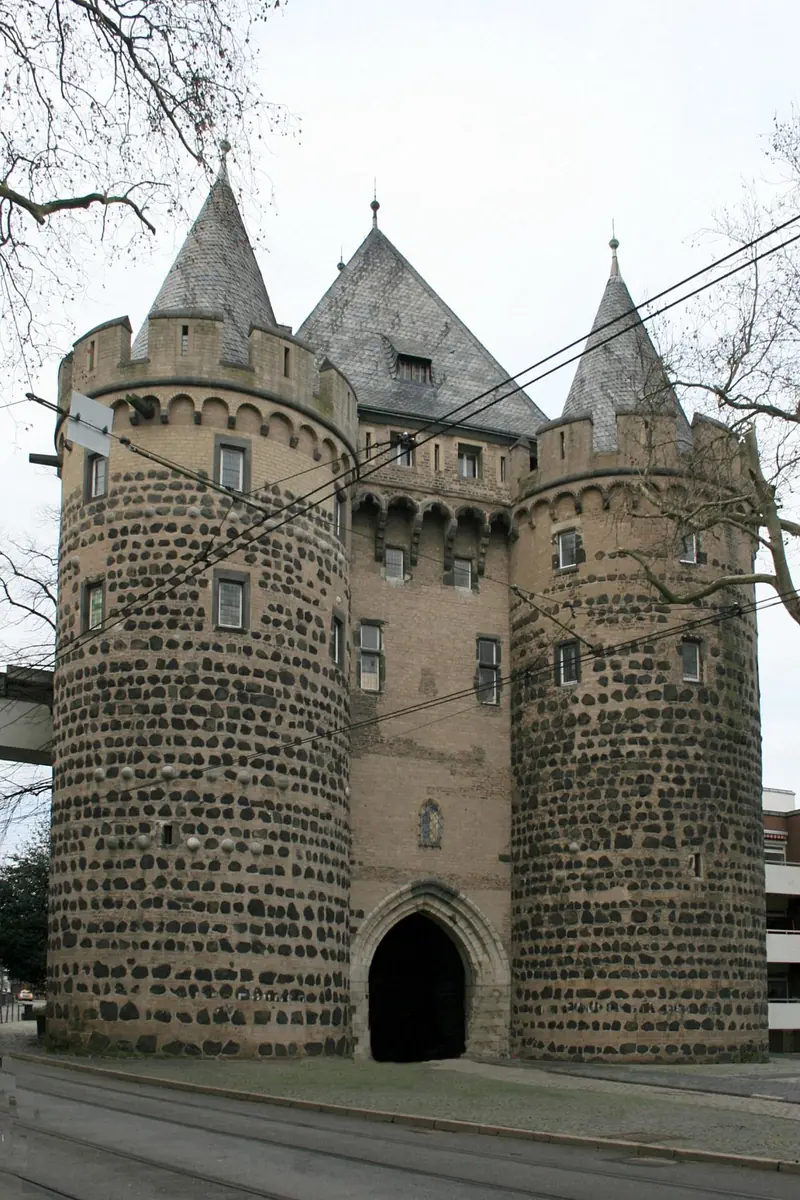
Obertor is characterized by its robust construction, typical of medieval fortifications. The architecture reflects the practical needs of the time, combining functionality with a sense of grandeur that speaks to the importance of the gate in the urban layout. The design of Obertor incorporates features commonly found in city gates, such as thick stone walls and an arched entrance, aimed at deterring potential invaders.
The structure’s scale is impressive, with considerable height and width that not only served as a formidable barrier but also as a symbolic entry point into the city. While specific measurements are not available, the overall design contributes to the gate’s imposing presence. Visitors can observe the craftsmanship of the masonry and the careful attention to detail that has allowed it to withstand the test of time.
Notable features of Obertor include the remnants of defensive mechanisms that may have been part of the gate’s original structure. These elements offer insight into the technological advancements of the period, showcasing how architectural design evolved in response to military needs. The gate’s location within the city adds to its significance, as it marks the transition from the fortified area to the urban environment of Neuss, allowing for a fascinating exploration of the relationship between architecture and urban planning.
Visiting Information
Visiting Obertor offers an engaging experience for those interested in history and architecture. The site is accessible via various modes of transport available in Neuss. For those traveling by public transport, local buses and trains connect to the city center, making it convenient to reach the gate. Parking facilities may also be available nearby for those arriving by car.
When planning your visit, it is advisable to check the official website for current information regarding opening hours and any potential entry fees. The time required to explore Obertor can vary depending on individual interests, but a visit typically lasts around one to two hours. This allows ample time to appreciate the gate’s architecture and take in its historical context.
The best times to visit Obertor are during the spring and fall months when the weather is generally mild, enhancing the overall experience. Early mornings or late afternoons tend to be less crowded, providing visitors with a more tranquil atmosphere to enjoy the site.
Nearby Attractions
While in Neuss, visitors can explore several nearby attractions that complement a trip to Obertor:
St. Quirinus Church - This impressive neo-Gothic church is known for its stunning architecture and beautiful stained glass windows, located close to Obertor.
Neuss City Museum - A place to delve deeper into the history of Neuss, this museum features exhibits that highlight the city’s cultural evolution over the centuries.
Rheinpark - A picturesque park along the Rhine River, perfect for a leisurely walk or a picnic, offering scenic views and a chance to relax.
Kaiserplatz - A lively square that often hosts events and markets, providing a glimpse into the contemporary life of Neuss while surrounded by historical buildings.
The Roman Museum - Showcasing artifacts from the Roman era, this museum highlights Neuss’s ancient roots and the city’s significance during Roman times.
Insider Tips
For photography enthusiasts, Obertor presents a unique opportunity to capture historical architecture. Early mornings or late afternoons provide the best natural light, enhancing the details of the stonework. Additionally, try to frame the gate with surrounding elements of the city to provide context in your shots.
To avoid crowds, consider visiting during weekdays or outside of peak tourist seasons. This will allow for a more intimate experience when exploring the gate and its surroundings.
Practical Information
When visiting Obertor, it is advisable to bring comfortable walking shoes, as the area may require some walking to fully appreciate the gate and nearby attractions. A water bottle can also be handy, especially during warmer months.
Seasonal considerations may affect your visit; spring and fall generally offer the most pleasant weather. However, be prepared for potential rain, as the region can experience unpredictable weather patterns. Always check the forecast ahead of your visit to ensure a comfortable experience.
Frequently Asked Questions
How long should I spend visiting?
A visit to Obertor typically lasts between one to two hours, depending on your interest in exploring the architecture and historical context.
Is photography allowed?
Yes, photography is generally permitted, allowing visitors to capture the beauty of the gate and its surroundings.
Are there guided tours?
While specific guided tour information is not provided, you may find local tour options through the city’s visitor center or tourism websites.
What’s the best time to visit?
The best times to visit are during the spring and fall months, when the weather is mild, and crowds are typically smaller.
Is it wheelchair accessible?
Accessibility details are not specified, so checking ahead for any potential mobility concerns is advisable.
Can I buy tickets online?
Check the official website for details on ticket purchasing options and current entry fees.
Are there restrooms and cafes?
Information about amenities such as restrooms and cafes is not provided, so it’s best to plan accordingly.
What should I wear?
Dress comfortably and appropriately for the weather conditions, as you may be walking or spending time outdoors.
Photo Gallery