
Oase
Overview
Oase, a unique architectural ensemble located in Essen, Germany, offers visitors a glimpse into the innovative designs of modern architecture. Originally a swimming pool, Oase has transformed into a striking example of adaptive reuse, reflecting the dynamic evolution of urban spaces. Its location within the Ruhr area, a region known for its industrial heritage, adds to the significance of this site, marking the intersection of history and contemporary architectural practices.
This site stands out not just for its design but also for its role in revitalizing the surrounding community. Oase serves as a cultural hub, promoting various events and activities that engage both locals and tourists alike. Visitors to Oase can expect a space that challenges conventional notions of architecture and public engagement. The site invites exploration and interaction, making it a compelling destination for those interested in cultural heritage and modern design.
History and Significance
The history of Oase is tied to the broader narrative of urban development in Essen and the Ruhr region. This area underwent significant transformation during the post-industrial era, transitioning from an industrial powerhouse to a center for cultural innovation. Oase symbolizes this shift by repurposing a former swimming pool into a vibrant architectural ensemble that reflects the changing needs of the community.
While specific historical dates may not be available, the evolution of Oase mirrors the broader trends in architectural design and community engagement. The site has become crucial for cultural activities, serving as a backdrop for various events that foster social interaction and cultural exchange. Oase’s transformation illustrates the potential of adaptive reuse in urban planning, showcasing how former industrial sites can be revitalized to serve contemporary needs.
The significance of Oase lies not only in its architectural form but also in its cultural impact. The ensemble contributes to the revitalization of the neighborhood, engaging residents and visitors in a dialogue about the past, present, and future of urban living. The site serves as a reminder of the importance of preserving historical structures while embracing new uses that reflect the community’s evolving identity.
Architecture and Features
Oase is characterized by its striking architectural features that blend modern design sensibilities with historical context. The structure’s design emphasizes openness and accessibility, inviting visitors to engage with the space in diverse ways. The original swimming pool layout has been creatively reimagined, maintaining elements of its past while integrating contemporary architectural practices.
Notable features of Oase include its spacious interior, which allows for flexible use in hosting events and activities. Large windows flood the space with natural light, creating an inviting atmosphere that enhances the visitor experience. The architectural ensemble is designed to encourage interaction, whether through organized events or casual gatherings.
The overall aesthetic of Oase reflects a commitment to sustainability and modern design principles. The adaptive reuse of materials and the integration of green spaces highlight the importance of environmentally conscious architecture. Visitors will appreciate the thoughtful design that not only respects the site’s history but also looks forward to its future role in the community.
Visiting Information
When planning a visit to Oase, it is advisable to check the official website for current information regarding hours of operation and ticket prices. The site is easily reachable by public transportation, with several options available from various parts of Essen. Whether traveling by bus, tram, or train, visitors will find convenient access to this architectural ensemble.
Oase is an engaging site that typically requires about one to two hours to fully appreciate its features and offerings. The best times to visit are during special events or exhibitions when the site comes alive with activity, providing a richer experience of the cultural programming available.
Upon arrival, visitors can expect an inviting atmosphere, with opportunities to explore the architectural nuances of the space. Be prepared for potential crowds during popular events, and consider visiting during weekdays or less busy hours for a more relaxed experience.
Nearby Attractions
Museum Folkwang: Located just a short distance from Oase, this museum is renowned for its impressive collection of modern art, photography, and design, making it a perfect complement to a visit to Oase.
Grugapark: This expansive park features beautiful gardens, walking paths, and recreational areas, providing a serene escape into nature while being close to the urban setting.
Essen Cathedral: A historical landmark in the city, the cathedral showcases stunning architecture and offers insights into the region’s religious heritage, enhancing the cultural exploration of Essen.
Villa Hügel: Once the residence of the industrial magnate Alfred Krupp, this villa is surrounded by picturesque gardens and hosts exhibitions that delve into the history of the Krupp family and the industrial development of the Ruhr area.
Insider Tips
To capture the essence of Oase through photography, consider visiting during the early morning or late afternoon when natural light creates an inviting ambiance. The interplay of light within the open spaces can yield stunning photographic opportunities. If you prefer a quieter experience, aim for mid-week visits, as weekends may attract larger crowds due to events and activities.
Engaging with the staff or volunteers at Oase can also enhance your visit, as they often have insights into the site’s history and upcoming events. Don’t hesitate to ask questions or seek recommendations for exploring the surrounding area.
Practical Information
When visiting Oase, it’s a good idea to bring a water bottle and comfortable walking shoes, especially if you plan to explore the nearby attractions. Seasonal considerations may affect your experience; for instance, summer months may offer more outdoor events, while winter might bring a quieter atmosphere.
Dress appropriately for the weather, and consider layering, as the site may have varying indoor and outdoor temperatures. Be sure to check the official website for any seasonal events that may enhance your visit.
Frequently Asked Questions
How long should I spend visiting?
A visit to Oase typically takes about one to two hours, depending on whether you wish to engage in events or explore the architectural features thoroughly.
Is photography allowed?
Yes, photography is generally permitted at Oase, allowing visitors to capture the unique architectural elements and vibrant atmosphere of the site.
Are there guided tours?
Check the official website for information on guided tours, as these may be available during special exhibitions or events.
What’s the best time to visit?
The best time to visit Oase is during events or exhibitions when the site is particularly lively. Weekdays may also offer a quieter experience.
Is it wheelchair accessible?
Oase is designed to be accessible, though specific details may vary. Check the official website for comprehensive accessibility information.
Can I buy tickets online?
Ticket purchasing options may vary; check the official website for details on online ticket sales.
Are there restrooms and cafes?
Facilities such as restrooms and cafes may be available on-site, but it’s advisable to check the official website for the latest information.
What should I wear?
Dress comfortably and appropriately for the weather, as you may be spending time both indoors and outdoors during your visit.
More in Lower Saxony

2000 Jahre Christentum
📍 Lower Saxony, Germany
The “2000 Jahre Christentum,” a prominent statue located in Brunswick, Germany, serves as a significant cultural landmark that reflects the rich …
A. Heucke
📍 Lower Saxony, Germany
A. Heucke, located in the historic town of Gatersleben in Germany’s Seeland region, represents a significant chapter in the story of industrial …

Aalto Theatre
📍 Lower Saxony, Germany
The Aalto Theatre in Essen, Germany, is a prominent cultural landmark that attracts both local and international visitors. Renowned for its …

Aasee
📍 Lower Saxony, Germany
Aasee is a picturesque lake located in the town of Ibbenbüren, Germany, serving as a popular destination for both locals and visitors alike. This …
Abgunst Mine
📍 Lower Saxony, Germany
Abgunst Mine, located in the industrial heart of Essen, Germany, is a significant heritage site that represents the country’s rich mining history. As …

Accumer Mühle
📍 Lower Saxony, Germany
Accumer Mühle is a captivating windmill located in Schortens, Germany, that showcases the remarkable engineering of traditional European mills. This …
More Architectural Ensembles

144., 176. und 184. Gemeindeschule
📍 Berlin, Germany
The 144., 176. und 184. Gemeindeschule, an architectural ensemble located in the vibrant city of Berlin, stands as a noteworthy example of educational …

Adelheidstraße 3–7, 9–12, 12a, 14, 15, 22–31, Amelungstraße 1, Friedrich-Ebert-Platz
📍 Lower Saxony, Germany
In the heart of Quedlinburg, Germany, lies a captivating architectural ensemble that reflects the town’s historical significance and cultural …

Aegidiimarkt
📍 Lower Saxony, Germany
Aegidiimarkt is a captivating architectural ensemble located in the heart of Münster, Germany. This vibrant square not only serves as a hub for local …
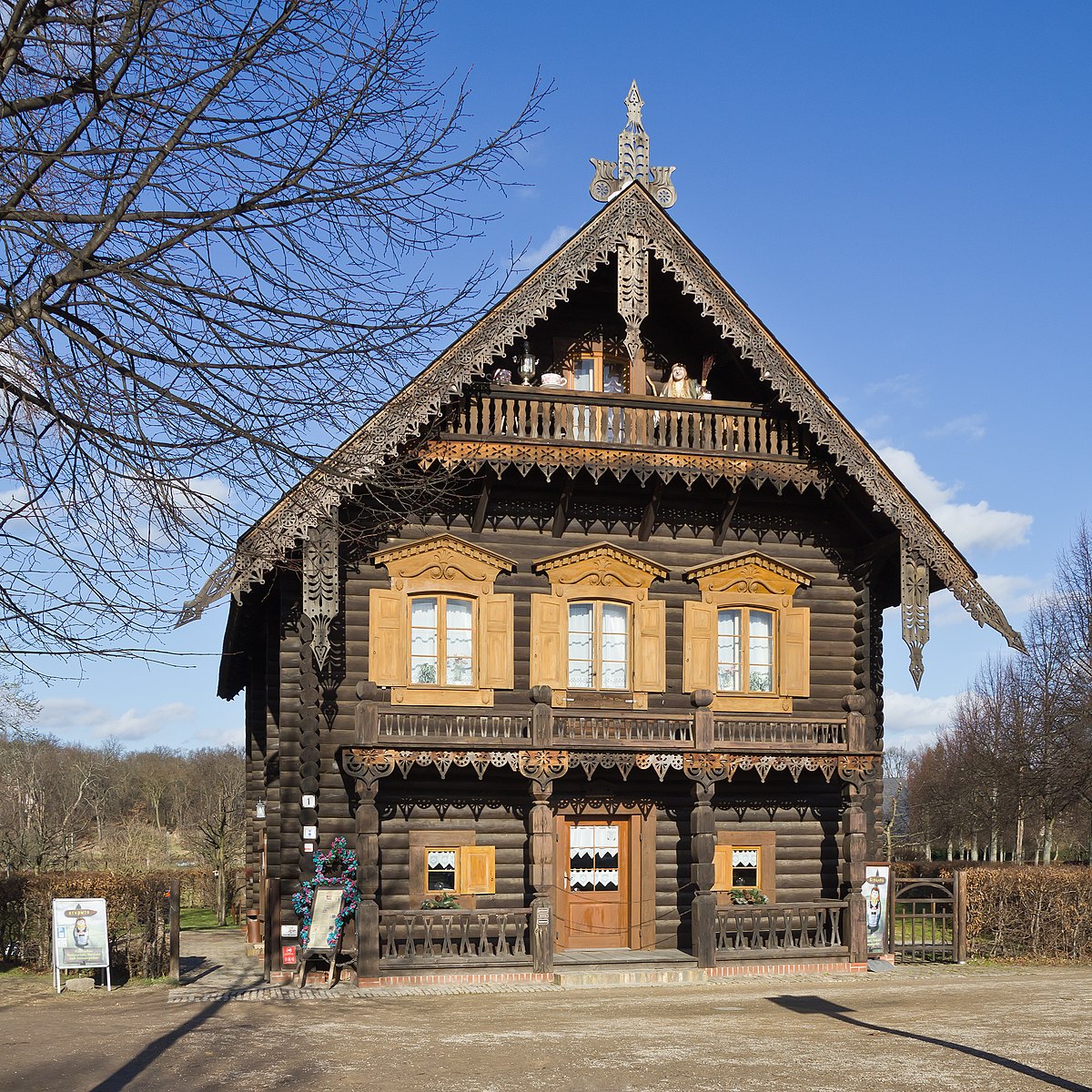
Alexandrowka
📍 Brandenburg, Germany
Located in the picturesque city of Potsdam, Germany, Alexandrowka is an intriguing architectural ensemble that reflects a unique blend of Russian and …

Alhauser Hammer
📍 North Rhine-Westphalia, Germany
Alhauser Hammer is a remarkable architectural ensemble located in Ennepetal, Germany, known for its historical significance as a water-driven hammer …

Alsdorfer Ölmühle
📍 North Rhine-Westphalia, Germany
The Alsdorfer Ölmühle, an architectural ensemble located in the heart of Alsdorf, Germany, is a remarkable example of a traditional watermill that …