Overview
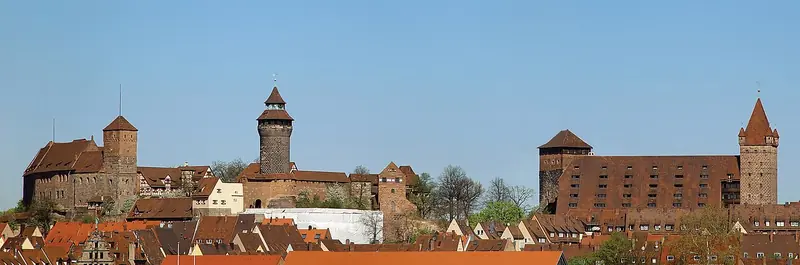
Nuremberg Castle, a robust fortification steeped in history, captures the imagination of all who visit. This formidable structure, which has stood for centuries, offers a glimpse into the architectural prowess and strategic significance of medieval Germany. Located in the heart of Nuremberg, the castle overlooks the surrounding landscape, providing a vantage point that once served as a defensive stronghold.
The castle’s significance extends beyond its impressive walls; it was a center of power for the Holy Roman Empire and a symbol of the city’s importance during the Middle Ages. As you explore its various elements, you’ll discover not only the rich history of Nuremberg but also the architectural styles that have evolved over time.
Your visit to Nuremberg Castle promises a fascinating journey through the ages, where you can immerse yourself in the tales of past rulers, military strategies, and the cultural heritage of this iconic fortification.
History and Significance
Nuremberg Castle has played a pivotal role in the history of Germany. Over the centuries, this castle served as the residence and administrative center for many emperors of the Holy Roman Empire. Its strategic location made it a vital fortification, ensuring the protection of the city and its inhabitants.
The castle’s history is marked by significant transformations, reflecting the changing dynamics of power in the region. It was a hub of political activity and a site where important decisions were made. The castle’s walls have witnessed countless events that shaped the course of German history, from royal ceremonies to military defenses against invaders.
Culturally, Nuremberg Castle represents the city’s identity and resilience. It is a symbol of pride for locals and a key attraction for visitors. The castle has undergone various renovations and restorations to preserve its historical significance and architectural integrity. Today, it stands as a testament to the craftsmanship and ingenuity of medieval builders, drawing history enthusiasts and casual visitors alike.
Architecture and Features
Nuremberg Castle’s architecture reflects a blend of styles that have evolved throughout its long history. The fortification is characterized by its imposing walls and towers, which were designed to withstand sieges and protect against invaders. The castle complex consists of multiple structures, including residential quarters, administrative buildings, and defensive walls, all of which showcase the architectural trends of their respective eras.
As you explore the castle, be sure to look for distinctive elements such as the deep, sturdy walls that were constructed to deter attacks. The towers provide an impressive silhouette against the skyline and offer a glimpse into the castle’s military function. Visitors can explore various sections of the castle, each revealing different aspects of its storied past.
The castle’s layout is both functional and aesthetically pleasing, with elements that highlight the importance of defense while also accommodating the needs of its residents. The surrounding landscape adds to the castle’s charm, providing a picturesque backdrop that enhances its historical allure.
Visiting Information
To reach Nuremberg Castle, visitors can take advantage of various transport options available in the region. The site is accessible by public transportation, and many visitors find it convenient to explore on foot, given its close proximity to other attractions in Nuremberg.
Check the official website for current opening hours and admission prices, as these can vary throughout the year. Generally, you can expect to spend around 1-2 hours exploring the castle and its grounds, making it a manageable yet enriching addition to your itinerary.
For the best experience, consider visiting in the morning when crowds are smaller, or during the spring and fall when the weather is typically pleasant. Accessibility features may vary, so check directly with the site for the latest information regarding facilities for visitors with mobility challenges.
Nearby Attractions
While visiting Nuremberg Castle, you may want to explore other nearby attractions that further enrich your experience. Here are a few suggestions:
Albrecht Dürer House: This museum is dedicated to the life and work of the famous painter Albrecht Dürer. Visitors can explore the artist’s home and learn about his contributions to the art world.
Nuremberg’s Old Town: Just a short walk from the castle, the Old Town is filled with charming streets, historic buildings, and lively markets. It’s an excellent area to wander and soak in the local culture.
St. Lorenz Church: This stunning Gothic church is known for its impressive architecture and beautiful stained glass windows. It’s a must-see for anyone interested in religious art and history.
These attractions, along with the castle, create a rich tapestry of Nuremberg’s cultural and historical landscape, making your visit well-rounded and fulfilling.
Insider Tips
Best Photography Spots: For stunning photos, head to the north tower, where you can capture sweeping views of the surrounding area. Early morning light also adds a magical touch to your shots.
Lesser-Known Details: Keep an eye out for the intricate carvings and details on the castle’s walls. These often go unnoticed but tell stories of the past.
Avoiding Crowds: If you prefer a quieter experience, visit on weekdays rather than weekends, as the castle can become quite busy with tourists.
Local Tips: Engage with the staff or guides on-site, as they can share fascinating anecdotes and lesser-known facts about the castle’s history.
Practical Information
When planning your visit to Nuremberg Castle, it’s essential to bring comfortable walking shoes, as you will be exploring various levels and surfaces. Seasonal considerations may affect your experience, so prepare for varying weather conditions, especially if you are visiting in winter or early spring.
Check the official website for current information regarding hours and admission fees. It’s advisable to stay hydrated and consider bringing a light snack, as options for refreshments may be limited on-site.
Frequently Asked Questions
How long should I spend visiting?
You should plan to spend about 1-2 hours at Nuremberg Castle. This allows ample time to explore the main attractions, enjoy the views, and absorb the historical context.
Is photography allowed inside?
Yes, photography is generally allowed inside the castle, but be mindful of restrictions in specific areas or exhibits.
Are there guided tours available?
Guided tours may be available, but check the official website for details and to see if advance booking is necessary.
What’s the best time of day to visit?
Morning is often the best time to visit, as it tends to be less crowded, providing a more intimate experience.
Is the site wheelchair accessible?
Access may vary, so it’s best to contact the site directly for the latest information regarding wheelchair accessibility.
Can I buy tickets online?
Check the official website for current information regarding ticket purchasing options, including online availability.
Are there facilities like restrooms and cafes?
Facilities may be available on-site, but it’s advisable to confirm this information directly with the site for the most accurate details.
What should I wear when visiting?
Wear comfortable clothing and shoes suitable for walking, especially if you plan to explore the castle grounds thoroughly. Adjust your outfit according to the weather for an enjoyable visit.



