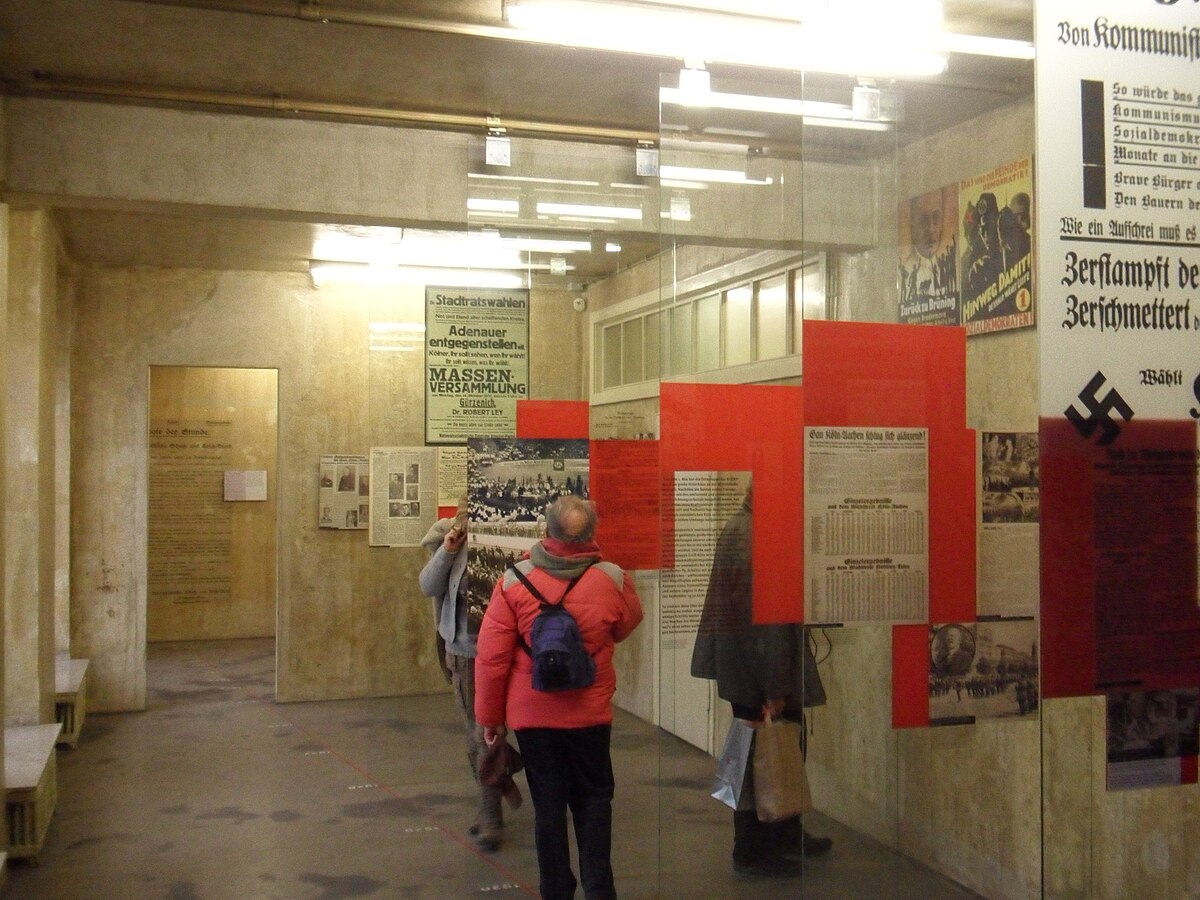
NS Documentation Centre of the City of Cologne
Overview
The NS Documentation Centre of the City of Cologne offers visitors a profound exploration of the historical and social implications of National Socialism, particularly as they relate to Cologne and its inhabitants. Situated in the Altstadt-Nord district, this museum is a critical resource for understanding the complexities of a dark chapter in German history. Through various exhibits, the Centre provides insights into the lives affected by the regime, the impact of Nazi policies, and the collective memory that has emerged over the decades. The museum not only serves as a space for reflection but also as a platform for discussions about democracy, human rights, and the importance of remembrance.
The Centre is located in a city that has undergone significant transformations over the centuries, reflecting resilience and the capacity for growth even in the face of adversity. As a visitor, you will find the NS Documentation Centre to be an essential stop for anyone seeking to understand the nuances of history that shaped modern Germany and the lessons that resonate today.
History and Significance
The NS Documentation Centre occupies a space of significant historical importance, as it is located within the former headquarters of the Cologne Gestapo, the Nazi regime’s secret police. This site was once a place where countless individuals suffered due to oppressive and inhumane policies. The decision to establish a documentation centre here is a powerful act of remembrance and a commitment to educating future generations about the consequences of totalitarianism.
The museum was founded with the aim of fostering a deeper understanding of the impact of Nazi ideology on individuals and communities. It emphasizes the importance of remembering and confronting the past, highlighting personal stories that illustrate the broader societal implications of war and oppression. Through its exhibitions, the Centre fosters dialogue about contemporary issues related to discrimination, human rights abuses, and the importance of preserving democratic values.
As you explore the Centre, you are encouraged to engage with the narratives presented, which include testimonies of those who resisted Nazi policies, as well as the experiences of victims. The Centre thus serves as a vital educational resource, encouraging critical reflection on the past while promoting awareness of ongoing social issues.
Architecture and Features
The architecture of the NS Documentation Centre reflects the stark realities of its history. The building itself, a former Gestapo headquarters, retains an austere exterior that is both imposing and thought-provoking. Upon entering, visitors are greeted by a modern interior that contrasts with the historical weight of the site. This combination serves to remind guests of the past while providing a space conducive to learning and contemplation.
Inside, the Centre features a variety of exhibitions that incorporate multimedia elements to engage visitors in different ways. The layout is designed to guide you through various thematic sections, each addressing different aspects of Nazi persecution and the societal responses to it. The thoughtful arrangement of exhibits encourages a linear yet flexible exploration of the content, allowing visitors to delve deeply into topics that resonate most with them.
Notable features of the Centre include interactive displays, photographs, documents, and audiovisual materials that bring personal stories to life. These elements work together to create an immersive educational experience that is both informative and impactful. The thoughtful curation of the exhibits ensures that visitors leave with a greater understanding of the complexities surrounding this period in history.
Visiting Information
Visiting the NS Documentation Centre is a significant experience, and planning your trip in advance can enhance your time there. The Centre is accessible via public transportation, making it easy for visitors to reach from various points in the city. Check the official website for current information on hours and admission prices, as these can vary.
Expect to spend a few hours at the Centre to fully appreciate the depth of the exhibits and the narratives presented. The best times to visit are during weekdays when the Centre tends to be less crowded, allowing for a more personal engagement with the materials.
When you arrive, take advantage of the available resources, including brochures and guided tours, which can provide additional context and insights into the exhibits. Consider arriving early in the day to allow ample time for exploration without feeling rushed.
Nearby Attractions
While in the Altstadt-Nord district, consider visiting the following nearby attractions to enrich your experience in Cologne:
Cologne Cathedral (Kölner Dom): This iconic Gothic structure is a UNESCO World Heritage site and is renowned for its stunning architecture and impressive twin spires.
Roman-Germanic Museum: Located near the Cathedral, this museum showcases artifacts from Cologne’s Roman past, offering a fascinating glimpse into the city’s history before the Nazi era.
Museum Ludwig: This museum features an extensive collection of modern art, including works by Picasso and Warhol, providing a contrast to the historical focus of the NS Documentation Centre.
Cologne City Hall (Rathaus): A historic building that dates back to the 14th century, showcasing beautiful architecture and serving as a central point of civic life in the city.
Hohenzollern Bridge: Famous for its love locks, this bridge offers a picturesque view of the Rhine River and is a popular spot for photographs.
Insider Tips
To make the most of your visit to the NS Documentation Centre, consider these insider tips:
Photography: Although photography may be allowed in certain areas, be respectful of the exhibits and ensure that you follow any posted guidelines regarding photography.
Crowd Avoidance: Aim to visit during weekdays, specifically in the morning or late afternoon, to avoid larger crowds and enjoy a more personal experience with the exhibits.
Engagement: Take the time to read through the materials and engage with the interactive displays. This will enhance your understanding and appreciation of the complex themes addressed.
Practical Information
Before visiting, it’s helpful to consider what to bring and the seasonal factors that may affect your trip.
What to Bring: Comfortable walking shoes are recommended, as you may be on your feet for an extended period. A notebook might be useful if you wish to jot down thoughts or reflections during your visit.
Seasonal Considerations: The Centre is open year-round, but if you plan to visit during the colder months, dress warmly, as the climate in Cologne can be brisk. In contrast, summer visits may call for lighter clothing, so check the weather forecast before you go.
Access to Amenities: Ensure you know the location of restrooms and whether there are nearby cafes for refreshments during your visit.
Frequently Asked Questions
How long should I spend visiting?
A visit typically takes between two to three hours to fully engage with the exhibits and materials presented.
Is photography allowed?
Photography may be permitted in certain sections, but always check for any posted restrictions and be respectful of the exhibits.
Are there guided tours?
Yes, guided tours may be available, providing additional context and insights into the exhibits. Check the official website for details on availability and scheduling.
What’s the best time to visit?
Weekdays, particularly during the morning or late afternoon, are often less crowded, allowing for a more intimate experience.
Is it wheelchair accessible?
The Centre strives to be accessible for all visitors, but it’s recommended to confirm specific accessibility features on the official website.
Can I buy tickets online?
Check the official website for current information regarding ticket purchases and availability.
Are there restrooms and cafes?
Facilities are generally available on-site, and nearby cafes can provide refreshments during your visit.
What should I wear?
Dress comfortably for walking, and consider seasonal weather conditions to ensure a pleasant visit.
More in North Rhine-Westphalia

Aachen Cathedral
📍 North Rhine-Westphalia, Germany
Aachen Cathedral, a magnificent Roman-Catholic structure located in the historic city of Aachen, Germany, is a masterpiece of architectural design and …

Aachen Cathedral Treasury
📍 North Rhine-Westphalia, Germany
Aachen Cathedral Treasury, located in the historic city of Aachen, Germany, is a remarkable art museum that houses an impressive collection of …

Aachen Chapel of Hungary
📍 North Rhine-Westphalia, Germany
The Aachen Chapel of Hungary, a significant part of the Aachen Cathedral complex in Germany, serves as an emblem of the cultural exchange between …

Aachen-Rothe Erde station
📍 North Rhine-Westphalia, Germany
Aachen-Rothe Erde station serves as a crucial node in the intricate web of Germany’s railway network, located in the vibrant city of Aachen. This …

Aachener Tierpark Euregiozoo
📍 North Rhine-Westphalia, Germany
The Aachener Tierpark Euregiozoo, located in the heart of Aachen-Mitte, Germany, is a captivating destination for animal lovers and families alike. …

Abtei Mariendonk
📍 North Rhine-Westphalia, Germany
Abtei Mariendonk, a serene monastery located in the tranquil region of Grefrath, Germany, invites visitors to explore its spiritual and architectural …
More Museums

Abbey and Altenmünster of Lorsch
📍 Baden-Württemberg, Germany
The Abbey and Altenmünster of Lorsch is a UNESCO World Heritage site located in the charming town of Lorsch, Germany. This significant cultural …
Abenteuermuseum
📍 Rhineland-Palatinate, Germany
The Abenteuermuseum, located in Germany, invites visitors to explore the wonders of adventure through its unique exhibits and engaging experiences. …

Abwasser- und Sielmuseum
📍 Hamburg, Germany
The Abwasser- und Sielmuseum, located in the heart of Hamburg-Mitte, offers a unique glimpse into the city’s historical infrastructure concerning …

Academy of Arts, Berlin
📍 Berlin, Germany
The Academy of Arts in Berlin is not just a museum; it is a prominent national institution dedicated to the advancement of the arts in Germany. …

Ackerbürgermuseum Haus Leck
📍 Hesse, Germany
Ackerbürgermuseum Haus Leck is a culturally significant museum located in Germany’s Grebenstein region, dedicated to preserving and showcasing the …

Active Museum Spiegelgasse
📍 Hesse, Germany
Active Museum Spiegelgasse is a vital institution dedicated to preserving and exploring the German-Jewish history of Wiesbaden, Germany. Located in …