
Nolde Museum Seebüll
Overview
The Nolde Museum Seebüll is a distinguished art museum located in the serene village of Seebüll, Germany. This cultural landmark is dedicated to the life and works of the renowned expressionist painter Emil Nolde, who was a pivotal figure in the German art scene during the early 20th century. The museum not only showcases a substantial collection of Nolde’s paintings, but it also provides insights into the artist’s personal life and his deep connection to the surrounding landscapes. Visitors to the museum can expect to be immersed in the vibrant colors and emotive brushstrokes characteristic of Nolde’s work, all set against a backdrop that reflects the artist’s own inspirations.
Seebüll, located in the Neukirchen region, provides a tranquil escape from urban life, making it an ideal destination for art enthusiasts and casual visitors alike. The museum’s commitment to preserving and exhibiting Nolde’s art ensures that his legacy continues to resonate with new generations. With its thoughtfully curated exhibitions and serene surroundings, the Nolde Museum invites exploration and contemplation, promising a rewarding experience for anyone interested in modern art and its history.
History and Significance
Emil Nolde, born in 1867, was one of the most significant figures in the German Expressionist movement. His work is characterized by its bold colors and emotional depth, often reflecting the tumultuous times in which he lived. The Nolde Museum Seebüll, established to preserve and showcase his contributions to the art world, is situated close to Nolde’s own home and studio, where he created many of his masterpieces.
The museum plays a vital role in preserving Nolde’s artistic legacy, housing an extensive collection that includes paintings, watercolors, and prints. It highlights not only his most famous works but also lesser-known pieces that provide a more comprehensive view of his artistic development. The museum serves as a bridge between Nolde’s life and the broader cultural movements of his time, offering visitors a deeper understanding of how his experiences and surroundings influenced his art.
Furthermore, the museum is not merely an exhibition space; it is also a center for research and education. Through various programs, it aims to engage with visitors and foster a greater appreciation for expressionist art. This commitment to education and outreach underlines the museum’s significance within the cultural landscape of Germany.
Architecture and Features
The Nolde Museum Seebüll features a modern architectural design that harmonizes with the natural beauty of its surroundings. The building was designed to reflect a sense of openness and light, which complements the vibrant works of Emil Nolde. Large windows allow natural light to flood the exhibition spaces, creating an inviting atmosphere for viewing art.
One of the notable aspects of the museum is its integration with the landscape. The structure is situated in a manner that encourages a dialogue between the interior spaces and the outdoor environment. As visitors explore the museum, they may notice how the design enhances the appreciation of Nolde’s connection to nature, a recurring theme in his works.
Inside, the exhibition spaces are arranged thoughtfully, allowing for a fluid experience as guests move from one gallery to another, discovering various stages of Nolde’s artistic journey. The museum’s collection is carefully curated to showcase not only the breadth of Nolde’s work but also the evolution of his style over time.
Visiting Information
Visiting the Nolde Museum Seebüll can be a delightful experience, whether you’re an art lover or simply looking to enjoy a peaceful day in an artistic environment. To reach the museum, consider utilizing public transport options available in the Neukirchen area. Alternatively, if you are driving, there is ample parking nearby, making it accessible for visitors coming from various locations.
Before planning your visit, check the official website for current information regarding opening hours and ticket prices. The museum typically offers a variety of exhibitions and events throughout the year, so visitors might find it beneficial to schedule their trips accordingly.
On average, guests may spend around two to three hours exploring the museum’s collection, but art enthusiasts may wish to linger longer to fully appreciate the nuances of Nolde’s work. The best times to visit might be during weekdays, as weekends can attract larger crowds, especially during special exhibitions or events.
Nearby Attractions
In addition to the Nolde Museum, the Neukirchen region offers several attractions worth exploring:
- St. Mary’s Church - A charming local church known for its beautiful architecture and peaceful surroundings.
- The North Frisian Museum - Located nearby, this museum provides insights into the cultural heritage of the North Frisians, showcasing local art and history.
- Seebüll Windmill - An iconic structure that represents traditional windmill architecture, providing a picturesque spot for photographs.
- Local Nature Trails - The area surrounding the museum features several walking and cycling paths, perfect for those looking to enjoy the natural beauty of the region.
Insider Tips
To enhance your visit to the Nolde Museum Seebüll, consider the following tips:
- Photography: While photography is generally encouraged in many museum spaces, always check for specific guidelines regarding flash photography or restrictions on certain exhibitions.
- Crowd Avoidance: To avoid crowds, consider visiting during the early morning or late afternoon on weekdays. Special exhibitions may draw larger audiences, so plan accordingly if you wish for a quieter experience.
Practical Information
When preparing for your visit to the Nolde Museum Seebüll, keep in mind a few practical considerations:
- What to Bring: Comfortable walking shoes are advisable, as the museum and surrounding areas may require some walking. A notebook or sketchpad can be a great addition for those inspired by the art.
- Seasonal Considerations: The museum is open year-round, but seasonal weather may impact your visit. Check the forecast and dress appropriately, especially if you plan to enjoy the outdoor spaces surrounding the museum.
Frequently Asked Questions
How long should I spend visiting?
Most visitors find that spending two to three hours at the Nolde Museum Seebüll allows ample time to appreciate the exhibits and the surrounding scenery.
Is photography allowed?
Photography is generally permitted, but check for any specific restrictions within certain exhibitions or spaces.
Are there guided tours?
The museum often offers guided tours, providing deeper insights into Nolde’s life and works. Check the official website for availability and scheduling.
What’s the best time to visit?
Weekdays, particularly during the early morning or late afternoon, tend to be less crowded, offering a more serene environment for exploration.
Is it wheelchair accessible?
The museum is designed to be accessible, with features that accommodate visitors with mobility challenges. Check the official website for detailed accessibility information.
Can I buy tickets online?
Ticket purchasing options may vary, so it is advisable to check the official website for the latest information regarding online ticket sales.
Are there restrooms and cafes?
Facilities such as restrooms and a café are typically available at the museum, providing convenience for visitors during their stay.
What should I wear?
Comfortable attire is recommended, especially if you plan to explore the outdoor areas. Dress in layers to adjust to changing weather conditions, particularly if visiting during transitional seasons.
In summary, the Nolde Museum Seebüll is a compelling destination that offers a unique blend of art, history, and natural beauty, making it a must-visit for anyone exploring the cultural landscape of Germany.
More in Schleswig-Holstein

2 Straßenbau- Gedenksteine
📍 Schleswig-Holstein, Germany
In the picturesque region of Bösdorf, Germany, two memorial stones commemorate a pivotal moment in the history of infrastructure development. Known as …
Aas See
📍 Schleswig-Holstein, Germany
Aas See is a serene lake located in the heart of Schleswig-Holstein, Germany, providing a tranquil escape into nature for both locals and visitors. …

Altarm der Schwentine
📍 Schleswig-Holstein, Germany
The Altarm der Schwentine is a unique nature reserve located in Schönkirchen, Schleswig-Holstein, Germany. This natural sanctuary serves as an …

Alte Metallgiesserei
📍 Schleswig-Holstein, Germany
The Alte Metallgiesserei, located in the vibrant city of Kiel, Germany, serves as a captivating museum that invites visitors to delve into the …

Alte Sorge-Schleife
📍 Schleswig-Holstein, Germany
Alte Sorge-Schleife, located in the picturesque Erfde area of Schleswig-Holstein, Germany, is a designated nature reserve that offers a tranquil …

Altfriesisches Haus
📍 Schleswig-Holstein, Germany
The Altfriesisches Haus is a prominent museum located on the scenic island of Sylt, Germany. This cultural institution offers visitors a glimpse into …
More Art Museums

Aachen Cathedral Treasury
📍 North Rhine-Westphalia, Germany
Aachen Cathedral Treasury, located in the historic city of Aachen, Germany, is a remarkable art museum that houses an impressive collection of …

Abteiberg Museum
📍 North Rhine-Westphalia, Germany
In the heart of Mönchengladbach, Germany, the Abteiberg Museum stands out as a prominent destination for art enthusiasts and cultural explorers alike. …

Akademisches Kunstmuseum
📍 North Rhine-Westphalia, Germany
In the heart of Bonn, Germany, lies the Akademisches Kunstmuseum, an art museum that invites visitors to explore a diverse collection of artworks …

Albertinum
📍 Saxony, Germany
Albertinum is a prominent art museum located in the heart of Dresden, Germany, serving as a significant cultural institution in the region. …

Albrecht Dürer's House
📍 Bavaria, Germany
Albrecht Dürer’s House stands as a significant cultural landmark in Nuremberg, Germany, celebrating the life and work of one of the Renaissance’s most …
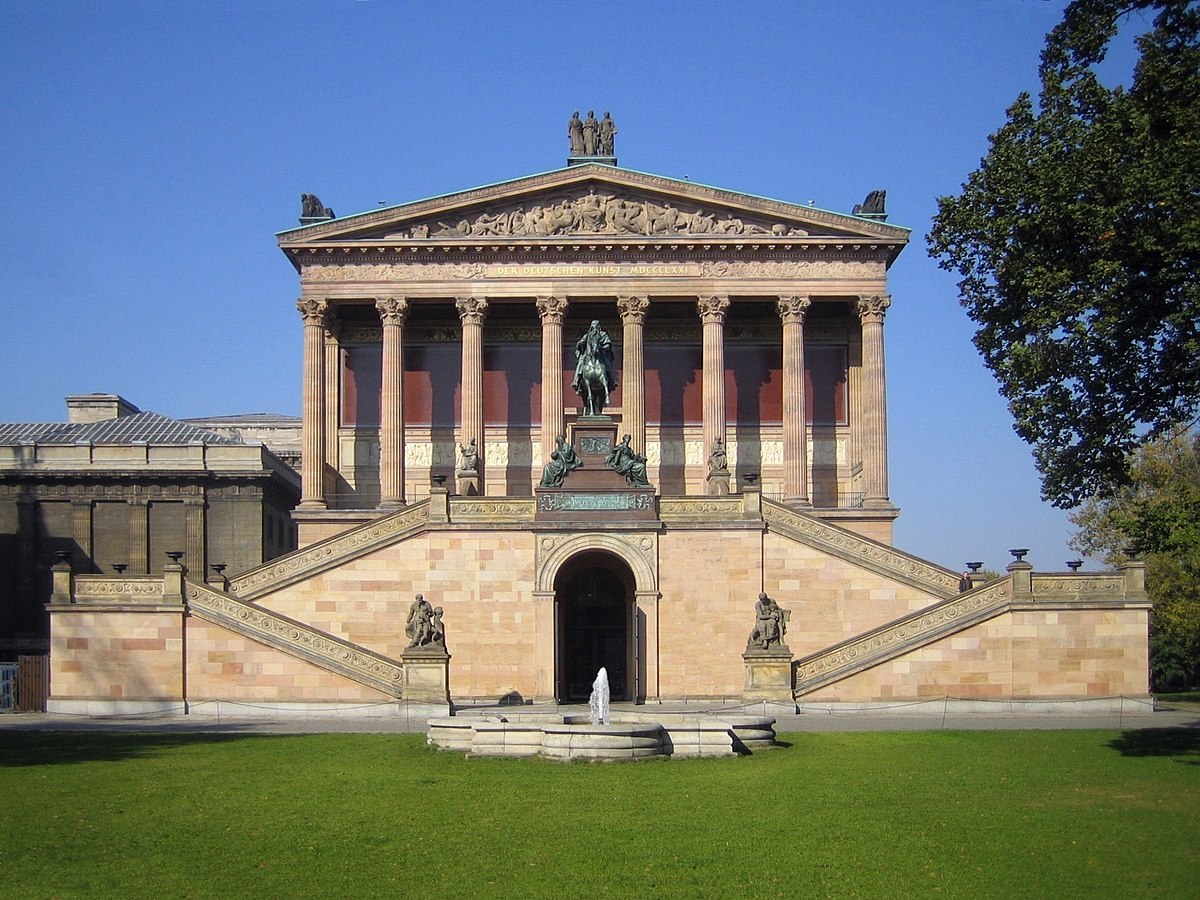
Alte Nationalgalerie
📍 Berlin, Germany
The Alte Nationalgalerie, an esteemed art museum located in Berlin’s Bezirk Mitte, is a cornerstone of cultural appreciation in Germany. This museum …