Overview
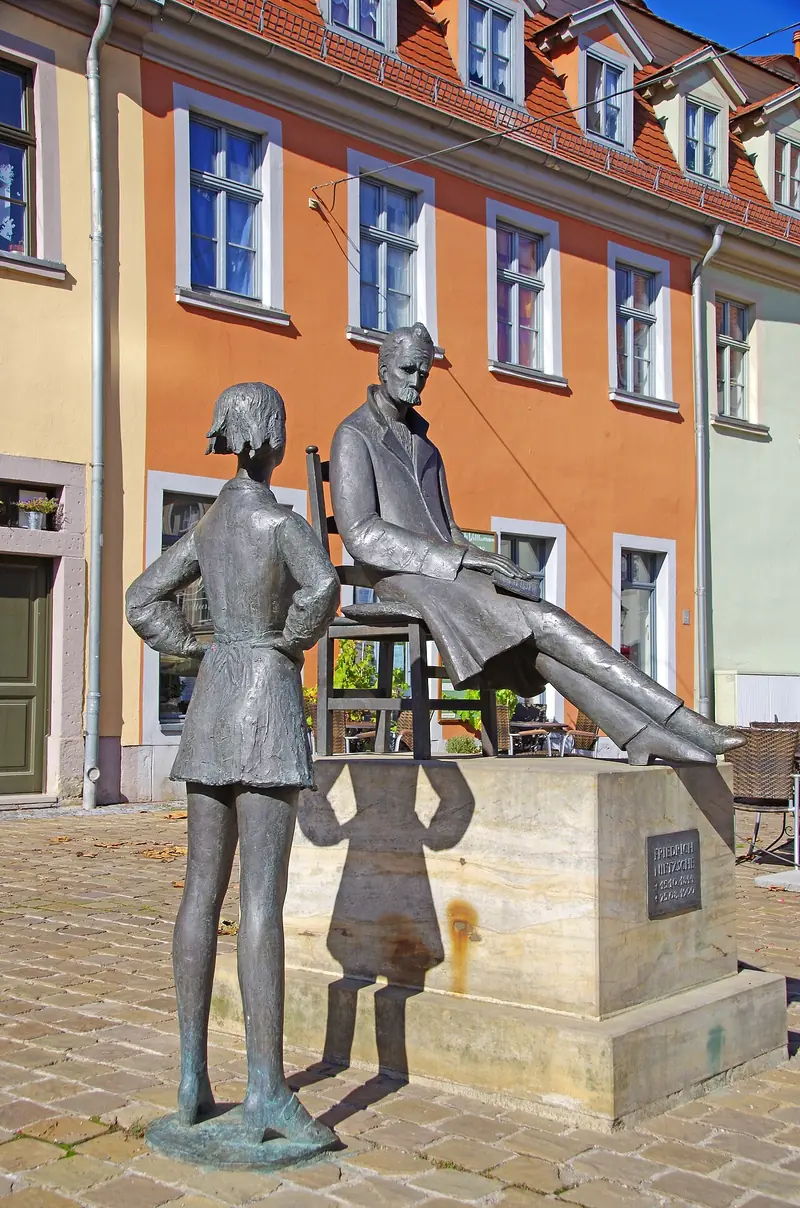
In the heart of Naumburg (Saale), Germany, the Nietzsche-Denkmal stands as a poignant tribute to one of the 19th century’s most influential philosophers, Friedrich Nietzsche. This monument not only commemorates Nietzsche’s philosophical contributions but also serves as a reminder of the cultural and intellectual currents that shaped Europe during his lifetime. The site invites visitors to reflect on the profound ideas that have emerged from Nietzsche’s works, exploring themes of existence, morality, and the human condition. As you approach the monument, you will find the serene environment conducive to contemplation, making it a significant stop for those interested in philosophy, literature, and history.
Naumburg itself is a charming town in the state of Saxony-Anhalt, characterized by its historical architecture and vibrant cultural scene. The Nietzsche-Denkmal is a focal point, drawing not only philosophy enthusiasts but also travelers seeking to engage with Germany’s rich heritage. The monument is a testament to the enduring legacy of Nietzsche, whose thoughts continue to resonate in contemporary discussions of ethics and existential thought.
History and Significance
Friedrich Nietzsche was born in 1844 in Röcken, a small village not far from Naumburg. The Nietzsche-Denkmal, erected in his honor, stands as a significant cultural marker in a region that has been shaped by his philosophical legacy. Nietzsche’s work, which critiques traditional moral values and explores the concept of the “Übermensch,” has had a profound impact on various fields, including philosophy, psychology, and the arts.
The monument serves as a reminder of his radical ideas and their implications for modern thought. Although the specific details surrounding the monument’s establishment may not be documented, its presence in Naumburg highlights the connection between Nietzsche’s birthplace and his enduring influence on intellectual discourse. The site has become a pilgrimage for scholars, students, and admirers of Nietzsche’s philosophy, fostering a space for reflection and discussion about his contributions to existentialism and nihilism.
The Nietzsche-Denkmal not only commemorates the individual but also represents the broader cultural movements of the late 19th century, a period marked by philosophical inquiry and artistic experimentation. The monument invites visitors to engage with Nietzsche’s ideas, prompting contemplation of one’s own beliefs and values in the context of contemporary society.
Architecture and Features
The Nietzsche-Denkmal is characterized by its understated yet impactful design. While specific architectural details are not provided, the monument typically features elements that resonate with Nietzsche’s philosophical themes. The structure may include inscriptions of his key ideas or quotes, allowing visitors to engage with his thoughts directly.
Surrounding the monument, visitors can expect a thoughtfully maintained area that encourages reflection. The design is likely intended to harmonize with the natural surroundings, inviting visitors to contemplate the ideas represented by Nietzsche in a serene setting. The monument’s placement may also offer a sense of connection to the landscape, reflecting Nietzsche’s own engagement with the natural world in his writings.
As you explore the monument, take note of any unique features that may resonate with you personally. The simplicity of its design may prompt deeper considerations about Nietzsche’s philosophy and its place within the broader context of human thought.
Visiting Information
Visiting the Nietzsche-Denkmal provides an opportunity for a thoughtful and enriching experience. The monument is located in Naumburg (Saale), easily accessible for travelers exploring the region. Public transport options, including trains and buses, connect Naumburg to major cities in Germany, making it a convenient stop for those on a philosophical journey or a cultural excursion.
While specific hours and prices are not detailed, it is advisable to check the official website for current information regarding accessibility and any potential visitor guidelines. The monument can typically be visited year-round, with each season offering a different atmosphere for reflection.
Expect to spend approximately one to two hours at the site, allowing time to absorb the surroundings and engage with Nietzsche’s ideas. The best times to visit may be during weekdays when the area is generally less crowded, offering a more peaceful experience. If possible, visiting during the early morning or late afternoon can enhance your time at the monument, providing a quieter environment for contemplation.
Nearby Attractions
While visiting the Nietzsche-Denkmal, there are several nearby attractions worth exploring:
Naumburg Cathedral: A UNESCO World Heritage site, this stunning Gothic cathedral is renowned for its impressive architecture and beautiful stained glass windows. Its rich history and artistic significance make it a must-visit.
Market Square (Marktplatz): The vibrant heart of Naumburg, the Market Square is surrounded by historic buildings, cafes, and shops. It’s an excellent place to experience the local culture and perhaps enjoy a coffee.
Wenzelsturm (Wenzel Tower): This medieval tower offers views of Naumburg and its surroundings. Climbing to the top provides a unique perspective on the town and its historical significance.
The Nietzsche House: Located in Röcken, the philosopher’s birthplace, this house provides insight into Nietzsche’s early life and the environment that influenced his thinking.
Saale River: The picturesque Saale River runs through Naumburg, offering opportunities for leisurely walks along its banks or scenic boat tours.
Insider Tips
For those looking to capture the essence of the Nietzsche-Denkmal through photography, consider visiting during the golden hours of sunrise or sunset when the lighting can enhance the monument’s features. Additionally, to avoid crowds, aim for visits on weekdays or during off-peak seasons. Engaging with the site in solitude can deepen your reflection on Nietzsche’s philosophy, allowing for a more personal experience.
Practical Information
When planning your visit to the Nietzsche-Denkmal, consider bringing a notebook or journal for reflections, as many visitors find themselves inspired by Nietzsche’s thoughts and the peaceful setting. If you’re visiting during the colder months, dress in layers to accommodate the variable weather, and if you’re visiting during warmer months, sunscreen and water will enhance your comfort.
Accessibility may vary, so checking the official website for relevant details is advisable, especially for those with mobility challenges. The monument is located in a serene area, making it suitable for quiet contemplation and personal reflection.
Frequently Asked Questions
How long should I spend visiting?
A visit to the Nietzsche-Denkmal typically takes about one to two hours, allowing time for reflection and exploration of the surroundings.
Is photography allowed?
Photography is generally allowed at the monument, making it a great opportunity to capture the essence of Nietzsche’s philosophical legacy.
Are there guided tours?
While specific tour information is not mentioned, check the official website for any organized tours or educational programs that may be available.
What’s the best time to visit?
Weekdays and early mornings or late afternoons are advisable for a quieter experience at the monument, enhancing contemplation.
Is it wheelchair accessible?
Accessibility information is not detailed; check the official website for the most current information regarding wheelchair access.
Can I buy tickets online?
Details on ticket purchasing are not specified; visiting the official website may provide information on ticket availability and pricing.
Are there restrooms and cafes?
Information regarding facilities is not provided; check local resources or the official website for nearby amenities.
What should I wear?
Dress comfortably and appropriately for the weather, considering layers if visiting during cooler months. Comfortable walking shoes are recommended for exploring the area.



