Niederlausitzer Museumseisenbahn
Overview
The Niederlausitzer Museumseisenbahn, located in Crinitz, Germany, offers a unique glimpse into the world of historic railways. This museum is dedicated to preserving and showcasing the legacy of the narrow-gauge railways that once crisscrossed the region, allowing visitors to experience the charm and nostalgia of steam locomotives and vintage carriages. The museum serves not only as an educational resource but also as a celebration of the industrial history that shaped local communities. As you explore the site, you will encounter a variety of exhibits that highlight the significance of rail travel in the development of transportation and industry in Germany.
Situated in the picturesque region of Crinitz, the museum is easily accessible for those traveling within the area. The museum’s commitment to heritage preservation makes it a significant cultural landmark, attracting railway enthusiasts, families, and history buffs alike. With a variety of exhibits and activities, the Niederlausitzer Museumseisenbahn promises an engaging experience for all visitors. Whether you’re a seasoned railway aficionado or simply curious about the history of trains, this museum offers an informative and enjoyable outing.
History and Significance
The Niederlausitzer Museumseisenbahn is dedicated to preserving the history and heritage of narrow-gauge railways that played a crucial role in the transportation landscape of Germany. The establishment of railways significantly contributed to the economic and social development of the region, connecting communities and facilitating trade. The museum highlights the importance of this transportation method in the local context, showcasing how it impacted daily life and industry.
As you delve into the exhibits, you will find information on the various types of locomotives and carriages that were once a common sight on the tracks. The museum serves as a repository of knowledge and artifacts, providing insights into the engineering and design of these historical trains. By preserving these pieces of history, the Niederlausitzer Museumseisenbahn serves as a vital educational resource, helping future generations understand the significance of rail transport in shaping modern society.
Additionally, the museum offers a platform to celebrate the craftsmanship involved in building and maintaining these historical trains. Visitors can appreciate the dedication of the volunteers and staff who work tirelessly to restore and maintain the rolling stock, ensuring that the stories of the past are not forgotten. The museum’s commitment to sharing this heritage makes it a valuable cultural institution, contributing to the preservation of local history.
Architecture and Features
The architecture of the Niederlausitzer Museumseisenbahn reflects the industrial heritage of the railway era. The museum grounds include several original buildings that have been preserved and repurposed to house exhibits and collections. The design of these structures is characteristic of the era, featuring robust materials and practical layouts that were common in railway facilities.
One of the main attractions is the collection of steam locomotives and vintage carriages, each with its own story and historical significance. These vehicles are not only impressive in their engineering but also serve as a testament to the craftsmanship of the time. The museum provides an opportunity to see these machines up close, with many exhibits allowing visitors to explore the interiors of the carriages, experiencing the design and comfort of rail travel from earlier decades.
In addition to the rolling stock, the museum features various displays that provide context to the artifacts, including photographs, documents, and interactive exhibits. These elements combine to create an informative atmosphere where visitors can learn about the evolution of rail transport and its impact on society. The layout of the museum encourages exploration, inviting guests to wander through the displays and immerse themselves in the history of the railway.
Visiting Information
Traveling to the Niederlausitzer Museumseisenbahn is straightforward, with various transport options available for those coming from nearby towns or cities. Whether you prefer to drive or use public transport, the museum is conveniently located to accommodate visitors.
Check the official website for current information regarding opening hours and ticket prices, as these details may vary seasonally. The museum typically offers a range of experiences, including guided tours and exhibitions that provide deeper insights into the railway’s history.
Plan to spend a few hours at the museum to fully appreciate the exhibits and take part in any interactive activities that may be available. The best times to visit are generally during weekends and public holidays when the museum is most active and often hosts special events or demonstrations involving the trains.
Expect a family-friendly atmosphere, with activities designed to engage visitors of all ages. Children can enjoy hands-on exhibits, while adults may appreciate the historical context and engineering feats on display. The museum also provides a relaxed setting for a leisurely exploration of railway history.
Nearby Attractions
The Crinitz region is home to several attractions that complement a visit to the Niederlausitzer Museumseisenbahn:
Crinitz Local History Museum: This museum offers insights into the local culture and history, providing a broader context to the region’s heritage.
Schwarze Elster River: Ideal for a leisurely walk, the river area features scenic views and opportunities for outdoor activities.
Renaissance Palace in Finsterwalde: A short drive away, this historical palace is known for its architecture and beautiful gardens, adding to the cultural experience of the region.
Sängerstadt Museum in Finsterwalde: This museum focuses on the local singing culture and the significance of music in the community.
The Historic Town of Senftenberg: A picturesque town with a charming old town and a beautiful lake, perfect for a day trip to explore history and nature.
Insider Tips
For the best photography opportunities, visit the museum during the early morning or late afternoon when natural light enhances the beauty of the exhibits and trains. If you’re looking to avoid the crowds, consider visiting on weekdays rather than weekends.
Take the time to engage with the staff and volunteers who can provide deeper insights into the exhibits and share stories that may not be included in the displays. Their passion for the museum and its history adds a personal touch to your visit.
Practical Information
When planning your visit, it is advisable to bring comfortable walking shoes, as you will likely be exploring various exhibits and possibly outdoor areas. Weather can impact your experience, so check forecasts and dress accordingly, particularly during the winter months when temperatures can drop.
Consider bringing snacks or a picnic if the museum allows it, as this can enhance your visit. However, check the official website for information regarding on-site dining options or nearby cafes if you prefer to enjoy a meal after your museum experience.
Frequently Asked Questions
How long should I spend visiting?
Most visitors spend approximately two to three hours at the museum to fully appreciate the exhibits and activities.
Is photography allowed?
Photography is generally permitted, but check for any specific restrictions on certain exhibits.
Are there guided tours?
Yes, the museum often offers guided tours. Check the official website for availability and scheduling.
What’s the best time to visit?
Weekends and public holidays are typically the busiest times. For a quieter experience, consider visiting on a weekday.
Is it wheelchair accessible?
The museum strives to be accessible, but check the official website for specific details on accessibility features.
Can I buy tickets online?
Check the official website for information on ticket purchasing options.
Are there restrooms and cafes?
The museum provides restroom facilities. For dining options, check the official website for details on any on-site cafes or nearby eateries.
What should I wear?
Dress comfortably and consider layering, as the temperature can vary inside the museum and outdoors. Comfortable shoes are recommended for walking around the exhibits.
More in Brandenburg
Agnetenkloster
📍 Brandenburg, Germany
Agnetenkloster, a former monastery located in the heart of Magdeburg, Germany, invites visitors to explore its serene ambiance and historical …

Agroneum
📍 Brandenburg, Germany
Agroneum is a museum located in the serene landscape of Alt Schwerin, Germany. This establishment serves as a vibrant hub for those interested in the …

Alexander Nevsky Memorial Church
📍 Brandenburg, Germany
The Alexander Nevsky Memorial Church in Potsdam, Germany, offers visitors a unique glimpse into the city’s cultural and religious heritage. This …
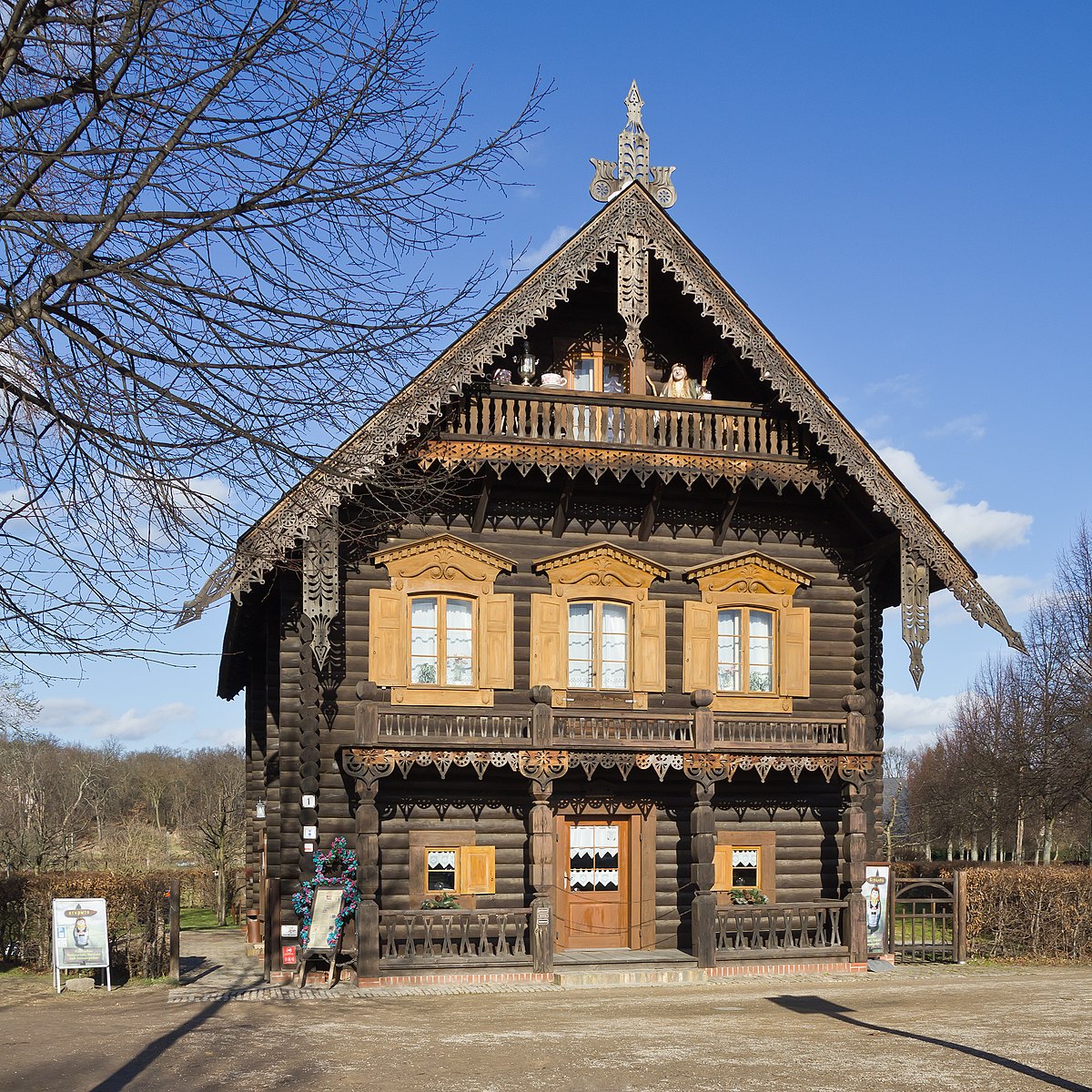
Alexandrowka
📍 Brandenburg, Germany
Located in the picturesque city of Potsdam, Germany, Alexandrowka is an intriguing architectural ensemble that reflects a unique blend of Russian and …

Alte Burg Penzlin
📍 Brandenburg, Germany
Alte Burg Penzlin, a captivating castle located in the quaint town of Penzlin, Germany, serves as a remarkable example of medieval architecture and …

Alte Dorfkirche Röxe
📍 Brandenburg, Germany
The Alte Dorfkirche Röxe stands as a poignant symbol of architectural and cultural history in the Stendal region of Germany. This church building, …
More Museums

Abbey and Altenmünster of Lorsch
📍 Baden-Württemberg, Germany
The Abbey and Altenmünster of Lorsch is a UNESCO World Heritage site located in the charming town of Lorsch, Germany. This significant cultural …
Abenteuermuseum
📍 Rhineland-Palatinate, Germany
The Abenteuermuseum, located in Germany, invites visitors to explore the wonders of adventure through its unique exhibits and engaging experiences. …

Abwasser- und Sielmuseum
📍 Hamburg, Germany
The Abwasser- und Sielmuseum, located in the heart of Hamburg-Mitte, offers a unique glimpse into the city’s historical infrastructure concerning …

Academy of Arts, Berlin
📍 Berlin, Germany
The Academy of Arts in Berlin is not just a museum; it is a prominent national institution dedicated to the advancement of the arts in Germany. …

Ackerbürgermuseum Haus Leck
📍 Hesse, Germany
Ackerbürgermuseum Haus Leck is a culturally significant museum located in Germany’s Grebenstein region, dedicated to preserving and showcasing the …

Active Museum Spiegelgasse
📍 Hesse, Germany
Active Museum Spiegelgasse is a vital institution dedicated to preserving and exploring the German-Jewish history of Wiesbaden, Germany. Located in …