
New Palace
Overview
The New Palace, located in the Brandenburger Vorstadt of Potsdam, Germany, is an architectural marvel that reflects the grandeur of the Prussian monarchy. As part of the Sanssouci Park, this palace is not only a significant historical site but also a stunning example of late baroque architecture. Visitors to the New Palace are greeted by its imposing façade and intricately designed interiors, which showcase the opulence of the era. The palace serves as a symbol of the cultural and artistic advancements of the 18th century, making it a must-visit for history enthusiasts and architecture lovers alike.
Situated just outside Berlin, Potsdam is easily accessible and offers a picturesque setting that complements the palace’s aesthetic. The New Palace stands apart from other royal residences by its unique design and the historical context of its construction. As you explore its corridors and gardens, you will uncover stories of the past that continue to resonate today, inviting a deeper understanding of Prussian heritage.
History and Significance
The New Palace was commissioned by Frederick the Great, King of Prussia, during a time of political and cultural transformation in Europe. Its construction was intended to serve as a grand setting for the king’s guests and to showcase the power and prestige of the Prussian state. The palace was built in the latter half of the 18th century and is often recognized for its role in hosting significant events and dignitaries.
Throughout its history, the New Palace has witnessed numerous transformations, reflecting the changing tides of European politics and society. From its initial purpose as a royal residence to its later use as a museum, the palace has adapted to the needs of various eras while retaining its core significance. The architectural and artistic choices made during its construction are indicative of the Enlightenment’s influence, emphasizing reason, beauty, and the pursuit of knowledge.
In contemporary times, the New Palace is part of the UNESCO World Heritage Site known as “Palaces and Parks of Potsdam and Berlin,” a designation that underscores its cultural importance. The palace attracts visitors from around the world, eager to experience its historical narrative and appreciate its artistic achievements.
Architecture and Features
The New Palace is a striking example of late baroque architecture, characterized by its grand scale and elaborate details. The exterior is adorned with numerous columns, statues, and decorative elements that exemplify the opulence associated with the royal court of Frederick the Great. The palace’s façade features a blend of brick and sandstone, creating a visually captivating contrast.
Once inside, visitors can explore a variety of richly decorated rooms, each showcasing exquisite craftsmanship. The grand hallways and chambers are filled with intricate woodwork, gilded accents, and stunning frescoes that illustrate the artistic trends of the time. Noteworthy spaces within the palace include the Marble Hall, a stunning room that exemplifies the elegance of baroque design, and the various salons that reflect the personal tastes of Frederick the Great.
The palace is surrounded by meticulously landscaped gardens, contributing to its overall aesthetic appeal. These gardens complement the architectural grandeur of the palace, providing a serene environment for visitors to enjoy. The integration of nature and architecture is a hallmark of the design philosophy during this period, enhancing the cultural experience for those who stroll through the grounds.
Visiting Information
Visiting the New Palace offers an opportunity to immerse oneself in the artistry and history of the Prussian monarchy. The site is well-connected by public transport, making it easily accessible for travelers. While specific details regarding hours of operation and ticket prices may vary, it is advisable to check the official website for current information before planning your visit.
Typically, a visit to the New Palace can take around 2 to 3 hours, allowing ample time to explore both the interior and the gardens. It is recommended to arrive early in the day to avoid larger crowds, particularly during peak tourist seasons.
The palace often hosts special exhibitions and events, which can enhance the visitor experience. Keep an eye on the official website for any updates or announcements regarding these opportunities. For those looking to delve deeper into the history and significance of the site, guided tours may be available, offering insights that enrich the visit.
Nearby Attractions
Sanssouci Palace: Just a short walk from the New Palace, Sanssouci Palace is another stunning example of Frederick the Great’s architectural vision. This summer residence is famous for its terraced gardens and beautiful interiors.
Potsdam’s Dutch Quarter: A charming district characterized by its red-brick houses, the Dutch Quarter is a delightful area to explore, offering shops, cafes, and a glimpse into Potsdam’s historical architecture.
Cecilienhof Palace: Located within the picturesque Neuer Garten, Cecilienhof is renowned for its role in the Potsdam Conference post-World War II. The palace’s beautiful grounds and historic significance make it worth a visit.
Nauen Gate: An impressive historical gate that once served as the entrance to the city, it is a fine example of 18th-century architecture and provides insight into Potsdam’s past.
Filmpark Babelsberg: For those interested in film history, this unique theme park offers a behind-the-scenes look at movie-making, with attractions and shows that entertain visitors of all ages.
Insider Tips
When visiting the New Palace, consider bringing a camera to capture the stunning architecture and intricate details. However, be mindful of the guidelines regarding photography within certain areas of the palace. To avoid crowds, aim to visit during weekdays or early in the morning.
If you’re interested in exploring the gardens, wear comfortable footwear, as the pathways can be quite extensive. Additionally, consider visiting during the shoulder seasons of spring or fall for a more relaxed experience, as the weather is generally pleasant and the tourist numbers are lower.
Practical Information
When planning your visit to the New Palace, it is advisable to bring a few essentials. Comfortable walking shoes are recommended, as you will likely spend time exploring both the palace and its surrounding gardens. Depending on the season, a light jacket may be necessary, especially if you plan to enjoy the outdoor spaces.
If you have specific dietary needs or preferences, check for seasonal food options available in nearby cafes or picnic areas. Additionally, be prepared for varying weather conditions, as Germany can experience sudden changes in climate.
Frequently Asked Questions
How long should I spend visiting?
A visit to the New Palace typically takes around 2 to 3 hours, allowing enough time to explore the interior and gardens thoroughly.
Is photography allowed?
Photography policies may vary by area within the palace. It is best to check specific guidelines on-site or consult staff for permission.
Are there guided tours?
Guided tours may be available, providing deeper insights into the history and architecture of the New Palace. Check the official website for details on scheduling.
What’s the best time to visit?
The best time to visit is during the shoulder seasons of spring and fall when the weather is pleasant and crowds are generally smaller.
Is it wheelchair accessible?
Accessibility features may vary. It is advisable to check the official website for specific accessibility options available at the New Palace.
Can I buy tickets online?
Online ticket purchasing may be available. It is recommended to check the official website for current ticketing options and pricing.
Are there restrooms and cafes?
Restroom facilities and cafes may be available on-site or nearby. Check the official website for specific locations and services offered.
What should I wear?
Comfortable clothing and footwear are recommended for exploring the palace and gardens. Be prepared for varying weather conditions according to the season of your visit.
More in Brandenburg
Agnetenkloster
📍 Brandenburg, Germany
Agnetenkloster, a former monastery located in the heart of Magdeburg, Germany, invites visitors to explore its serene ambiance and historical …

Agroneum
📍 Brandenburg, Germany
Agroneum is a museum located in the serene landscape of Alt Schwerin, Germany. This establishment serves as a vibrant hub for those interested in the …

Alexander Nevsky Memorial Church
📍 Brandenburg, Germany
The Alexander Nevsky Memorial Church in Potsdam, Germany, offers visitors a unique glimpse into the city’s cultural and religious heritage. This …
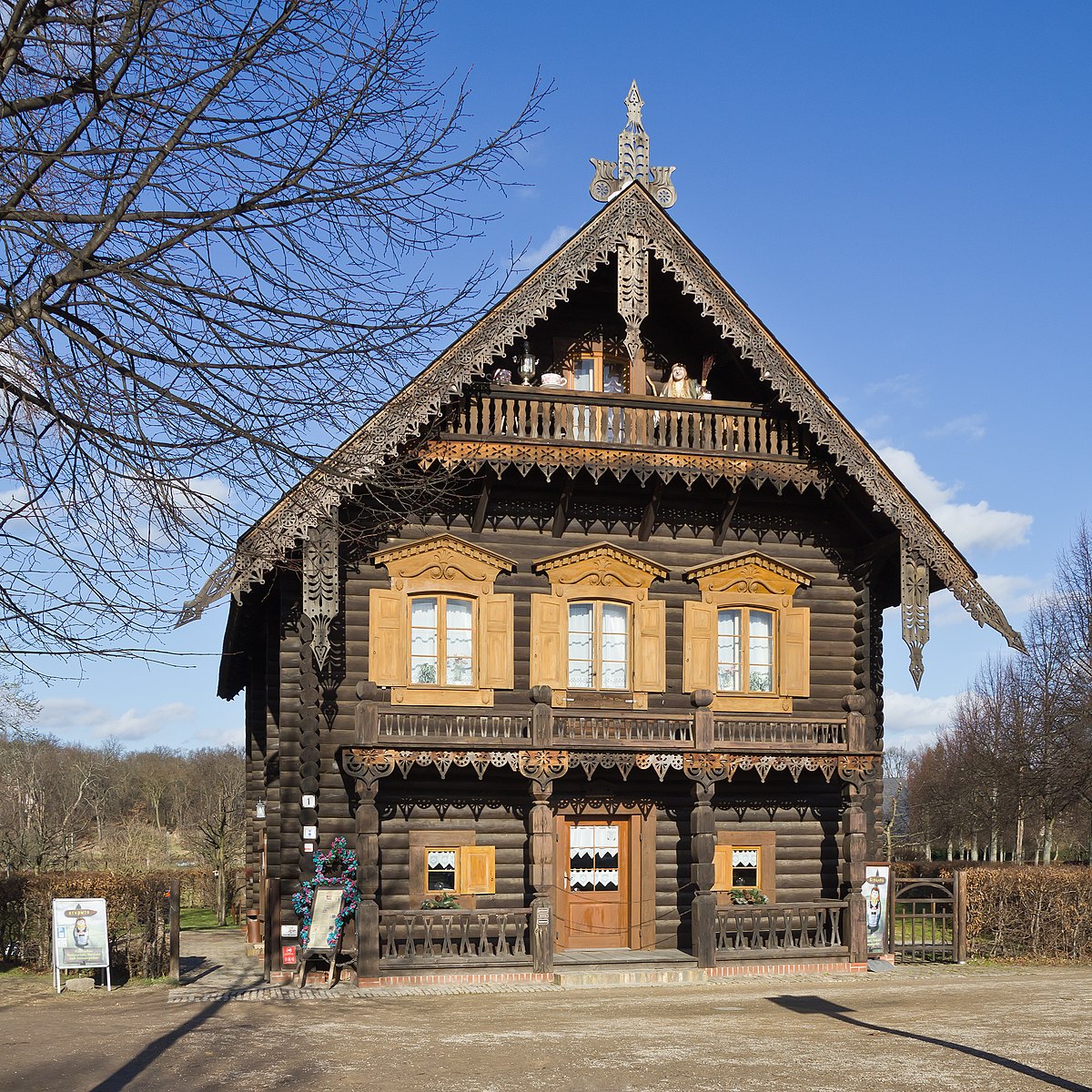
Alexandrowka
📍 Brandenburg, Germany
Located in the picturesque city of Potsdam, Germany, Alexandrowka is an intriguing architectural ensemble that reflects a unique blend of Russian and …

Alte Burg Penzlin
📍 Brandenburg, Germany
Alte Burg Penzlin, a captivating castle located in the quaint town of Penzlin, Germany, serves as a remarkable example of medieval architecture and …

Alte Dorfkirche Röxe
📍 Brandenburg, Germany
The Alte Dorfkirche Röxe stands as a poignant symbol of architectural and cultural history in the Stendal region of Germany. This church building, …
More Palaces

Adelspalast
📍 Bavaria, Germany
The Adelspalast, a stunning cultural heritage monument located in the heart of Bamberg, Bavaria, offers visitors an opportunity to explore a …

Aegidienstraße 22
📍 Lower Saxony, Germany
Aegidienstraße 22 is a distinguished palace located in Lübeck’s Old City, a UNESCO World Heritage site known for its well-preserved medieval …

Alexanderpalais (Darmstadt)
📍 Hesse, Germany
The Alexanderpalais in Darmstadt, Germany, is a noteworthy example of architectural elegance and historical significance. This palace, located in the …
Altenburgsches Palais
📍 Lower Saxony, Germany
Altenburgsches Palais, a significant yet non-preserved palace located in the heart of Hanover, Germany, invites visitors to explore its intriguing …

Altenstein Palace
📍 Thuringia, Germany
Altenstein Palace, a striking architectural gem, gracefully ascends a rocky hill on the southwestern slope of the Thuringian Forest in Germany. This …

Älterer Dalberger Hof
📍 Hesse, Germany
The Älterer Dalberger Hof, a distinguished palace located in the heart of Mainz, Germany, offers visitors an intriguing glimpse into the architectural …