
New Golden Steed Barrack
Overview
The New Golden Steed Barrack, an architectural ensemble located in Mainz, Germany, offers a fascinating glimpse into the city’s military heritage and architectural evolution. Constructed in the late 19th century, this building serves not only as a remnant of military history but also as a significant example of the architectural style of its time. Situated at coordinates 50.01092, 8.2438, the barrack is well-placed to be part of a broader exploration of Mainz, a city rich in history and culture.
Visitors to the New Golden Steed Barrack can appreciate its unique design and historical context, making it a worthwhile stop for anyone interested in architecture and military history. Its presence contributes to the understanding of the region’s development during the late 1800s, a period marked by significant changes in both military and civil society. The barrack stands as a reminder of the past, inviting visitors to reflect on the historical narratives that shaped modern Mainz.
History and Significance
The New Golden Steed Barrack’s history is intertwined with the evolution of military architecture in Germany during the late 19th century. Although the exact year of its construction is not confirmed, it is believed to have been built around 1885. This period was marked by a shift in military needs and strategies, influencing the design and functionality of barracks across the nation.
As a part of the architectural ensemble in Mainz, the barrack reflects the changing attitudes towards military life and urban development during this time. The building was constructed to accommodate soldiers and support military training, serving as a hub for military activity in the region. It also played a role in the social fabric of Mainz, as it influenced the dynamics between the military and civilian population.
Architecturally, the New Golden Steed Barrack represents the stylistic choices of its era, incorporating elements that were popular in military buildings of the time. Its design not only fulfilled practical needs but also aimed to project power and stability, reflecting the military ethos of the period. The barrack stands as an important cultural landmark, inviting visitors to explore the narratives of military service, urban expansion, and architectural innovation.
Architecture and Features
The New Golden Steed Barrack is an architectural ensemble that encapsulates the characteristics of late 19th-century military architecture. While specific architectural details are not provided, the building is expected to feature robust construction typical of its time, designed to withstand the rigors of military use while also serving administrative and supportive functions.
The design of the barrack likely includes functional spaces for housing soldiers, training facilities, and possibly administrative offices, all reflecting the practical needs of a military installation. The architectural style may exhibit a combination of utility and aesthetic considerations, aiming to create a structure that is both functional and visually imposing.
Visitors can look forward to observing the façade, which may showcase design elements typical of the period, such as symmetrical compositions, large windows for natural light, and strategic use of brick and stone. The barrack’s overall layout would provide insight into the military’s approach to organization and discipline, as well as its integration into the urban landscape of Mainz.
Visiting Information
Visiting the New Golden Steed Barrack offers a unique opportunity to engage with a historical site of architectural significance. To reach the barrack, visitors can utilize various forms of transport available in Mainz, including public transit options such as buses and trams, which connect to the city center and surrounding areas.
While specific hours of operation and ticket prices are not detailed, it is advisable to check the official website for current information regarding visiting times and any potential costs associated with entry.
A visit to the New Golden Steed Barrack typically requires a couple of hours, allowing ample time to explore the exterior and appreciate the architectural details. The best times to visit would be during weekdays when foot traffic may be lighter, providing a more tranquil experience for exploration and photography.
Nearby Attractions
The New Golden Steed Barrack is in proximity to other notable attractions in Mainz, which are worth exploring:
Mainz Cathedral (Mainzer Dom): A stunning example of Romanesque architecture, this cathedral is a key landmark in the city and offers visitors a glimpse into Mainz’s rich ecclesiastical history.
Gutenberg Museum: Celebrating the life and inventions of Johannes Gutenberg, this museum provides insights into the history of printing and has a remarkable collection of early printed books.
St. Stephen’s Church (Stephanskirche): Known for its striking stained glass windows designed by Marc Chagall, this church is a significant religious site in Mainz.
Old Town (Altstadt): The charming old town area is filled with narrow streets, historic buildings, and vibrant squares, perfect for leisurely exploration and enjoying local cuisine.
Rhine River Promenade: A scenic area for walking and enjoying the views of the Rhine River, it offers a relaxing atmosphere and opportunities for riverside dining.
Insider Tips
To make the most of your visit to the New Golden Steed Barrack, consider the following tips:
Photography Tips: The barrack’s architectural features are best captured in the soft light of early morning or late afternoon. Bring a zoom lens to focus on intricate details and a wide-angle lens for capturing the entire structure.
Crowd Avoidance: Visiting during weekdays, especially in the morning, can help you avoid larger crowds, allowing for a more personal experience with the site.
Practical Information
When planning your visit to the New Golden Steed Barrack, here are some practical considerations:
What to Bring: Comfortable walking shoes are recommended, as you may explore the surrounding area. Bringing a camera is encouraged to capture the architecture and your experience.
Seasonal Considerations: Depending on the season, be prepared for varying weather conditions. Spring and autumn usually provide mild weather, ideal for outdoor exploration, while summer can be warm and pleasant.
Frequently Asked Questions
How long should I spend visiting?
A visit to the New Golden Steed Barrack typically requires around two hours to fully appreciate the architecture and surroundings.
Is photography allowed?
Photography is generally permitted, but it’s advisable to check for any specific regulations upon arrival.
Are there guided tours?
Information about guided tours may vary, so check the official website for any available options and scheduling.
What’s the best time to visit?
Weekdays, particularly in the morning, tend to be less crowded, making for a more enjoyable visit.
Is it wheelchair accessible?
Accessibility details are not specified; it’s best to check the official website for information regarding wheelchair access.
Can I buy tickets online?
Information about online ticket purchases is not provided, so it’s wise to refer to the official website for current ticketing options.
Are there restrooms and cafes?
Details regarding facilities such as restrooms and cafes are not available; consider checking the official website for visitor amenities.
What should I wear?
Comfortable, weather-appropriate clothing is recommended, especially if you plan to explore the surrounding areas.
More in Hesse

Abri IX
📍 Hesse, Germany
Abri IX is an archaeological site located in Gleichen, Germany, that captures the essence of human history through its fascinating remnants. This site …

Ackerbürgermuseum Haus Leck
📍 Hesse, Germany
Ackerbürgermuseum Haus Leck is a culturally significant museum located in Germany’s Grebenstein region, dedicated to preserving and showcasing the …

Actien-Brauerei Homburg v. d. Höhe
📍 Hesse, Germany
Actien-Brauerei Homburg v. d. Höhe is a significant historical brewery located in Bad Homburg vor der Höhe, Germany. This former brewery is a …

Active Museum Spiegelgasse
📍 Hesse, Germany
Active Museum Spiegelgasse is a vital institution dedicated to preserving and exploring the German-Jewish history of Wiesbaden, Germany. Located in …

Adornodenkmal
📍 Hesse, Germany
Adornodenkmal, a prominent monument located in Frankfurt am Main, Germany, serves as a significant cultural landmark that encapsulates the spirit of …
Affentor
📍 Hesse, Germany
Affentor, the southernmost of the medieval city gates of Frankfurt am Main, serves as a historical marker of the city’s rich past and architectural …
More Architectural Ensembles

144., 176. und 184. Gemeindeschule
📍 Berlin, Germany
The 144., 176. und 184. Gemeindeschule, an architectural ensemble located in the vibrant city of Berlin, stands as a noteworthy example of educational …

Adelheidstraße 3–7, 9–12, 12a, 14, 15, 22–31, Amelungstraße 1, Friedrich-Ebert-Platz
📍 Lower Saxony, Germany
In the heart of Quedlinburg, Germany, lies a captivating architectural ensemble that reflects the town’s historical significance and cultural …

Aegidiimarkt
📍 Lower Saxony, Germany
Aegidiimarkt is a captivating architectural ensemble located in the heart of Münster, Germany. This vibrant square not only serves as a hub for local …
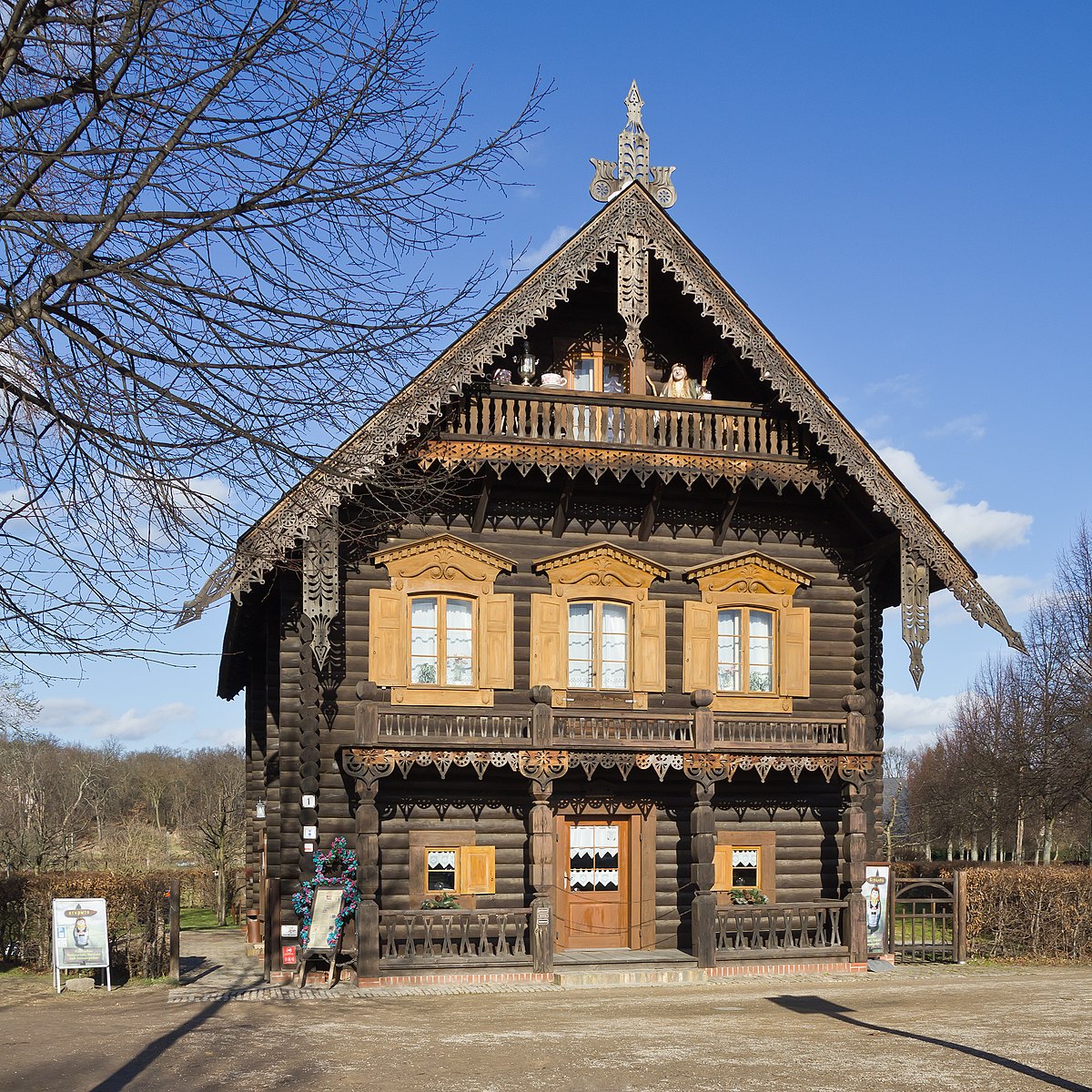
Alexandrowka
📍 Brandenburg, Germany
Located in the picturesque city of Potsdam, Germany, Alexandrowka is an intriguing architectural ensemble that reflects a unique blend of Russian and …

Alhauser Hammer
📍 North Rhine-Westphalia, Germany
Alhauser Hammer is a remarkable architectural ensemble located in Ennepetal, Germany, known for its historical significance as a water-driven hammer …

Alsdorfer Ölmühle
📍 North Rhine-Westphalia, Germany
The Alsdorfer Ölmühle, an architectural ensemble located in the heart of Alsdorf, Germany, is a remarkable example of a traditional watermill that …