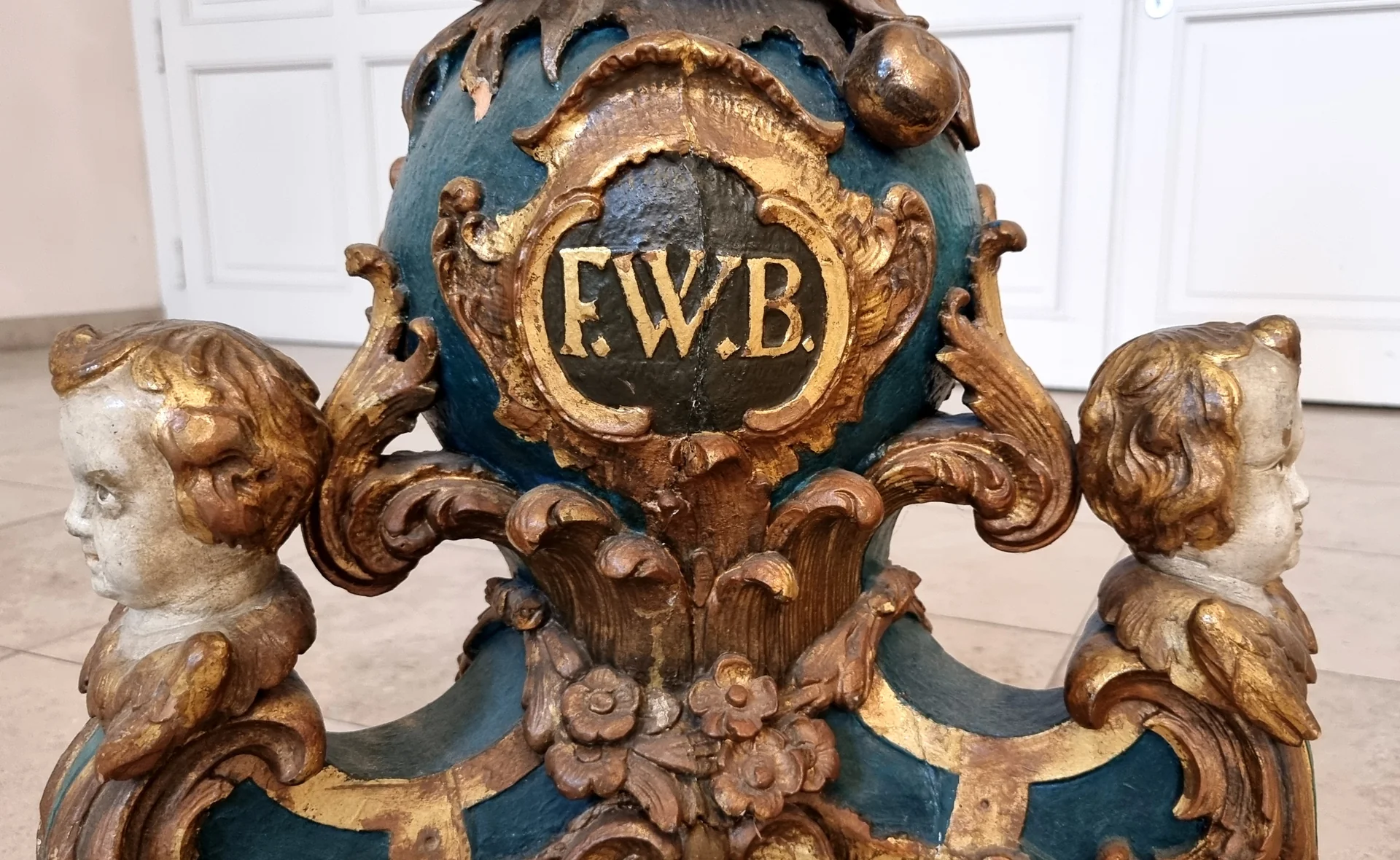
Neustädter Hof- und Stadtkirche St. Johannis
Overview
In the heart of Hanover, Germany, the Neustädter Hof- und Stadtkirche St. Johannis presents a captivating blend of spirituality and architectural elegance. Founded in 1670, this church stands as a significant landmark within the region of Mitte, characterized by its striking Baroque architecture. As you approach, the grandeur of its facade invites reflection on the historical journey of the city and its Lutheran heritage.
The surrounding landscape is imbued with urban charm, offering a glimpse into Hanover’s vibrant cultural life. The church not only serves as a place of worship but also as a historical testament to the evolution of religious architecture in the area. Visitors will discover intricate details that speak volumes about the craftsmanship of the era and the religious devotion that has shaped this site over centuries.
Your visit to Neustädter Hof- und Stadtkirche St. Johannis promises an enriching experience, revealing stories of faith, artistry, and community that have woven together the fabric of Hanover’s past.
History and Significance
The Neustädter Hof- und Stadtkirche St. Johannis was founded in 1670, marking an important moment in Hanover’s ecclesiastical history. Its establishment reflects the broader trends in religious architecture during this period, particularly as Lutheranism gained prominence. The church has since become a pivotal site for the local community, embodying both spiritual and cultural significance.
Designed by architect Girolamo Sartorio, the church showcases the Baroque style, which was prevalent in Europe during the 17th century. This architectural choice illustrates the influence of the Baroque movement on religious structures, emphasizing grandeur and ornamentation to inspire awe among worshippers. Over time, Neustädter Hof- und Stadtkirche has remained a central place for Lutheran worship, adapting to the changing needs of its congregation while retaining its historical essence.
While it does not hold UNESCO World Heritage status, its architectural and cultural significance contributes to the rich tapestry of Hanover’s heritage. The church stands not only as a place for spiritual gatherings but also as a witness to the city’s evolution through various historical phases.
Architecture and Features
The Neustädter Hof- und Stadtkirche St. Johannis is an exemplary representation of Baroque architecture in Hanover. Its design is marked by dramatic elements typical of this style, which include ornate decorations and a sense of verticality that draws the eye upward, creating an atmosphere of divine aspiration.
Visitors will be captivated by its intricate facade, which features sculptural details that reflect the artistic trends of the late 17th century. The use of light and shadow in its construction enhances its visual appeal, making it a notable subject for photography. Inside, the church offers a serene environment characterized by its elegant interior design that complements its exterior grandeur.
The materials used in the construction echo the durability and aesthetic preferences of the Baroque period, ensuring that this architectural gem has stood the test of time. Visitors are encouraged to explore both the interior and exterior to fully appreciate the craftsmanship involved in creating such an enduring place of worship.
Visiting Information
Getting to Neustädter Hof- und Stadtkirche St. Johannis is straightforward, thanks to Hanover’s efficient public transport system. Various tram and bus lines service the area, making it accessible for both locals and tourists alike.
Hours: Check the official website for current opening hours.
Prices: Visit the official website for current admission prices.
Upon entering, you can expect a tranquil atmosphere where you can reflect or participate in services if available. The church typically allows visitors to explore at their own pace, taking in the architectural details and historical artifacts.
Plan to spend about 1-2 hours at the church to fully absorb its ambiance and history. The best times to visit are early in the morning or during weekdays when crowds are fewer. Spring and fall are ideal seasons for visiting, offering pleasant weather to enhance your experience.
Accessibility may vary, so it’s advisable to contact the site directly for the latest information regarding facilities for visitors with mobility challenges.
Nearby Attractions
While visiting Neustädter Hof- und Stadtkirche St. Johannis, take advantage of your time in Hanover by exploring these nearby attractions:
- Hannover City Hall: An impressive building known for its grand architecture and panoramic viewing platform.
- Maschpark: A picturesque park perfect for leisurely strolls or picnicking amidst greenery.
- Lower Saxony State Museum: A cultural institution showcasing art, history, and natural sciences.
- Herrenhäuser Gärten: A stunning collection of gardens that exemplify European landscape design.
- Market Church (Marktkirche): Another historical church known for its striking brick architecture and vibrant community life.
These sites collectively enhance your visit to Hanover, offering diverse experiences that complement your exploration of Neustädter Hof- und Stadtkirche.
Insider Tips
For an optimal visit to Neustädter Hof- und Stadtkirche St. Johannis, consider these insider tips:
- Photography Spots: Capture striking images from various angles around the exterior; early morning light creates captivating shadows on the facade.
- Lesser-Known Details: Look closely at the intricate carvings and decorations inside; they tell stories of faith and artistry from the Baroque era.
- Crowd Avoidance: To sidestep larger crowds, aim for mid-week visits or early morning when fewer visitors are present.
- Local Insights: Engage with staff or volunteers if available; they often share fascinating anecdotes about the church’s history and architectural features.
Practical Information
In preparation for your visit to Neustädter Hof- und Stadtkirche St. Johannis, keep these practical details in mind:
- Bring comfortable walking shoes to navigate both inside and around the church.
- A small camera or smartphone is ideal for capturing memorable moments.
- Seasonal considerations are essential; dress appropriately for weather conditions during your visit.
- Consider visiting nearby attractions before or after your trip to maximize your experience in Hanover.
Frequently Asked Questions
How long should I spend visiting?
Plan to spend about 1-2 hours at Neustädter Hof- und Stadtkirche St. Johannis to fully appreciate its architectural beauty and historical significance.
Is photography allowed inside?
Generally, photography is permitted inside; however, it’s always best to check for any specific restrictions upon entry.
Are there guided tours available?
Currently, there are no specific guided tours listed; however, self-guided exploration allows you to enjoy the site at your own pace.
What’s the best time of day to visit?
Visiting early in the morning or during weekdays is recommended for fewer crowds and a more serene experience.
Is the site wheelchair accessible?
Accessibility may vary; it’s advisable to contact the site directly for detailed information on facilities available for visitors with mobility needs.
Can I buy tickets online?
Check the official website for current admission prices and any online ticket purchasing options available.
Are there facilities like restrooms and cafes?
Facilities may be limited; it’s advisable to check directly with the site regarding available amenities during your visit.
What should I wear when visiting?
Dress comfortably while keeping in mind that this is a place of worship; modest attire is recommended out of respect for its spiritual significance.
Photo Gallery


Location
More in Lower Saxony
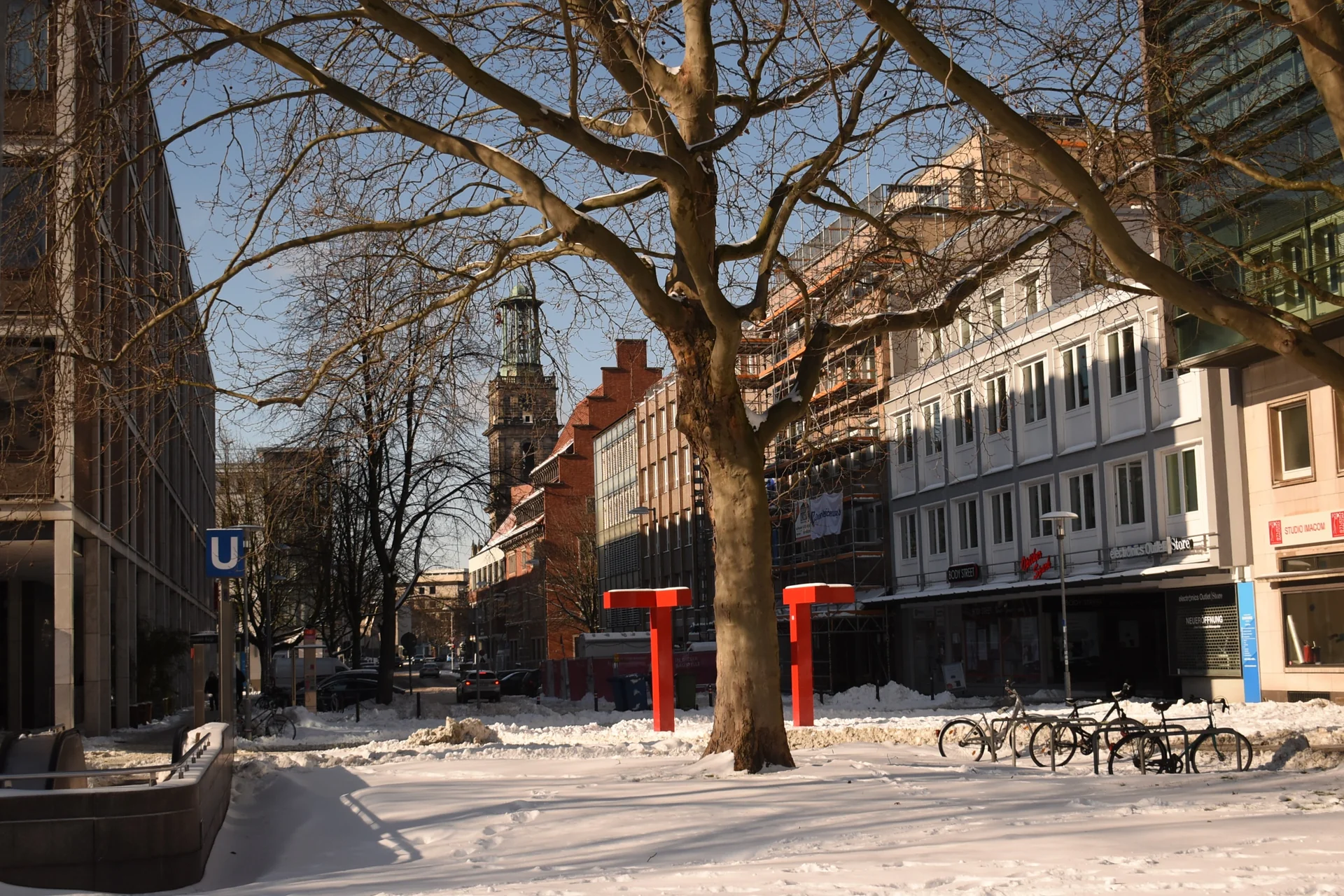
Aegidienkirche
📍 Lower Saxony
In the heart of Hannover, Germany, lies Aegidienkirche, a striking church ruin that invites both reflection and exploration. Founded in 1347, this Gothi...
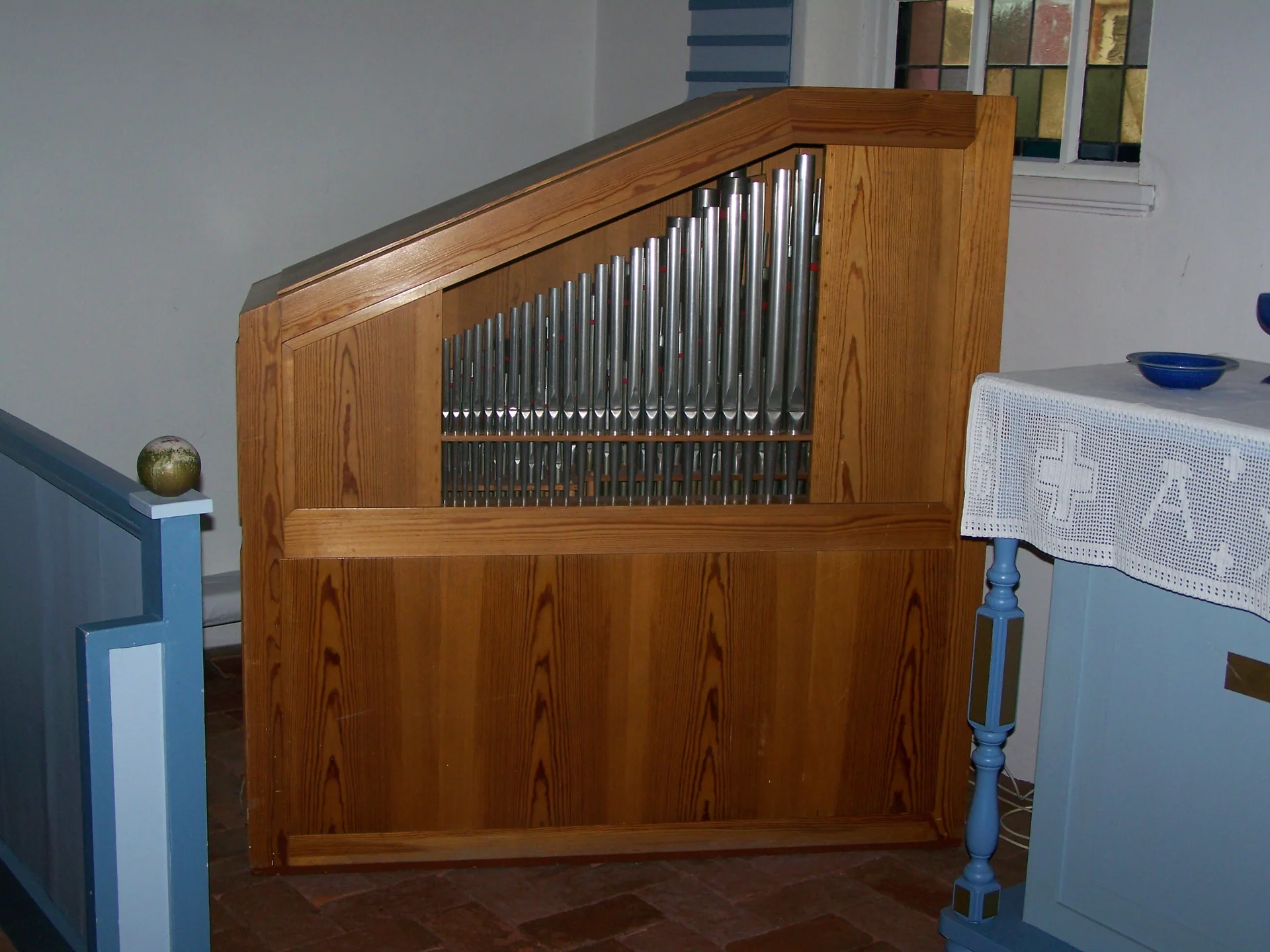
Alte Inselkirche
📍 Lower Saxony
The Alte Inselkirche, a striking church building located on the tranquil island of Spiekeroog in Germany, offers visitors a glimpse into the serene beau...
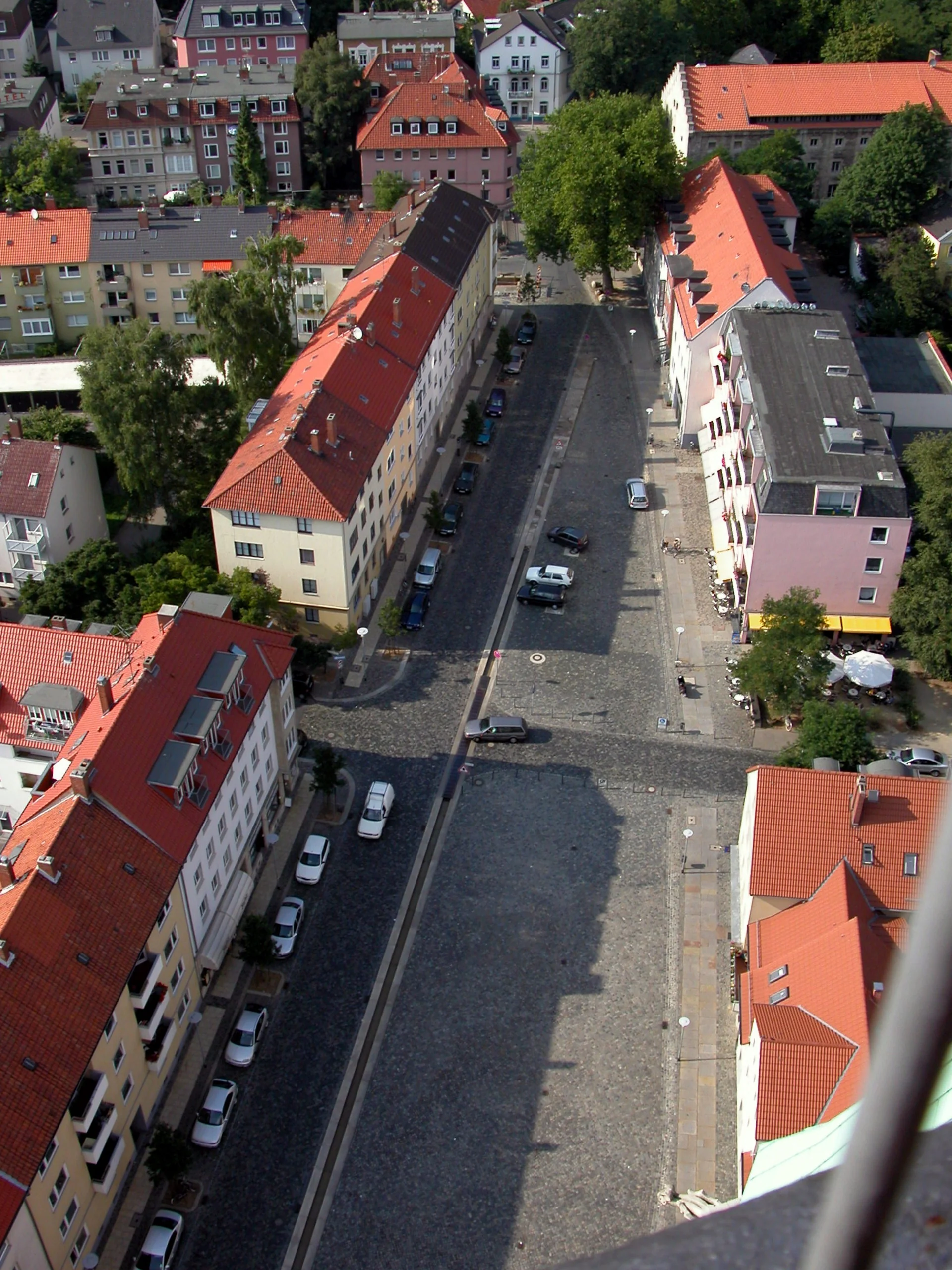
Andreaskirche (Norden)
📍 Lower Saxony
In the heart of Norden, Germany, the Andreaskirche stands as a remarkable example of Brick Gothic architecture. This church, constructed primarily from ...
Antoniuskirche
📍 Lower Saxony
In the tranquil region of Bispingen, Germany, the Antoniuskirche stands as a remarkable example of Gothic Revival architecture. Constructed predominantl...