
Neues Museum Weimar
Overview
In the heart of Weimar, Germany, the Neues Museum stands as a cultural hub, inviting art enthusiasts and casual visitors alike to explore its extensive collections. This art museum is not just a repository of artistic expression; it is a reflection of the rich cultural landscape that defines Weimar, a city historically linked to thinkers, writers, and artists. Positioned in a region that has witnessed pivotal moments in German history, the museum offers an engaging experience that highlights both local and international art.
The significance of the Neues Museum extends beyond its artistic displays. The museum is situated in a city recognized for its contributions to literature, philosophy, and the arts, making it a vital stop for those wishing to understand the interplay between these disciplines. Visitors can expect a place where historical narratives and artistic endeavors converge, providing a deeper appreciation of the evolution of art over the centuries.
As you step inside, the museum promises a diverse array of exhibitions that cater to various tastes and interests. Whether you are drawn to contemporary pieces or historical artifacts, the Neues Museum serves as a gateway to understanding the artistic movements that have shaped our world.
History and Significance
The Neues Museum has a storied past that reflects the cultural evolution of Weimar itself. Founded during a time when the city was emerging as a center of intellectual and artistic thought, the museum has played a critical role in preserving and showcasing the works of both local and international artists. Its establishment was part of a broader effort to cultivate a public appreciation for the arts, linking it to Weimar’s identity as a cultural epicenter.
Throughout its history, the museum has adapted to the changing tides of artistic expression. It has hosted countless exhibitions that highlight pivotal movements in art history, from Romanticism to modernism. This adaptability has allowed the Neues Museum to remain relevant, continually engaging the public with fresh perspectives and innovative displays.
In addition to its exhibitions, the museum has also been a venue for lectures, workshops, and community events, fostering a dialogue between artists and the public. This cultural exchange is essential to understanding the museum’s significance; it is not merely a space for viewing art but a dynamic environment for artistic discourse.
The museum’s commitment to education and outreach has made it an indispensable part of Weimar’s cultural landscape. Its collections, which include works from various epochs and styles, are a testament to the diversity of human expression. As visitors stroll through its halls, they encounter not only art but also the stories and histories that surround each piece, enriching their understanding of the broader cultural context.
Architecture and Features
The Neues Museum’s architecture reflects the values of the era in which it was built, characterized by a blend of functionality and aesthetic appeal. The design exemplifies the principles of classicism, with clean lines and a harmonious layout that guides visitors through its galleries. The museum’s facade features traditional elements that resonate with the broader architectural style of Weimar, which is known for its historic buildings and cultural significance.
Inside, the museum is arranged to facilitate an engaging viewing experience. Natural light floods the galleries, illuminating works of art and enhancing the overall atmosphere. The layout encourages exploration, allowing visitors to navigate through various exhibitions at their own pace.
Notable features of the museum include its carefully curated collection, which spans different artistic movements and styles. Each exhibition space is designed to highlight the unique qualities of the works on display, drawing attention to their artistic and historical contexts. This thoughtful arrangement enhances the visitor’s ability to appreciate the nuances of each piece.
While the museum’s structure is designed for functionality, it also reflects an appreciation for beauty. The integration of art and architecture within the museum creates a cohesive experience, where the environment itself becomes an integral part of the artistic narrative.
Visiting Information
To make the most of your visit to the Neues Museum, it is essential to plan ahead. The museum is accessible via various transport options, allowing visitors to easily reach this cultural landmark. Public transportation services in Weimar are efficient, and there are likely local options available for those looking to explore the area further.
As for the operational details, check the official website for current information on hours and ticket prices. This will ensure you have the most accurate and up-to-date information before your visit.
Expect to spend a considerable amount of time exploring the diverse exhibitions. Depending on your level of interest and engagement, a visit could take anywhere from a couple of hours to half a day. The museum is designed to cater to a wide audience, so whether you are an art aficionado or a casual visitor, there is something for everyone.
The best times to visit are generally during weekdays when the museum tends to be less crowded, allowing for a more intimate experience with the art. Special exhibitions or events may draw larger crowds, so consider checking the schedule in advance.
Nearby Attractions
While the Neues Museum is a highlight of Weimar, the city has much more to offer. Here are a few nearby attractions worth exploring:
Bauhaus Museum Weimar: This museum showcases the influential Bauhaus movement, highlighting its impact on art, design, and architecture.
Goethe National Museum: Dedicated to the works and legacy of Johann Wolfgang von Goethe, this museum provides insight into one of Germany’s most revered literary figures.
Schiller Museum: This museum celebrates the life and works of Friedrich Schiller, another significant German playwright and poet, and is located in a charming building that enhances the visitor experience.
Weimar Palace: A magnificent historical site that reflects the aristocratic past of the city, offering beautiful gardens and a glimpse into the life of the ducal court.
Park an der Ilm: A picturesque park that invites visitors to relax in nature, featuring walking paths, historical structures, and an opportunity to appreciate the serene environment of Weimar.
Insider Tips
To enhance your experience at the Neues Museum, here are some insider tips:
Photography: Be sure to check the museum’s photography policy. Some exhibitions may allow photography, while others may not. Respecting these guidelines will ensure a pleasant visit for everyone.
Crowd Avoidance: For a more relaxed experience, aim to visit during the morning hours or on weekdays. This strategy can help you avoid larger groups and allow you to engage more deeply with the exhibits.
Engage with Staff: Don’t hesitate to ask museum staff questions. They often have valuable insights and information about the collections and can enhance your understanding of the exhibits.
Practical Information
When preparing for your visit to the Neues Museum, keep these practical considerations in mind:
What to Bring: Consider bringing a water bottle, comfortable walking shoes, and a notebook for jotting down thoughts or reflections on the artworks.
Seasonal Considerations: Weimar experiences a range of weather throughout the year. Dressing in layers is advisable, as the museum may be cooler inside compared to the outside climate.
Accessibility: The museum is designed to be accessible, but it’s always a good idea to check specific accessibility features on the official website to ensure a smooth visit.
Frequently Asked Questions
How long should I spend visiting?
Depending on your interest level, plan to spend anywhere from two to four hours exploring the museum’s collections.
Is photography allowed?
Photography policies may vary by exhibition. Check with museum staff or the official website for specific guidelines.
Are there guided tours?
Guided tours may be available; check the official website for options and scheduling.
What’s the best time to visit?
Weekdays, particularly in the morning, tend to be less crowded, providing a more intimate experience.
Is it wheelchair accessible?
The museum is designed to accommodate visitors with mobility challenges. For specific details, refer to the official website.
Can I buy tickets online?
Check the official website for information on ticket purchasing options.
Are there restrooms and cafes?
Facilities such as restrooms are typically available. For food and beverages, check if the museum has a café or nearby dining options.
What should I wear?
Dress comfortably, bearing in mind the weather and the museum’s indoor climate. Comfortable shoes are recommended for walking through the exhibitions.
More in Saxony-Anhalt

Ägidienkurie (Naumburg)
📍 Saxony-Anhalt, Germany
The Ägidienkurie, a quaint chapel located in the heart of Naumburg, Germany, offers visitors a glimpse into the rich ecclesiastical heritage of the …
Al-Kholafa´a Moschee
📍 Saxony-Anhalt, Germany
The Al-Kholafa´a Moschee, located in Weimar, Germany, is a significant religious site that embodies the cultural diversity of this historic city. As a …

Alte Oper
📍 Saxony-Anhalt, Germany
The Alte Oper, a distinguished theatre building in Erfurt, Germany, serves as a vibrant hub for cultural events and artistic performances. This …

Altes Schloss Dornburg
📍 Saxony-Anhalt, Germany
Altes Schloss Dornburg, a magnificent palace located in the charming region of Dornburg-Camburg, Germany, is a site that draws visitors with its …

Anatomieturm Jena
📍 Saxony-Anhalt, Germany
The Anatomieturm Jena, a historic tower located in the city of Jena, Germany, is an intriguing remnant of the region’s architectural heritage. This …

Andreaskirche (Erfurt)
📍 Saxony-Anhalt, Germany
The Andreaskirche, an emblematic church building located in the heart of Erfurt, Germany, stands as a significant architectural and cultural landmark. …
More Art Museums

Aachen Cathedral Treasury
📍 North Rhine-Westphalia, Germany
Aachen Cathedral Treasury, located in the historic city of Aachen, Germany, is a remarkable art museum that houses an impressive collection of …

Abteiberg Museum
📍 North Rhine-Westphalia, Germany
In the heart of Mönchengladbach, Germany, the Abteiberg Museum stands out as a prominent destination for art enthusiasts and cultural explorers alike. …

Akademisches Kunstmuseum
📍 North Rhine-Westphalia, Germany
In the heart of Bonn, Germany, lies the Akademisches Kunstmuseum, an art museum that invites visitors to explore a diverse collection of artworks …

Albertinum
📍 Saxony, Germany
Albertinum is a prominent art museum located in the heart of Dresden, Germany, serving as a significant cultural institution in the region. …

Albrecht Dürer's House
📍 Bavaria, Germany
Albrecht Dürer’s House stands as a significant cultural landmark in Nuremberg, Germany, celebrating the life and work of one of the Renaissance’s most …
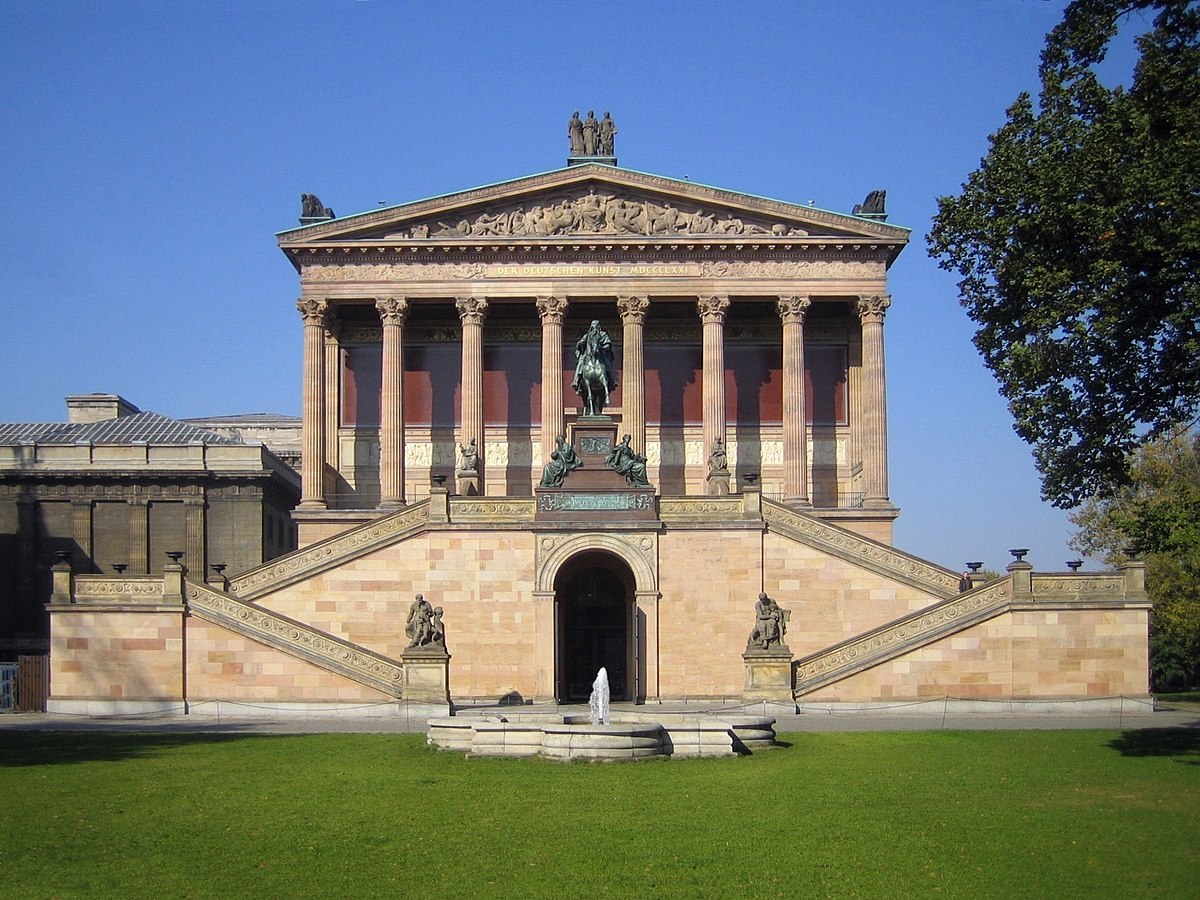
Alte Nationalgalerie
📍 Berlin, Germany
The Alte Nationalgalerie, an esteemed art museum located in Berlin’s Bezirk Mitte, is a cornerstone of cultural appreciation in Germany. This museum …