
Neuer Zollhof
Overview
In the heart of Düsseldorf, the Neuer Zollhof stands as an iconic architectural ensemble that reflects the innovative spirit of modern design. Located at the confluence of the Rhine River and the bustling urban landscape, this striking collection of structures captivates visitors with its unconventional forms and progressive aesthetics. The site serves not only as a testament to contemporary architecture but also as a cultural hub, inviting exploration and admiration from locals and tourists alike.
The Neuer Zollhof is situated in Düsseldorf, a city renowned for its vibrant arts scene and rich history. This architectural marvel was designed by the renowned architect Frank Gehry, whose visionary approach has transformed the skyline of many cities. Visitors to the Neuer Zollhof will find themselves immersed in a unique blend of creativity and functionality, making it a must-see destination for anyone interested in architecture and urban culture.
This guide will navigate through the fascinating history, architectural significance, and practical information for visiting the Neuer Zollhof, ensuring that your experience is both enriching and enjoyable.
History and Significance
The Neuer Zollhof is more than just a collection of buildings; it represents a pivotal moment in the evolution of architectural design in Düsseldorf. The site was developed during a time when the city was undergoing significant transformation, reflecting the rapid changes in urban life and the growing importance of innovative architectural solutions.
Though specific dates for its construction and development are not detailed, the architectural ensemble has come to symbolize the modern identity of Düsseldorf. The design of the buildings reflects not only cutting-edge aesthetics but also a response to the historical context of the area, where traditional structures meet contemporary ideals. Gehry’s work at Neuer Zollhof aligns with his broader philosophy of architecture, which often blurs the line between art and utility.
The cultural significance of Neuer Zollhof extends beyond its architectural merits. It has become a gathering point for both locals and visitors, fostering a sense of community and engagement. The site is frequently used for exhibitions, events, and public discussions, highlighting its role as a dynamic space in the urban landscape. This intersection of culture and architecture has made Neuer Zollhof a landmark, celebrated for its contribution to the dialogue around modern design and urban living.
Architecture and Features
The architectural ensemble of Neuer Zollhof is characterized by its bold forms and dynamic lines, which challenge conventional notions of structure and space. Frank Gehry’s design is marked by its playful, deconstructivist style, where traditional building techniques are reinterpreted to create a fluid and organic appearance.
The ensemble comprises three main buildings, each featuring distinct geometric shapes and metallic facades that shimmer in the light. The use of stainless steel and glass creates a striking visual contrast against the backdrop of Düsseldorf’s more traditional architecture. The buildings’ undulating surfaces and irregular shapes engage viewers and encourage exploration from various angles, revealing new perspectives with each step.
Inside, the spaces are designed to be functional yet unconventional, catering to a variety of uses. The open-plan layouts allow for flexibility, making them suitable for offices, galleries, and other creative endeavors. The interplay of light and shadow within these spaces further enhances the experience, inviting visitors to appreciate the architecture on a sensory level.
Overall, the Neuer Zollhof stands as a significant achievement in contemporary architecture, reflecting the ingenuity and forward-thinking mindset that defines modern design.
Visiting Information
Visiting the Neuer Zollhof provides an opportunity to engage with cutting-edge architecture while exploring the vibrant atmosphere of Düsseldorf. To reach the site, various transport options are available, including public transportation such as buses and trams, which connect to the city’s extensive network. Visitors can also opt for cycling, as the area is bike-friendly, or enjoy a scenic walk along the Rhine River.
To plan your visit effectively, it’s advisable to check the official website for current information on opening hours and any potential entry fees. Expect to spend at least an hour at the Neuer Zollhof to fully appreciate its architectural nuances and take in the surrounding environment.
The best times to visit are during the early morning or late afternoon, when the natural light enhances the visual appeal of the buildings. Additionally, weekdays tend to be less crowded than weekends, allowing for a more relaxed experience.
Nearby Attractions
After exploring the Neuer Zollhof, visitors can continue their cultural journey by checking out several nearby attractions:
Media Harbor (MedienHafen): Just a short walk from Neuer Zollhof, the Media Harbor is a vibrant area characterized by its modern architecture and a lively atmosphere. This waterfront district is home to numerous restaurants, bars, and shops, making it an ideal spot for dining and leisure.
Kunstsammlung Nordrhein-Westfalen: This renowned art museum showcases an impressive collection of modern and contemporary art. Its proximity to Neuer Zollhof makes it a perfect follow-up destination for art enthusiasts.
Rheinturm: This iconic telecommunications tower offers panoramic views of Düsseldorf and the Rhine River. Visitors can enjoy a meal or drink at the restaurant located at the top, enhancing their experience with breathtaking vistas.
Old Town (Altstadt): Known as “the longest bar in the world,” Düsseldorf’s Old Town is filled with charming streets, traditional pubs, and historical sites. It’s a great place to soak in the local culture and enjoy regional delicacies.
St. Lambertus Church: A short distance from the Neuer Zollhof, this historic church is notable for its twisted tower and beautiful stained glass windows, offering a glimpse into the city’s architectural heritage.
Insider Tips
To make the most of your visit to Neuer Zollhof, consider the following insider tips:
Photography: The unique design of the buildings makes for stunning photographs. Early morning or late afternoon light will enhance your photos, so plan accordingly. Be mindful of the angles you choose; different perspectives can create striking compositions.
Crowd Avoidance: To enjoy a quieter experience, visit during weekdays or early in the day. The weekends can attract more tourists, which may affect your ability to fully appreciate the space.
Practical Information
When planning your visit to Neuer Zollhof, keep a few practical considerations in mind:
What to Bring: Comfortable walking shoes are recommended, as you will likely explore the surrounding area on foot. A camera is also essential for capturing the architectural beauty.
Seasonal Considerations: Depending on the season, dress appropriately. The outdoor spaces can be quite enjoyable in pleasant weather, while winter months may require warmer clothing.
Frequently Asked Questions
How long should I spend visiting?
Plan to spend at least an hour at Neuer Zollhof to explore the architecture and surrounding area, but you could easily extend your visit if you choose to enjoy nearby attractions as well.
Is photography allowed?
Yes, photography is allowed, and the unique architecture provides excellent opportunities for capturing stunning images.
Are there guided tours?
Guided tours may be available, but it’s advisable to check the official website for current offerings and details.
What’s the best time to visit?
Early mornings or late afternoons on weekdays are ideal for fewer crowds and better lighting for photographs.
Is it wheelchair accessible?
While specific accessibility information is not detailed, most modern architectural sites like Neuer Zollhof aim to accommodate visitors with mobility challenges. Check the official website for detailed accessibility options.
Can I buy tickets online?
Check the official website for current information regarding ticket purchasing options.
Are there restrooms and cafes?
Facilities may be available nearby, but it’s best to check the official site for specifics.
What should I wear?
Comfortable clothing and shoes are recommended, especially if you plan to explore the surrounding area on foot.
In summary, the Neuer Zollhof in Düsseldorf invites visitors to experience the intersection of innovative architecture and urban culture. With its striking design, engaging history, and surrounding attractions, it is a destination that promises to inspire and captivate all who explore its unique offerings.
More in North Rhine-Westphalia

Aachen Cathedral
📍 North Rhine-Westphalia, Germany
Aachen Cathedral, a magnificent Roman-Catholic structure located in the historic city of Aachen, Germany, is a masterpiece of architectural design and …

Aachen Cathedral Treasury
📍 North Rhine-Westphalia, Germany
Aachen Cathedral Treasury, located in the historic city of Aachen, Germany, is a remarkable art museum that houses an impressive collection of …

Aachen Chapel of Hungary
📍 North Rhine-Westphalia, Germany
The Aachen Chapel of Hungary, a significant part of the Aachen Cathedral complex in Germany, serves as an emblem of the cultural exchange between …

Aachen-Rothe Erde station
📍 North Rhine-Westphalia, Germany
Aachen-Rothe Erde station serves as a crucial node in the intricate web of Germany’s railway network, located in the vibrant city of Aachen. This …

Aachener Tierpark Euregiozoo
📍 North Rhine-Westphalia, Germany
The Aachener Tierpark Euregiozoo, located in the heart of Aachen-Mitte, Germany, is a captivating destination for animal lovers and families alike. …

Abtei Mariendonk
📍 North Rhine-Westphalia, Germany
Abtei Mariendonk, a serene monastery located in the tranquil region of Grefrath, Germany, invites visitors to explore its spiritual and architectural …
More Architectural Ensembles

144., 176. und 184. Gemeindeschule
📍 Berlin, Germany
The 144., 176. und 184. Gemeindeschule, an architectural ensemble located in the vibrant city of Berlin, stands as a noteworthy example of educational …

Adelheidstraße 3–7, 9–12, 12a, 14, 15, 22–31, Amelungstraße 1, Friedrich-Ebert-Platz
📍 Lower Saxony, Germany
In the heart of Quedlinburg, Germany, lies a captivating architectural ensemble that reflects the town’s historical significance and cultural …

Aegidiimarkt
📍 Lower Saxony, Germany
Aegidiimarkt is a captivating architectural ensemble located in the heart of Münster, Germany. This vibrant square not only serves as a hub for local …
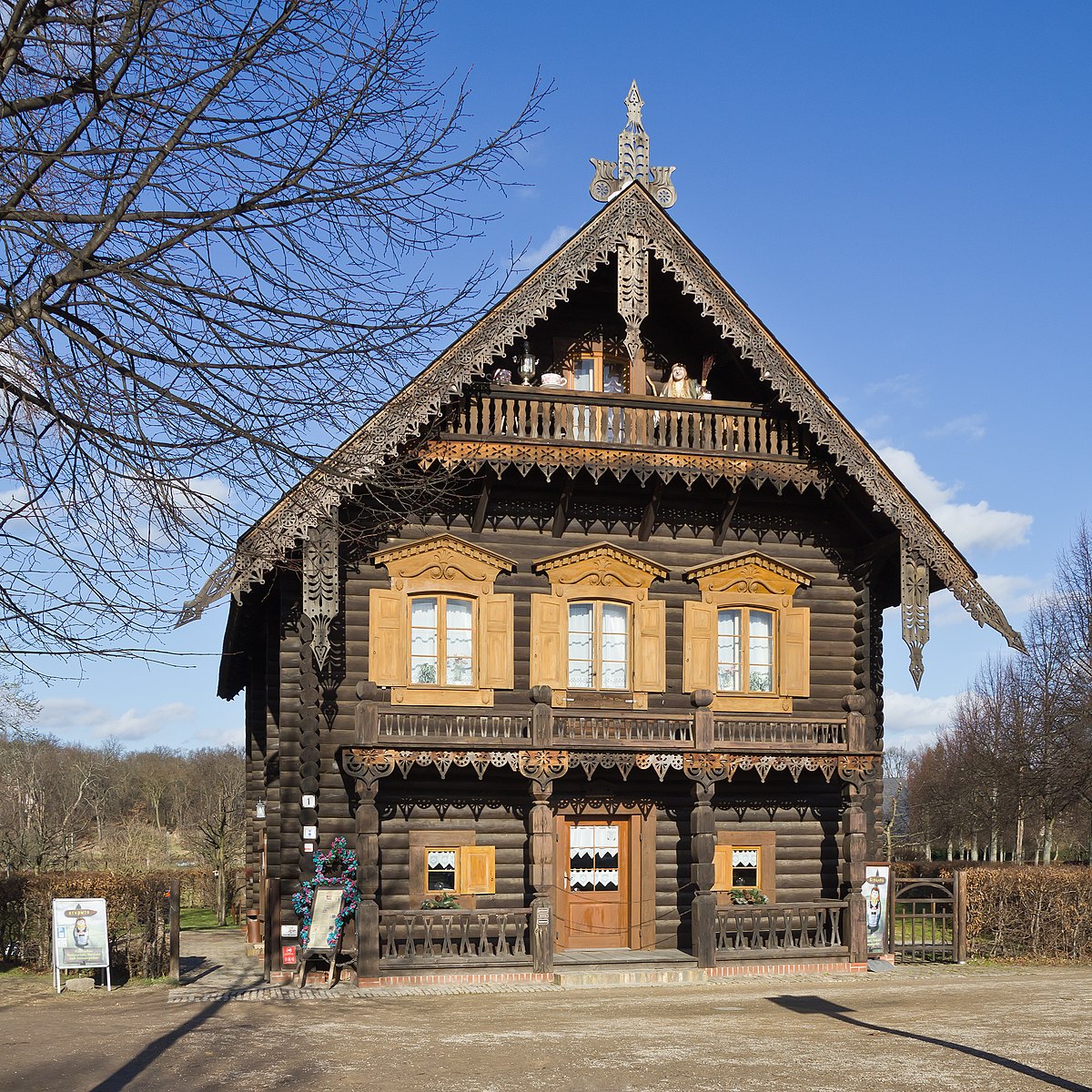
Alexandrowka
📍 Brandenburg, Germany
Located in the picturesque city of Potsdam, Germany, Alexandrowka is an intriguing architectural ensemble that reflects a unique blend of Russian and …

Alhauser Hammer
📍 North Rhine-Westphalia, Germany
Alhauser Hammer is a remarkable architectural ensemble located in Ennepetal, Germany, known for its historical significance as a water-driven hammer …

Alsdorfer Ölmühle
📍 North Rhine-Westphalia, Germany
The Alsdorfer Ölmühle, an architectural ensemble located in the heart of Alsdorf, Germany, is a remarkable example of a traditional watermill that …