Overview
The Neuengamme Concentration Camp - Bullenhuser Damm Memorial serves as a poignant reminder of the atrocities committed during World War II, encapsulating the dark chapters of human history within its grounds in Hamburg, Germany. This memorial is dedicated to the memory of the victims of the Neuengamme concentration camp, where thousands suffered under the oppressive regime of the Nazis. The site is not only a museum but a solemn place of reflection, designed to educate visitors about the horrors of the Holocaust and emphasize the importance of remembrance and reconciliation.
Located in the northern region of Germany, this memorial holds profound significance, as it stands on the grounds where many innocent lives were lost. The Bullenhuser Damm site specifically memorializes the tragic fate of children who were subjected to inhumane medical experiments. Visitors can expect an impactful experience that fosters understanding of the past and encourages discussions about humanity, ethics, and the importance of safeguarding human rights.
Visitors are encouraged to engage deeply with the narratives presented, as the memorial offers insights into the lives of those who suffered. It serves not only as a tribute to the victims but also as a call to ensure that such atrocities are never repeated. This site is a vital destination for those seeking to understand the complexities of history and the enduring impact of the Holocaust on contemporary society.
History and Significance
The Neuengamme concentration camp was established in 1938, primarily for the forced labor of prisoners. Over the years, it became a site of immense suffering, where detainees faced brutal conditions, forced labor, and systematic extermination. The camp’s location in Hamburg, a significant industrial hub, contributed to the exploitation of its prisoners, who were used to support the war effort.
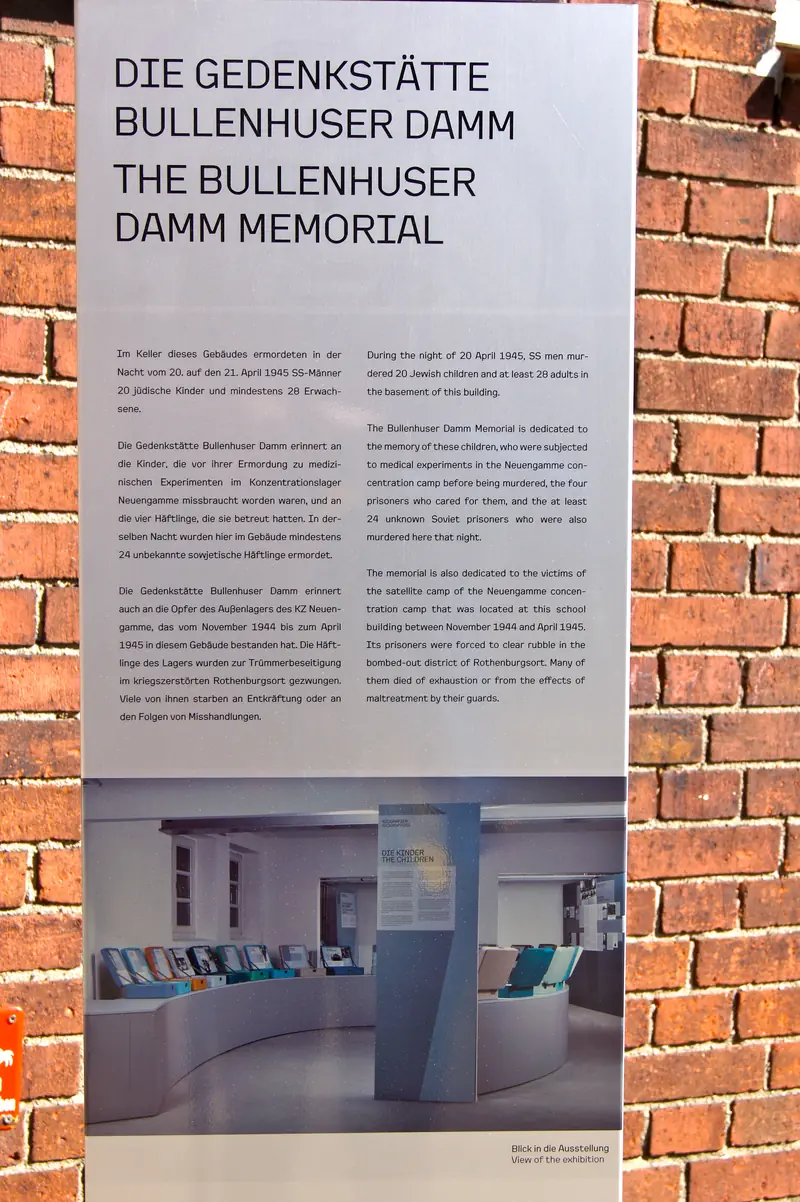
One of the most harrowing aspects of the camp’s legacy is the fate of the children who were forcibly brought to the Bullenhuser Damm area. In 1945, as the war drew to a close, a group of approximately 20 children, most of whom were Jewish, were taken from the camp and subjected to horrific medical experiments. The chilling conclusion to their lives came shortly after, as they were murdered to eliminate any witnesses to the atrocities. This dark chapter highlights the depths of cruelty that occurred during this period and underscores the importance of confronting this history.
The memorial now serves as a vital educational resource, promoting awareness of the Holocaust and fostering dialogue about the ongoing implications of hate and discrimination. It aims to instill a sense of responsibility in future generations, emphasizing the need for vigilance against intolerance and the importance of human rights.
The site’s establishment as a memorial reflects a broader movement within Germany and worldwide to ensure that the memories of victims are preserved, and lessons are learned from the past. It is an essential place for reflection, remembrance, and education, inviting visitors to engage with the history while fostering a commitment to a more just and humane future.
Architecture and Features
The Neuengamme Concentration Camp - Bullenhuser Damm Memorial encompasses several key architectural elements that contribute to its solemn atmosphere. The memorial site includes the remnants of the former camp structures, which serve as stark reminders of the past. Visitors can observe the preserved buildings that once housed prisoners, contributing to a palpable sense of history.
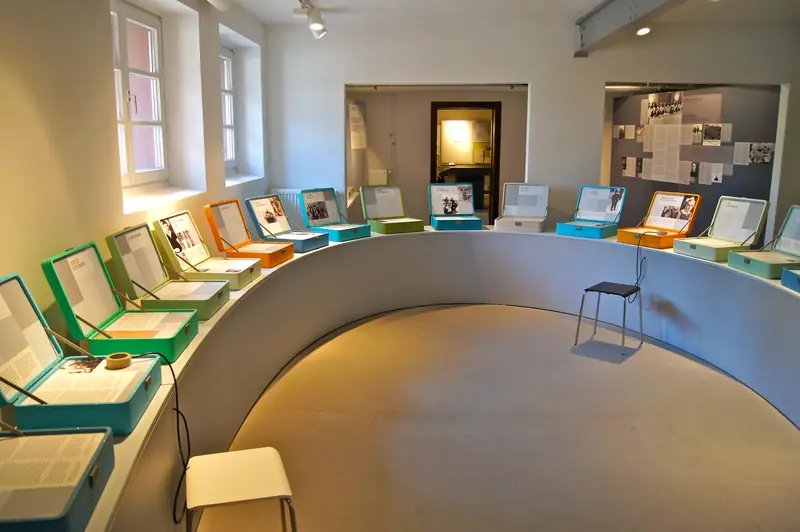
As part of the memorial, there are various installations and exhibits designed to educate and provoke thought. These exhibits often incorporate photographs, personal stories, and artifacts that bring the experiences of the victims to life. The layout encourages visitors to wander thoughtfully, reflecting on the narratives presented.
One notable feature of the memorial is its emphasis on open spaces, which provide areas for contemplation. The design of the site aims to foster a connection between the past and the present, inviting visitors to engage with the stories of those who suffered. The simplicity of the memorial’s architecture emphasizes the gravity of its purpose, ensuring that the focus remains on remembrance and education.
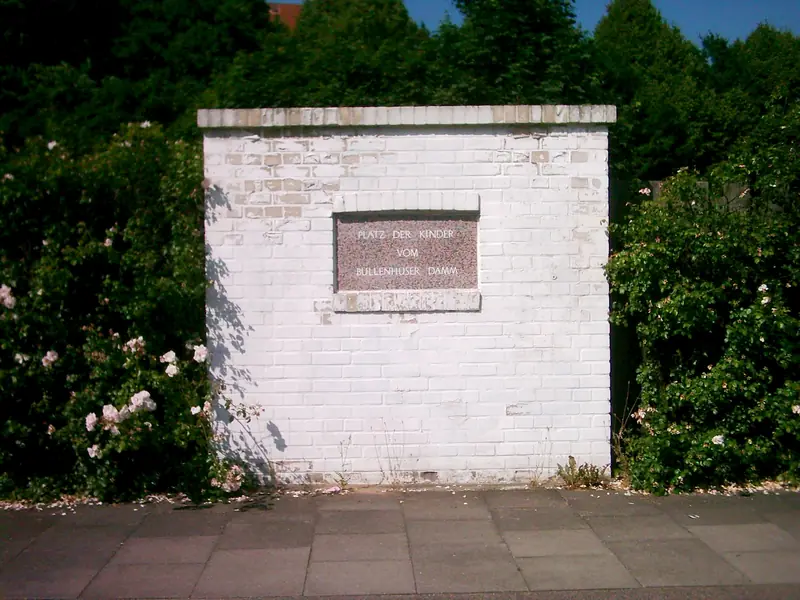
The Bullenhuser Damm area is also marked by a memorial stone, which commemorates the children who lost their lives due to the horrific experiments conducted at the camp. This stone serves as a poignant focal point for visitors, reminding them of the individual lives behind the statistics and providing a space for reflection and mourning.
Overall, the architecture and features of the Neuengamme Concentration Camp - Bullenhuser Damm Memorial are designed to evoke a deep emotional response and foster an understanding of the historical significance of the site. It is a place where the past is not forgotten but rather serves as a catalyst for conversation about humanity and ethics.
Visiting Information
Visiting the Neuengamme Concentration Camp - Bullenhuser Damm Memorial is an impactful experience that requires careful consideration of travel logistics. The memorial is located in Hamburg, easily accessible via public transportation. Visitors can utilize local bus and train services to reach the site, with various routes available depending on starting points within the city.
Upon arrival, guests can expect a solemn environment conducive to reflection. It is advisable to allocate sufficient time to explore the exhibits and grounds fully. While the specific duration of a visit may vary, spending at least a couple of hours is recommended to engage deeply with the materials presented.
For the most current information regarding hours of operation and any potential admission fees, it is best to check the official website. This will ensure that visitors have the latest updates on accessibility and any special events that may be occurring.
The memorial is open year-round, and while every season offers its unique atmosphere, spring and autumn are particularly pleasant times to visit, characterized by mild weather. However, as this is a site of remembrance, visitors are encouraged to approach their visit with the appropriate gravity and respect, regardless of the time of year.
When planning a visit, consider that the memorial can draw larger crowds, especially on significant dates related to World War II and the Holocaust. Therefore, visiting during weekdays or less busy hours may provide a more intimate experience.
Nearby Attractions
The area surrounding the Neuengamme Concentration Camp - Bullenhuser Damm Memorial offers a range of attractions that provide further insights into the history and culture of Hamburg. Here are a few noteworthy places to consider:
Hamburg Museum: A short journey away, this museum covers the extensive history of Hamburg, including its development as a major port city and its cultural evolution over the centuries.
St. Nicholas’ Church: Located in the city center, this historic church features a striking tower that serves as a memorial to the victims of the Great Fire of 1842 and World War II. The church offers an opportunity to reflect on the city’s resilience.
Kunsthalle Hamburg: One of Germany’s most important art museums, the Kunsthalle boasts a rich collection ranging from the Middle Ages to contemporary art, making it a significant cultural stop.
Elbphilharmonie: This iconic concert hall is not only an architectural marvel but also hosts a variety of performances and events, making it a vibrant cultural venue in Hamburg.
Planten un Blomen Park: A beautiful urban park nearby, it features lush gardens, ponds, and walking paths, providing a peaceful contrast to the more somber nature of the memorial.
These attractions allow visitors to enrich their understanding of Hamburg’s multifaceted history and culture while providing opportunities for relaxation and exploration.
Insider Tips
To make the most of your visit to the Neuengamme Concentration Camp - Bullenhuser Damm Memorial, consider the following insider tips:
Photography: While photography may be allowed in certain areas, it is recommended to be respectful of the memorial’s somber atmosphere. Consider capturing images only if they do not detract from the reflective nature of the space.
Crowd Avoidance: To experience the memorial with fewer visitors, aim for early morning visits or weekdays. Special events or anniversaries may draw larger crowds, so plan accordingly if you prefer a quieter experience.
Engagement: Take your time engaging with the exhibits. Many stories are worth reading in detail, and the experience is designed to provoke thought and reflection.
Guided Tours: If available, consider joining a guided tour to gain deeper insights into the history and significance of the memorial. Check the official website for any tour schedules or options.
Practical Information
When planning your visit to the Neuengamme Concentration Camp - Bullenhuser Damm Memorial, it’s important to come prepared:
What to Bring: Comfortable walking shoes are recommended, as visitors may be on their feet for extended periods. Additionally, bringing water and a small snack can be beneficial, especially if you plan to spend several hours at the site.
Seasonal Considerations: The memorial is accessible year-round, but be mindful of the weather when planning your visit. In colder months, dress warmly, as you may spend time outdoors reflecting on the memorial’s grounds.
Respectful Attire: Given the nature of the site, wearing respectful attire is encouraged. Visitors are advised to dress modestly and avoid overly casual clothing.
Accessibility: Check the official website for information regarding accessibility options, as the memorial aims to accommodate all visitors.
By keeping these practical considerations in mind, you can ensure a meaningful and respectful visit to this significant memorial.
Frequently Asked Questions
How long should I spend visiting?
A visit typically requires at least two hours to fully engage with the exhibits and reflect on the memorial’s significance.
Is photography allowed?
Photography may be permitted in certain areas, but visitors are encouraged to respect the solemnity of the site and be mindful of their surroundings.
Are there guided tours?
Check the official website for information on guided tours, as they can provide deeper insights into the memorial’s history and significance.
What’s the best time to visit?
Visiting during weekdays or early in the morning can help avoid larger crowds, especially during significant dates related to World War II and the Holocaust.
Is it wheelchair accessible?
For specific accessibility details, it is recommended to check the official website, which provides updated information on accommodations for visitors with mobility challenges.
Can I buy tickets online?
Check the official website for information on ticket availability and purchasing options, as this may vary.
Are there restrooms and cafes?
Facilities such as restrooms may be available at the site. However, dining options may be limited, so consider bringing a snack or plan to visit nearby cafes after your visit.
What should I wear?
Visitors are encouraged to dress modestly and comfortably, keeping in mind the respectful nature of the memorial.
Photo Gallery