
Neue Nationalgalerie
Overview
The Neue Nationalgalerie, located in Berlin’s Bezirk Mitte, is a distinguished art museum that captivates visitors with its modernist architecture and outstanding collection of 20th-century art. This museum is an essential stop for both art lovers and casual tourists exploring the vibrant cultural landscape of Germany’s capital. Housing an array of works from celebrated artists, the Neue Nationalgalerie presents a unique opportunity to engage with pivotal movements in art history, from expressionism to surrealism.
The museum’s strategic location in the heart of Berlin places it within easy reach of other notable cultural institutions, enhancing its significance within the city’s artistic milieu. Visitors can anticipate an experience that merges artistic expression with architectural elegance, making it a profound destination for contemplation and inspiration.
History and Significance
Founded in the early 20th century, the Neue Nationalgalerie has played a critical role in the preservation and exhibition of modern art in Germany. It showcases an extensive collection that reflects significant developments in art from the early 1900s onward, including a variety of influential styles and movements. The museum serves not only as a repository of artistic heritage but also as a platform for contemporary discourse in the visual arts.
The museum was designed by the renowned architect Ludwig Mies van der Rohe, and its creation marked a pivotal moment in architectural history. Mies van der Rohe’s vision was to create a space that prioritized the art itself, utilizing minimalist design principles to emphasize clarity and simplicity. This approach to architecture has influenced countless designers and continues to resonate in contemporary practices.
The Neue Nationalgalerie has undergone various transformations, adapting to the evolving landscape of art and culture. Its collection includes works by notable artists such as Pablo Picasso, Henri Matisse, and Paul Klee, making it a focal point for those interested in the development of modern artistic expression. The museum has not only contributed to the cultural fabric of Berlin but has also played a significant role in the international art community, hosting exhibitions that bring together diverse artistic voices.
Architecture and Features
The Neue Nationalgalerie stands out for its striking modernist architecture, characterized by its clean lines and open spaces. Mies van der Rohe’s design integrates glass and steel, creating a sense of transparency and fluidity between the interior and exterior. The museum features a vast, column-free exhibition space that allows for flexible display options, enhancing the viewer’s experience of the artworks.
One of the most distinctive elements of the museum is its large, flat roof, which shelters visitors while allowing natural light to flood the galleries. This design choice not only illuminates the artworks but also creates an inviting atmosphere for contemplation. The spacious atrium serves as a gathering point, connecting different areas of the museum and providing a seamless flow for visitors.
Inside, the exhibition spaces are thoughtfully curated, guiding visitors through a carefully structured narrative of modern art. The arrangement of artworks encourages dialogue between pieces, allowing viewers to draw connections and explore themes across different styles and eras. The museum’s commitment to showcasing both historical and contemporary works underscores its importance as a dynamic platform for artistic engagement.
Visiting Information
Visitors to the Neue Nationalgalerie can access the museum via various forms of public transportation, making it conveniently reachable from different parts of Berlin. The museum is centrally located, which makes it an ideal starting point for a day of cultural exploration in the city.
When planning a visit, it is essential to check the official website for current information regarding hours and ticket prices, as these can fluctuate based on exhibitions and special events. The museum typically encourages guests to allocate sufficient time to fully appreciate the collection, allowing for a leisurely exploration of the galleries.
The best times to visit are generally during weekdays when crowds are thinner, providing a more intimate experience with the artworks. Early mornings or late afternoons often see fewer visitors, allowing for quieter contemplation of the exhibits.
Nearby Attractions
The Neue Nationalgalerie is surrounded by a rich array of cultural attractions that enhance the overall experience of visiting the area. Nearby, you can explore:
Museum of the 20th Century - An institution dedicated to showcasing significant art from the 20th century, complementing the offerings at the Neue Nationalgalerie.
Potsdamer Platz - A vibrant square that features shopping, dining, and entertainment options, reflecting Berlin’s modern urban landscape.
Berlin Philharmonic - An architectural marvel and home to one of the world’s leading orchestras, offering a chance to experience exceptional musical performances.
Tiergarten - A large urban park that provides a serene escape from the bustling city, perfect for a leisurely stroll or a picnic.
Brandenburg Gate - An iconic symbol of Berlin that attracts visitors from around the globe, representing a key historical landmark in the city.
Insider Tips
For photography enthusiasts, the Neue Nationalgalerie offers captivating opportunities to capture both the artworks and the striking architecture. While photography of the artworks may be restricted, the museum’s architectural features provide ample inspiration. Arriving early or later in the day can help avoid peak crowds, allowing for more freedom to explore and capture your experience without interruption.
Consider combining your visit with a guided tour for a deeper understanding of the artworks and their historical context. This can enhance your appreciation of the collection and provide valuable insights into the museum’s significance.
Practical Information
When visiting the Neue Nationalgalerie, it’s advisable to bring along a few essentials, such as a water bottle and a light jacket, as the temperature inside can vary. Comfortable footwear is recommended, as you may spend several hours exploring the galleries.
Seasonal considerations can impact your visit, particularly during peak tourist seasons when crowds may be larger. Checking the official website for any seasonal events or special exhibitions can help you plan your visit more effectively.
Frequently Asked Questions
How long should I spend visiting?
Most visitors find that spending at least two to three hours allows for a thorough exploration of the exhibits.
Is photography allowed?
Photography of the artworks may be restricted, but capturing the architectural features is generally permitted. Always check for specific guidelines upon entry.
Are there guided tours?
Yes, guided tours are often available and can provide deeper insights into the collection and architecture.
What’s the best time to visit?
Weekdays, particularly early mornings or late afternoons, are ideal for avoiding larger crowds.
Is it wheelchair accessible?
The museum is designed to be accessible, with facilities for visitors with mobility challenges.
Can I buy tickets online?
Check the official website for options regarding online ticket purchases to streamline your visit.
Are there restrooms and cafes?
Facilities including restrooms are available on-site, and there may be cafes or dining options nearby.
What should I wear?
Dress comfortably for walking, and consider layering to accommodate varying indoor and outdoor temperatures.
Location
More in Berlin

144., 176. und 184. Gemeindeschule
📍 Berlin, Germany
The 144., 176. und 184. Gemeindeschule, an architectural ensemble located in the vibrant city of Berlin, stands as a noteworthy example of educational …

Academy of Arts (Hanseatenweg)
📍 Berlin, Germany
The Academy of Arts (Hanseatenweg) stands as an emblem of Berlin’s vibrant cultural landscape, located in the historic Hansaviertel district. Renowned …

Academy of Arts, Berlin
📍 Berlin, Germany
The Academy of Arts in Berlin is not just a museum; it is a prominent national institution dedicated to the advancement of the arts in Germany. …

Academy of the Konrad-Adenauer-Stiftung
📍 Berlin, Germany
The Academy of the Konrad-Adenauer-Stiftung, located in the heart of Berlin, is not just a foundation but a hub of intellectual discourse and …

ACUD
📍 Berlin, Germany
Located in the heart of Berlin’s Bezirk Mitte, ACUD serves as a vibrant cultural center and cinema, showcasing an array of films and events that …

Admiralspalast
📍 Berlin, Germany
Admiralspalast is a prominent theatre and event venue located in the heart of Berlin, Germany. This architectural gem serves as a cultural hub, …
More Art Museums

Aachen Cathedral Treasury
📍 North Rhine-Westphalia, Germany
Aachen Cathedral Treasury, located in the historic city of Aachen, Germany, is a remarkable art museum that houses an impressive collection of …

Abteiberg Museum
📍 North Rhine-Westphalia, Germany
In the heart of Mönchengladbach, Germany, the Abteiberg Museum stands out as a prominent destination for art enthusiasts and cultural explorers alike. …

Akademisches Kunstmuseum
📍 North Rhine-Westphalia, Germany
In the heart of Bonn, Germany, lies the Akademisches Kunstmuseum, an art museum that invites visitors to explore a diverse collection of artworks …

Albertinum
📍 Saxony, Germany
Albertinum is a prominent art museum located in the heart of Dresden, Germany, serving as a significant cultural institution in the region. …

Albrecht Dürer's House
📍 Bavaria, Germany
Albrecht Dürer’s House stands as a significant cultural landmark in Nuremberg, Germany, celebrating the life and work of one of the Renaissance’s most …
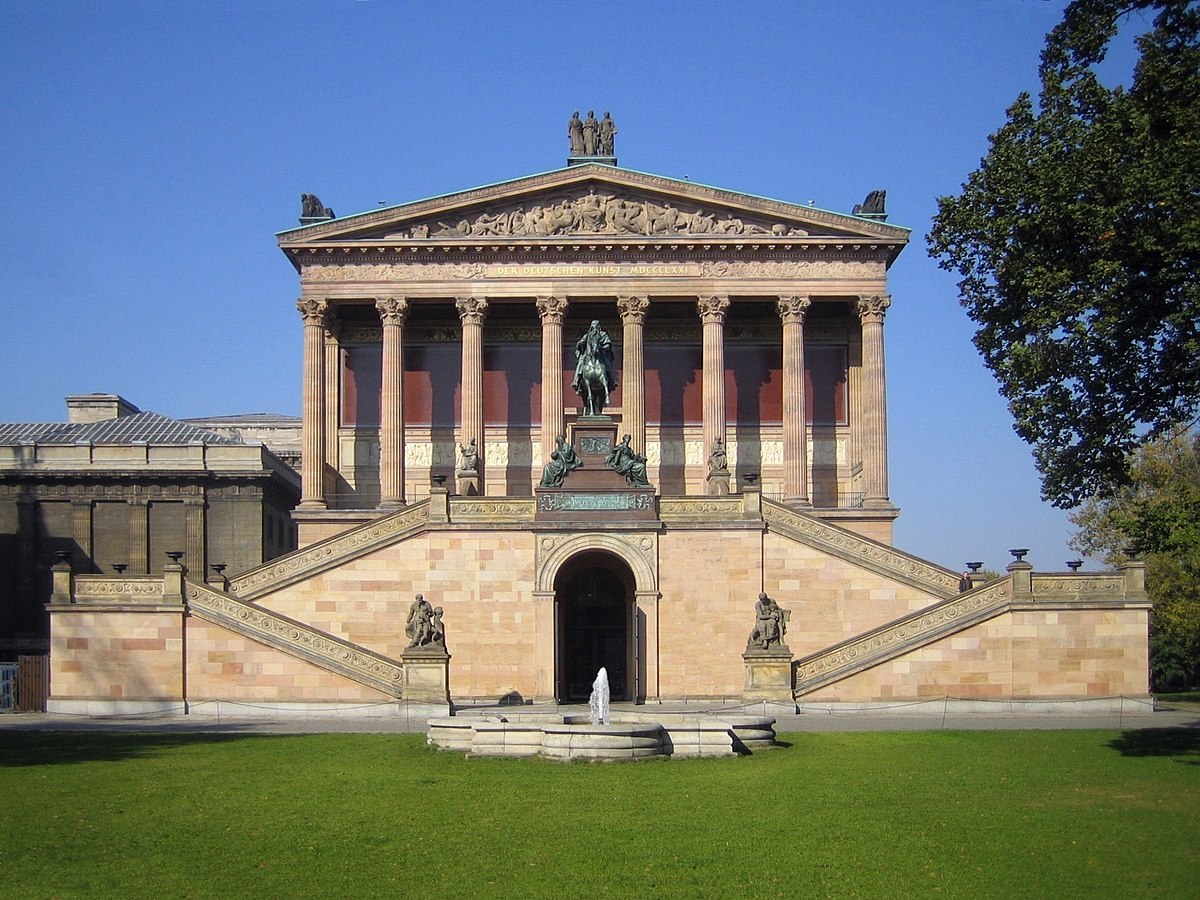
Alte Nationalgalerie
📍 Berlin, Germany
The Alte Nationalgalerie, an esteemed art museum located in Berlin’s Bezirk Mitte, is a cornerstone of cultural appreciation in Germany. This museum …