Overview
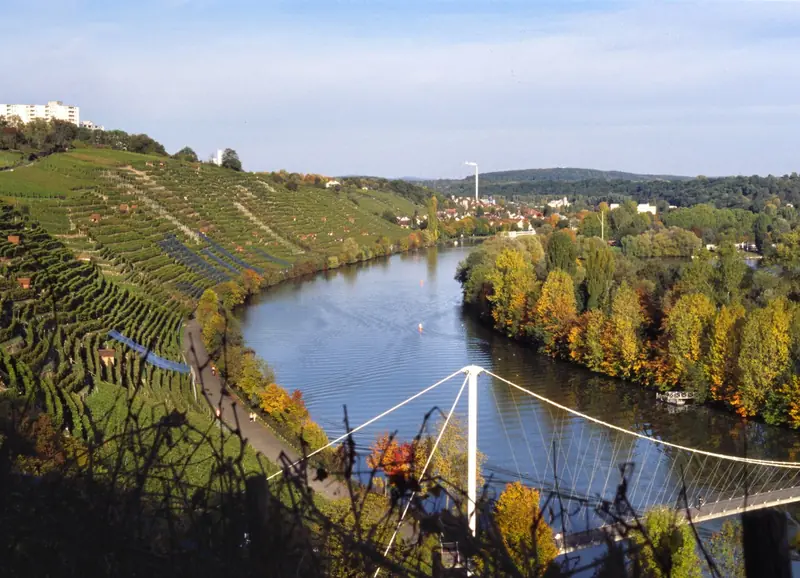
The Neckar River, a prominent right tributary of the Rhine, weaves its way through southwestern Germany, offering a glimpse into the region’s natural beauty and cultural heritage. Stretching through picturesque landscapes, the river plays a significant role as a lifeline for the communities it traverses, from its source in the Black Forest to its confluence with the Rhine near Mannheim. As a major natural site, the Neckar provides opportunities for outdoor activities, exploration, and a deeper understanding of the historical and cultural contexts of the towns and cities along its banks.
The river’s journey is marked by charming towns, lush vineyards, and historic landmarks, making it an attractive destination for nature lovers, historians, and those seeking a tranquil escape. The Neckar offers a promise of adventure, relaxation, and discovery, drawing visitors to experience its scenic beauty and the rich cultural tapestry of the region.
History and Significance
The Neckar has been an essential waterway for centuries, serving not only as a route for trade and transportation but also as a cultural artery for the communities that have developed along its banks. The river’s significance can be traced back to ancient times when it facilitated trade and movement, contributing to the economic foundation of the region. Various settlements flourished in its vicinity, benefiting from the fertile lands and abundant resources.
Throughout history, the Neckar has inspired numerous artists, writers, and musicians, becoming a symbol of inspiration and creativity. The river is intertwined with the stories of several towns, such as Heidelberg, which is renowned for its historic university and romantic castle overlooking the Neckar. The river has also been crucial in the development of local industries, particularly in the production of wine, as the vineyards that line its banks thrive in the favorable climate.
Moreover, the Neckar has played a pivotal role in the region’s transportation network. Historically, it allowed for the easy movement of goods and people, which contributed to the economic prosperity of the towns and cities along its route. The river continues to be a vital resource, supporting both environmental diversity and recreational activities.
Architecture and Features
The Neckar River is characterized by its winding path through a variety of landscapes, each offering distinct features that enhance its allure. The river is flanked by lush greenery, rolling hills, and vineyards, creating a picturesque setting that captivates visitors. The banks are dotted with charming towns, each with its own architectural heritage and history.
One of the most notable features along the Neckar is the Heidelberg Castle, perched dramatically on a hill overlooking the river. This Renaissance castle, with its striking red sandstone façade, is a prime example of the region’s rich architectural history. The castle’s ruins tell stories of medieval power and elegance, while providing stunning views of the Neckar and the surrounding countryside.
In addition to historic structures, the river is also home to various bridges, each showcasing different architectural styles. The Old Bridge in Heidelberg, for instance, is a picturesque stone bridge that connects the old town with the castle, providing a memorable vantage point over the river.
As a natural site, the Neckar is also home to diverse flora and fauna. The river’s ecosystem supports numerous species of fish and birds, making it an ideal location for nature enthusiasts and bird watchers. The scenic beauty of the river, combined with its historical significance, creates a unique environment that attracts visitors year-round.
Visiting Information
Exploring the Neckar River can be a rewarding experience, with various options for transportation and activities. Visitors can navigate the river by boat, enjoying guided tours that offer unique perspectives of the landscapes and towns along its banks. Alternatively, walking or cycling along the well-maintained paths that line the river allows for a more personal encounter with the natural beauty and cultural sites.
For those planning a visit, it’s important to check the official website for current information on hours and prices for any specific attractions or tours. Typically, a leisurely exploration of the river and its surroundings can take a few hours to a full day, depending on how many sites are included in your itinerary.
The best times to visit the Neckar are during the spring and early autumn months when the weather is pleasant, and the landscapes are vibrant with blooming flowers and colorful foliage. This period also coincides with various local festivals and events that celebrate the culture and traditions of the region.
Nearby Attractions
- Heidelberg Castle: An iconic landmark that offers stunning views and a glimpse into the region’s history.
- Heidelberg Old Town: A charming area filled with narrow streets, historic buildings, and lively cafes.
- Neckarsteinach: Known for its four castles, this picturesque town is perfect for a day trip.
- Ludwigshafen: A vibrant city located at the confluence of the Rhine and Neckar, offering cultural experiences and waterfront parks.
- Schwetzingen Palace and Gardens: A stunning example of baroque architecture and beautifully landscaped gardens, perfect for a leisurely stroll.
Insider Tips
For those wishing to capture the beauty of the Neckar River, early mornings or late afternoons offer the best light for photography, minimizing harsh shadows. The banks of the river are generally less crowded during these times, allowing for more serene moments.
To avoid larger crowds, consider visiting during weekdays rather than weekends, especially in peak tourist seasons. Exploring lesser-known towns along the Neckar can also provide a more intimate experience away from the bustling tourist spots.
Practical Information
When visiting the Neckar, it’s advisable to bring along essentials such as water, comfortable walking shoes, and possibly a picnic blanket to enjoy the scenic spots. Sun protection is also important, especially during the warmer months.
Seasonal considerations are vital; spring and autumn provide beautiful weather, while summer can attract more visitors. Winter offers a quieter experience, though some attractions may have limited hours.
Frequently Asked Questions
How long should I spend visiting?
A visit can last anywhere from a few hours to a full day, depending on your interests and the number of sites you wish to explore.
Is photography allowed?
Yes, photography is generally allowed along the Neckar River, but be respectful of private properties and individuals.
Are there guided tours?
Yes, there are various guided boat tours and walking tours available that provide insights into the history and culture of the region.
What’s the best time to visit?
The best times to visit are during the spring and early autumn when the weather is pleasant and the landscapes are vibrant.
Is it wheelchair accessible?
Many areas along the Neckar have accessible paths, but it’s best to check specific sites for their accessibility features.
Can I buy tickets online?
For certain attractions and tours, tickets may be available for purchase online. Check the official websites for details.
Are there restrooms and cafes?
Public restrooms and cafes can be found in the towns along the Neckar, particularly in popular tourist areas.
What should I wear?
Comfortable clothing and shoes are recommended, along with layers for varying weather conditions, especially in spring and autumn.
Exploring the Neckar River presents an opportunity to connect with nature while delving into the historical and cultural narratives that shape this remarkable region of Germany.



