
Naumburg Cathedral and the High Medieval Cultural Landscape of the Rivers Saale and Unstrut
Overview
Naumburg Cathedral and the High Medieval Cultural Landscape of the Rivers Saale and Unstrut is a remarkable cultural landscape located in the Saxony-Anhalt region of Germany. This site represents an extraordinary blend of architectural mastery and historical significance, encapsulating the essence of medieval European culture. The cathedral itself is an outstanding example of the transition from Romanesque to Gothic architecture, while the surrounding landscape reflects the rich cultural heritage that flourished along the rivers Saale and Unstrut.
The significance of this cultural landscape lies not only in its architectural wonders but also in its role as a center of medieval art and craftsmanship. It offers visitors a glimpse into the social and religious dynamics of the time, showcasing how the region served as a hub for cultural exchange and development. The combination of the cathedral and its surrounding landscape creates a compelling narrative that speaks to the interplay between human creativity and the natural world.
Visitors to Naumburg can expect to engage with a site that is both historically and aesthetically captivating. The combination of the cathedral’s intricate details and the expansive cultural landscape invites exploration and contemplation, making it a must-see for anyone interested in heritage and history.
History and Significance
The history of Naumburg Cathedral can be traced back to the early medieval period, although specific dates are not mentioned. It was established as a center of Christian worship and quickly grew in importance, reflecting the broader changes occurring in Europe during the medieval era. The cathedral not only served as a spiritual hub but also as a venue for artistic and cultural expression.
The High Medieval Cultural Landscape of the Rivers Saale and Unstrut emerged as a significant area for trade, agriculture, and religious activity. The fertile lands along these rivers allowed for prosperous settlements, which in turn fostered artistic and architectural advancements. The region became a melting pot of ideas, styles, and traditions, contributing to the development of the distinctive architectural features seen in Naumburg Cathedral.
One of the most notable aspects of Naumburg Cathedral is its collection of sculptures and artworks, which highlight the skill of medieval craftsmen. The figures adorning the cathedral, such as the famous “Naumburg Masters,” reflect a high level of artistry that was influential in the region. This connection between the cathedral and its surrounding cultural landscape underscores the interdependence of architecture, art, and community life during the medieval period.
Overall, Naumburg Cathedral and its cultural landscape are significant for understanding the historical evolution of the region. They represent not only the architectural achievements of the time but also the broader social, economic, and cultural contexts that shaped medieval life.
Architecture and Features
Naumburg Cathedral is a remarkable example of the transition from Romanesque to Gothic architectural styles, showcasing a blend of both traditions. The building is characterized by its intricate façade, tall spires, and ornate sculptures that adorn its exterior. The detailed craftsmanship is evident in the portal carvings and the elaborate decorations that depict biblical scenes and figures, offering insights into the artistic conventions of the medieval era.
Inside, the cathedral features a spacious nave and well-defined transepts, allowing for a grand atmosphere that reflects its importance as a religious site. The stained glass windows, although some may have undergone restoration, still serve to illuminate the interior with vibrant colors, casting artistic patterns on the stone floors. The acoustic qualities of the cathedral enhance the musical experience during services and concerts, making it a favored location for choral performances.
Another significant feature is the choir stalls, which display detailed wood carvings that narrate biblical stories and the lives of saints. These elements, along with the altar and baptismal font, underscore the cathedral’s role as a center for worship and community gatherings.
The surrounding landscape, integral to the cultural site, includes historical pathways and agricultural areas that have been shaped by centuries of use. This landscape complements the cathedral’s architectural grandeur, providing a context that enhances the visitor’s understanding of the site’s historical significance.
Visiting Information
Visitors to Naumburg Cathedral and the High Medieval Cultural Landscape can access the site easily due to its location in Saxony-Anhalt. Public transportation options, including trains and buses, connect Naumburg to major cities in the region, making it accessible for day trips or longer visits.
Check the official website for current information regarding hours and prices, as these can vary throughout the year and may change based on seasonal events or maintenance. When planning a visit, it is advisable to allocate at least two to three hours to fully appreciate the cathedral and the surrounding cultural landscape. This allows time for exploration, photography, and contemplation of the historical significance of the site.
The best times to visit are during the spring and early fall when the weather is generally pleasant, and the landscape is particularly inviting. Special events, such as concerts or festivals, may also provide unique opportunities to experience the site in a vibrant context.
Nearby Attractions
Naumburg Town Center: Explore the historic town of Naumburg, known for its charming streets, local shops, and cafes. The town offers a glimpse of medieval architecture beyond the cathedral itself.
Kunstmuseum Moritzburg: Located in nearby Halle, this art museum features a diverse collection of modern and contemporary art, providing a contrasting experience to the historical focus of Naumburg Cathedral.
Wethmar Park: A serene green space that offers visitors a place to relax and enjoy the natural beauty of the area, ideal for picnics or leisurely strolls.
Rotkäppchen Sektkellerei: Visit this nearby sparkling wine cellar to learn about the production of Germany’s famous sparkling wine and enjoy tastings in a picturesque setting.
Burg Anhalt: A short drive from Naumburg, this castle offers panoramic views of the surrounding landscape and a deep dive into the region’s feudal history.
Insider Tips
For photography enthusiasts, the best time to capture the cathedral’s exterior is during the early morning or late afternoon when natural light enhances the intricate details of the stonework. Inside, be mindful of the lighting conditions; using a tripod can help in low-light situations, particularly near the stained glass windows.
To avoid crowds, consider visiting during weekdays or off-peak hours. Early mornings typically see fewer visitors, allowing for a more intimate experience with the site.
Practical Information
When visiting Naumburg Cathedral and its cultural landscape, it is advisable to wear comfortable shoes, as there may be uneven surfaces and steps within the cathedral and surrounding areas. A light jacket or sweater can be helpful, particularly during cooler months.
Seasonal considerations are essential; spring and summer months are ideal for enjoying the landscape, while fall offers beautiful foliage. Always check the official website for any seasonal events or changes in visitor guidelines before your trip.
Frequently Asked Questions
How long should I spend visiting?
It is recommended to spend at least two to three hours at Naumburg Cathedral to fully appreciate its architecture and the surrounding cultural landscape.
Is photography allowed?
Yes, photography is generally allowed in and around the cathedral, but be respectful of services and other visitors.
Are there guided tours?
Guided tours may be available. Check the official website for current offerings and scheduling.
What’s the best time to visit?
Spring and early fall are ideal for visiting, as the weather is typically pleasant and the landscape is particularly inviting.
Is it wheelchair accessible?
Accessibility information may vary; check the official website for specific details regarding wheelchair access.
Can I buy tickets online?
Ticket purchasing options may be available online. It is advisable to check the official website for current information.
Are there restrooms and cafes?
Facilities such as restrooms may be available on-site. Check the official website for information on nearby cafes and dining options.
What should I wear?
Comfortable walking shoes are recommended, and be prepared for changing weather conditions by dressing in layers.
More in Saxony-Anhalt

Ägidienkurie (Naumburg)
📍 Saxony-Anhalt, Germany
The Ägidienkurie, a quaint chapel located in the heart of Naumburg, Germany, offers visitors a glimpse into the rich ecclesiastical heritage of the …
Al-Kholafa´a Moschee
📍 Saxony-Anhalt, Germany
The Al-Kholafa´a Moschee, located in Weimar, Germany, is a significant religious site that embodies the cultural diversity of this historic city. As a …

Alte Oper
📍 Saxony-Anhalt, Germany
The Alte Oper, a distinguished theatre building in Erfurt, Germany, serves as a vibrant hub for cultural events and artistic performances. This …

Altes Schloss Dornburg
📍 Saxony-Anhalt, Germany
Altes Schloss Dornburg, a magnificent palace located in the charming region of Dornburg-Camburg, Germany, is a site that draws visitors with its …

Anatomieturm Jena
📍 Saxony-Anhalt, Germany
The Anatomieturm Jena, a historic tower located in the city of Jena, Germany, is an intriguing remnant of the region’s architectural heritage. This …

Andreaskirche (Erfurt)
📍 Saxony-Anhalt, Germany
The Andreaskirche, an emblematic church building located in the heart of Erfurt, Germany, stands as a significant architectural and cultural landmark. …
More Cultural Landscapes

Altes Land
📍 Lower Saxony, Germany
Altes Land, located in northern Germany, is a remarkable cultural landscape that reflects the unique agricultural heritage and traditional practices …

Altmark
📍 Brandenburg, Germany
The Altmark region, located in the northwestern part of Saxony-Anhalt, Germany, offers a unique glimpse into a cultural landscape shaped by centuries …
Annaberg-Frohnau Mining Landscape
📍 Bavaria, Germany
The Annaberg-Frohnau Mining Landscape, located in Germany, represents a significant chapter in the story of European industrial heritage. This …
Buchholz Mining Landscape
📍 Bavaria, Germany
The Buchholz Mining Landscape, located in Germany, is a remarkable cultural landscape that offers a glimpse into the historical significance of mining …
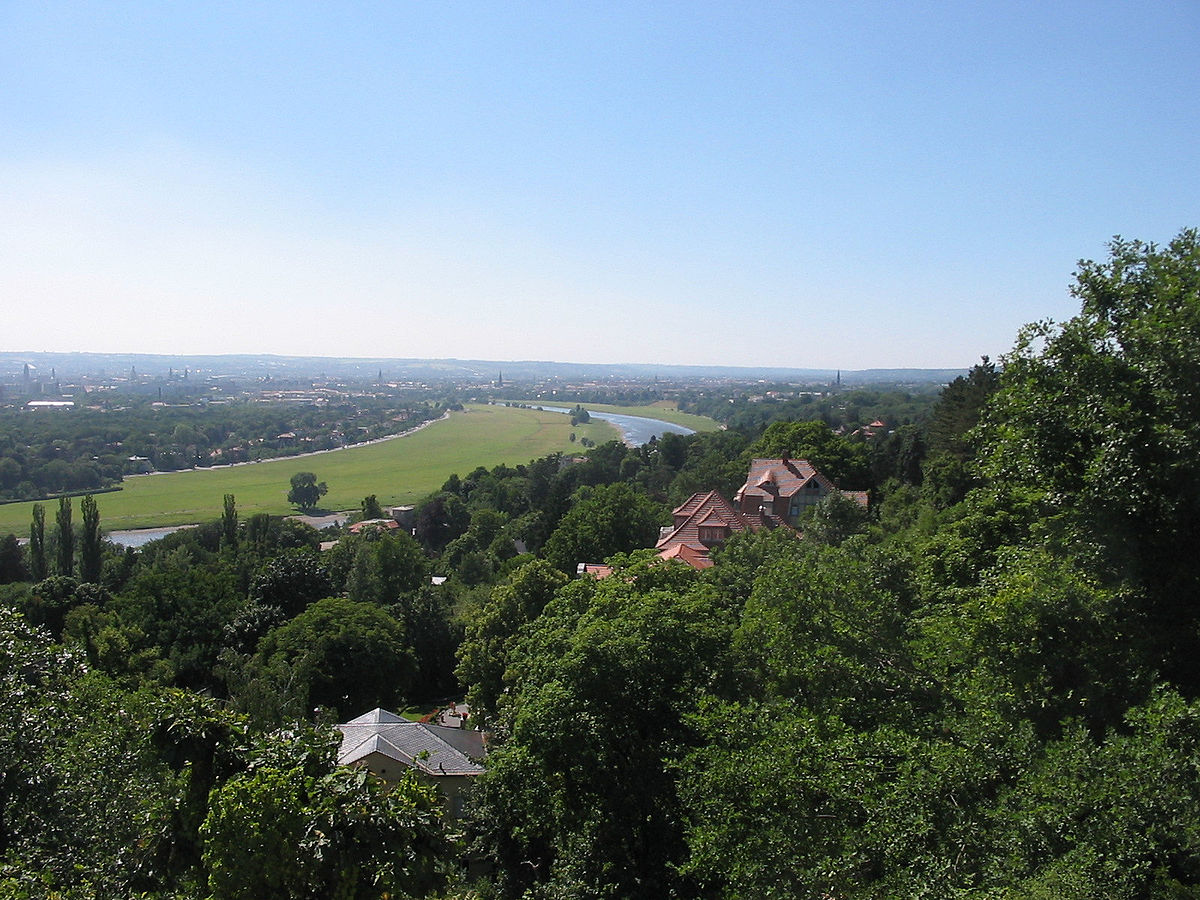
Dresden Elbe Valley
📍 Saxony, Germany
The Dresden Elbe Valley, a UNESCO World Heritage Site, is a cultural landscape that reflects the rich historical and artistic heritage of Saxony, …
Ehrenfriedersdorf Mining Landscape
📍 Saxony, Germany
The Ehrenfriedersdorf Mining Landscape, a significant cultural landscape in Germany, invites visitors to explore a rich history of mining that has …