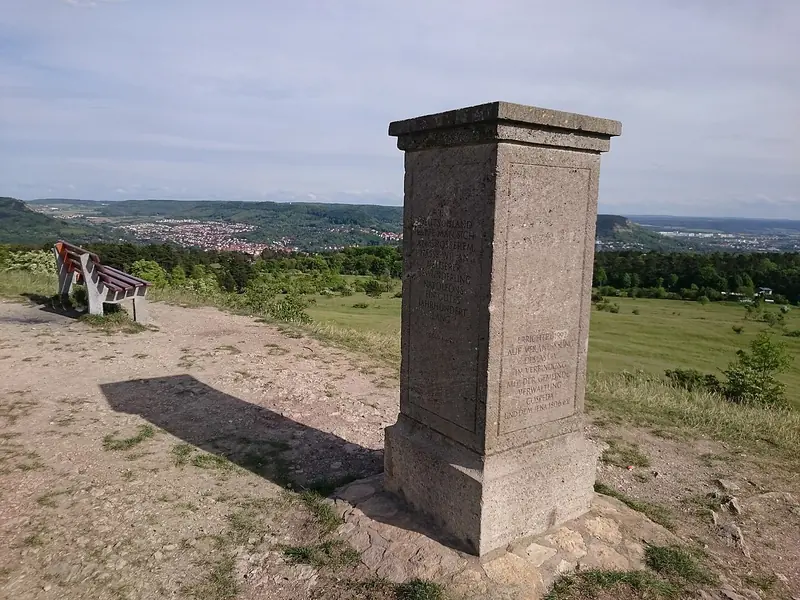
Overview
In the heart of Jena, Germany, stands Napoleonstein, an evocative monument that serves as a poignant reminder of the historical events that shaped this region. This memorial honors the presence of the famed French leader Napoleon Bonaparte, who, during his campaigns in the early 19th century, had a significant impact on the political landscape of Europe. The monument not only commemorates the military history associated with Napoleon but also highlights the rich cultural heritage of Jena, a city known for its academic institutions and progressive ideals.
Strategically located in the picturesque Thuringian region, Napoleonstein draws visitors who are eager to explore its historical significance and to appreciate the surrounding natural beauty. The monument’s commanding position offers insight into the layered history of the area, making it a compelling stop for history enthusiasts and casual travelers alike. Visitors can expect a blend of historical reflection and scenic views, underscoring the dual importance of remembrance and appreciation of the past.
History and Significance
Napoleonstein stands as a significant marker of Jena’s historical narrative, reflecting the broader socio-political upheavals of the early 19th century. The monument is a product of a time when Napoleon’s influence extended across Europe, leading to both admiration and resistance. In Jena, the battles fought during the Napoleonic Wars, particularly the Battle of Jena-Auerstedt in 1806, had profound implications for the region. This battle marked a critical turning point in Prussian history and showcased the military prowess of Napoleon.
The structure itself serves not only as a memorial to the military campaigns associated with Napoleon but also as a symbol of the intellectual spirit that characterized Jena during that period. The city was home to prominent philosophers and thinkers, many of whom grappled with the ideas of liberty, nationalism, and governance, all of which were influenced, in part, by the events surrounding Napoleon’s rule. Thus, Napoleonstein is not merely a tribute to a military figure; it encapsulates the philosophical and cultural dialogues that emerged from the tumultuous era.
Over the years, Napoleonstein has become a focal point for both local residents and tourists, serving as a place for reflection and remembrance. Its significance has evolved, reflecting changing perceptions of Napoleon’s legacy in contemporary society. As visitors engage with the monument, they are invited to ponder the complexities of history and the enduring impact of leadership on collective memory.
Architecture and Features
Napoleonstein is characterized by its robust and imposing architectural style, designed to capture the spirit of the era it commemorates. The monument features a prominent structure that is easily recognizable, standing tall against the backdrop of Jena’s beautiful landscape. Crafted from durable materials, the monument’s design reflects the significance of its purpose, meant to withstand the test of time while honoring the past.
The monument’s design includes intricate details that pay homage to its historical context. While specific architectural elements may not be documented, the overall aesthetic is indicative of the neoclassical style that was prevalent during the time of Napoleon. This style often incorporates grand columns and symbolic motifs, inviting viewers to reflect on the themes of power and legacy.
Surrounding the monument are pathways that encourage visitors to stroll leisurely, taking in both the memorial and the natural beauty of the area. The setting provides a tranquil atmosphere for contemplation, allowing visitors to connect with the historical weight of the site while enjoying views of the surrounding landscape.
Visiting Information
Visiting Napoleonstein offers a chance to engage with history in an accessible and meaningful way. The monument is located in Jena, easily reachable by various modes of transport, including public transportation and personal vehicles. Visitors can expect a well-maintained site that welcomes individuals and groups alike.
Before planning your visit, it’s advisable to check the official website for current information regarding hours and any potential admission fees. The site is generally open to the public, allowing visitors to explore the monument at their convenience. A visit typically lasts about an hour, providing ample time to appreciate the monument and its significance.
For a more enriching experience, consider visiting during the shoulder seasons of spring or fall, when the weather is mild and the crowds are more manageable. This allows for a more intimate engagement with the monument and its surroundings.
Nearby Attractions
While visiting Napoleonstein, there are several nearby attractions that complement the historical experience:
Jena Planetarium - Just a short distance away, this planetarium offers engaging shows and exhibits related to astronomy, making it a great stop for families and science enthusiasts.
Botanical Garden of the Friedrich Schiller University - A beautiful space showcasing diverse plant species, this garden provides a serene environment for leisurely walks and exploration.
Schiller’s Garden House - A historic site where the famous poet Friedrich Schiller lived and worked, offering insight into his life and contributions to German literature.
Jenna’s City Center - A vibrant area filled with shops, cafes, and restaurants, perfect for a leisurely stroll and a taste of local cuisine.
Burgau Park - A picturesque park ideal for relaxation, picnics, or enjoying outdoor activities, providing a pleasant escape from the urban environment.
Insider Tips
To make the most of your visit to Napoleonstein, consider the following insider tips:
Photography: The monument presents excellent opportunities for photography, particularly during golden hours—early morning or late afternoon—when the light enhances the monument’s features. Be mindful of other visitors and try to capture images without disrupting their experience.
Crowd Avoidance: To avoid larger crowds, particularly during weekends or holidays, consider visiting on weekdays. Early mornings or late afternoons can also provide a quieter experience.
Practical Information
When planning your visit to Napoleonstein, it’s wise to prepare for various conditions. Here are some practical considerations:
What to Bring: Comfortable walking shoes are recommended, as you may want to explore the surrounding area. A camera is also advisable for capturing the monument and its setting.
Seasonal Considerations: The region experiences a temperate climate, so check the weather forecast ahead of your visit. Spring and fall are often the most pleasant times to visit, while summer can attract larger crowds.
Frequently Asked Questions
How long should I spend visiting?
A visit to Napoleonstein typically takes about an hour, allowing time for exploration and reflection.
Is photography allowed?
Yes, photography is permitted and encouraged to capture the monument’s historical significance and beauty.
Are there guided tours?
Check the official website for details on any available guided tours or educational programs that may enhance your visit.
What’s the best time to visit?
Visiting during the weekdays, especially in the morning or late afternoon, can provide a quieter experience, particularly in spring or fall.
Is it wheelchair accessible?
Accessibility information can be confirmed on the official website, ensuring that all visitors can enjoy the monument.
Can I buy tickets online?
Check the official website for information regarding ticket purchases, as options may vary.
Are there restrooms and cafes?
Facilities may be available nearby; however, it’s best to check the official website for specific amenities.
What should I wear?
Dress comfortably and appropriately for the weather, as you may spend time outdoors exploring the area surrounding the monument.