Overview
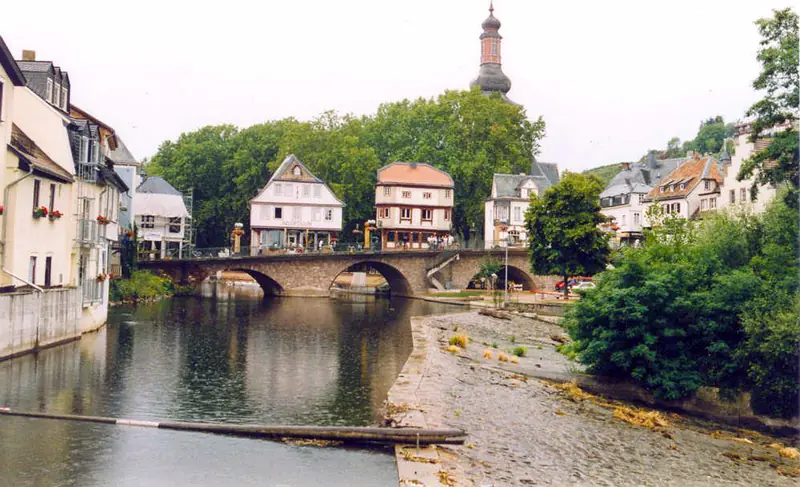
The Nahe River, a significant tributary of the Rhine, meanders through the picturesque landscapes of Germany, carving its path through lush valleys and quaint villages. Originating from the Hunsrück Mountains, it flows gracefully towards the Rhine near Bingen am Rhein. This river not only serves as a vital waterway but also plays an essential role in the agricultural and viticultural practices of the region, contributing to the world-renowned German wine culture. With its serene beauty and ecological importance, the Nahe invites travelers to explore its banks, engage with the vibrant local communities, and appreciate the natural splendor that defines this part of Germany.
The Nahe River spans approximately 125 kilometers, showcasing a variety of natural habitats and cultural landmarks along its course. Visitors can expect to encounter charming towns, vineyards, and breathtaking natural scenery that highlight the river’s importance as both a natural site and a cultural lifeline for the region. Whether you’re an outdoor enthusiast, a history buff, or simply seeking tranquility, the Nahe River offers a diverse experience that resonates with its rich heritage and ecological significance.
History and Significance
The Nahe River has played a crucial role in the development of the surrounding region throughout history. Its waters have supported agriculture and viticulture for centuries, with the fertile soil along its banks fostering the growth of grapes, particularly in the Nahe wine region. This area is celebrated for its distinct wine varieties, which have garnered international acclaim.
The river’s historical significance extends beyond agriculture. It has served as a vital transportation route, facilitating trade and cultural exchange. The towns along the Nahe have developed unique identities shaped by their relationship with the river. Settlements such as Bad Kreuznach and Kirn highlight the longstanding human connection to the waterway, showcasing architecture and cultural practices that reflect the river’s influence.
In addition to its economic contributions, the Nahe has inspired local folklore and traditions, further embedding it into the cultural fabric of the region. Festivals celebrating the river and its bounty are common, bringing communities together to honor their shared heritage. The Nahe, thus, is not only a geographical feature but also a symbol of the enduring relationship between nature and humanity, illustrating how a river can shape both the landscape and the lives of those who inhabit its banks.
Architecture and Features
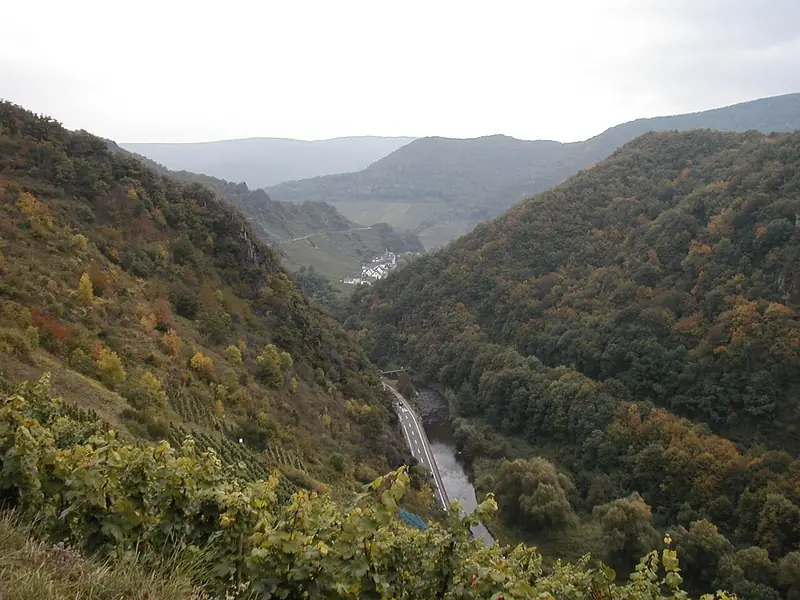
The Nahe River is defined by its natural beauty and the architectural elements that dot its banks. As it flows through a variety of landscapes, from rolling hills to steep vineyards, the river creates a stunning backdrop for numerous towns and villages. The region is characterized by half-timbered houses and historical buildings that reflect the diverse architectural styles influenced by different periods in German history.
One notable feature along the Nahe is the old town of Bad Kreuznach, where visitors can admire the unique wooden bridge known as the “Alte Nahebrücke.” This bridge, dating back several centuries, provides a picturesque view of the river and the surrounding landscape. Additionally, the ruins of castles, such as the Burgruine Altenbaumburg, offer glimpses into the medieval past and the strategic importance of the river for defense and trade.
The river itself is rich in biodiversity, with various natural habitats that support wildlife. Its banks are lined with lush vegetation, including willows and reeds, which provide shelter for numerous bird species. The tranquil waters of the Nahe invite leisurely activities such as kayaking and fishing, allowing visitors to engage directly with this natural site.
Visiting Information
Traveling to the Nahe River is an accessible endeavor, with various transport options available. The region is well-connected by road and public transport, making it easy for visitors to reach key towns along the river. The nearest major cities include Mainz and Koblenz, both of which serve as excellent starting points for exploring the Nahe.
When planning your visit, check the official website for current information regarding local attractions and activities. While exploring the river, visitors can expect a variety of experiences, from scenic walks along the riverbanks to sampling local wines in the vineyards that flourish in the area. The Nahe region is best enjoyed at a leisurely pace, allowing time to soak in the natural beauty and cultural richness.
While there is no specific duration required to explore the Nahe, a day or two is recommended to fully appreciate the area’s offerings. The best times to visit are during the spring and fall, when the weather is generally mild and the landscapes are particularly vibrant. The summer months also attract visitors but can be busier, especially during wine festivals.
Nearby Attractions
Bad Kreuznach: This spa town is known for its historic old town, the famous bridge, and therapeutic springs. Walking through its streets provides a delightful glimpse into local life and architecture.
Bingen am Rhein: Located at the confluence of the Nahe and Rhine rivers, Bingen features historical sites, including the Klopp Castle and the cultural center of Rupertsberg, dedicated to the visionary Hildegard von Bingen.
Kirn: This charming town offers a picturesque setting along the Nahe River, with its medieval castle and scenic views. It’s an ideal spot for hiking and exploring local traditions.
Nahe Valley Wine Region: Known for its high-quality wines, the Nahe Valley is dotted with vineyards where visitors can enjoy tastings and tours, learning about the winemaking process from local vintners.
Hunsrück Mountains: Just a short distance away, these mountains offer hiking trails and natural beauty, perfect for those looking to explore the outdoors beyond the river.
Insider Tips
For photography enthusiasts, the Nahe River presents numerous opportunities to capture stunning landscapes and vibrant local life. Early morning or late afternoon light enhances the beauty of the river and surrounding vineyards, creating ideal conditions for photography. Additionally, consider visiting during weekdays to avoid larger weekend crowds, allowing for a more peaceful experience along the riverbanks.
Engaging with locals can enrich your visit; don’t hesitate to ask for recommendations on lesser-known spots or traditional dining options that might not be on the typical tourist path.
Practical Information
When visiting the Nahe River, it is advisable to bring comfortable walking shoes for exploring the towns and trails along the river. Depending on the season, layering clothing can help you adjust to varying temperatures throughout the day.
In terms of seasonal considerations, spring and early autumn are particularly pleasant for outdoor activities, while summer can attract larger crowds due to wine festivals and local events. Always check the local weather forecast prior to your visit to ensure you are prepared for any changes.
Frequently Asked Questions
How long should I spend visiting?
A day or two is recommended to fully enjoy the Nahe River and its surrounding attractions.
Is photography allowed?
Yes, photography is allowed in public areas, but always be respectful of private properties and individuals.
Are there guided tours?
Many local operators offer guided tours of the Nahe River and its surroundings, especially wine tours.
What’s the best time to visit?
Spring and fall are ideal for pleasant weather and vibrant landscapes, while summer offers lively festivals.
Is it wheelchair accessible?
Accessibility varies by location; check specific sites for detailed information regarding wheelchair access.
Can I buy tickets online?
Check the official website for information regarding ticket purchases for specific attractions and events.
Are there restrooms and cafes?
Most towns along the Nahe have public restrooms and cafes; however, it is advisable to plan ahead in rural areas.
What should I wear?
Dress comfortably and consider layering clothing, especially for cooler evenings or varying weather conditions.