
Nagelfabrik Röcker
Overview
The Nagelfabrik Röcker, a historical nail factory in Löchgau, Germany, offers a fascinating glimpse into the industrial heritage of the region. Established in 1876 and operational until 1974, this factory played a pivotal role in the local economy and craftsmanship, producing nails that were essential for various construction needs. Situated in the picturesque town of Löchgau, the factory is a notable landmark that reflects the industrial evolution of the area and the broader narrative of Germany’s manufacturing history.
Visitors to the Nagelfabrik Röcker can expect to explore a site that encapsulates the essence of 19th-century industrialization. The factory’s architecture, machinery, and production methods provide insight into the labor and innovation that characterized the era. As a heritage site, it serves not only as a reminder of the past but also as a point of interest for those keen on understanding the intricacies of industrial craftsmanship.
Whether you are an enthusiast of industrial history or simply looking for an engaging experience, the Nagelfabrik Röcker promises an informative visit. The site offers a unique perspective on how traditional manufacturing techniques have shaped the region, making it a worthwhile destination for heritage travelers.
History and Significance
The Nagelfabrik Röcker was established in 1876 and operated for nearly a century, closing its doors in 1974. During its years of operation, the factory became synonymous with nail production in the Löchgau area, contributing significantly to the local economy and providing employment opportunities for many residents. The establishment played a crucial role in the industrial landscape of the region, marking the transition from artisanal craftsmanship to mechanized production.
The factory’s importance extends beyond its economic contributions; it is a symbol of the industrial shift that took place in Germany during the late 19th and early 20th centuries. As urbanization increased and construction demands grew, factories like Röcker became essential to meet the needs of a rapidly changing society. The production techniques employed at the Nagelfabrik Röcker reflect the technological advancements of the time, showcasing the evolution of machinery and manufacturing processes.
Moreover, the factory serves as a cultural landmark, representing the heritage and identity of Löchgau. It stands as a reminder of the skills and labor that went into producing everyday items, such as nails, that many might overlook today. The preservation of the factory allows future generations to appreciate this aspect of their local history and understand the significance of industrial craftsmanship in shaping the community.
Architecture and Features
The Nagelfabrik Röcker features a distinctive architectural style typical of 19th-century industrial buildings in Germany. The factory’s structure is characterized by its robust design, featuring large windows that were crucial for natural lighting during the working hours. This design choice reflects the practical needs of a manufacturing facility while also embodying the aesthetic trends of the time.
Inside, visitors can find remnants of the original machinery used in nail production. The equipment, which has been largely preserved, offers a striking insight into the manufacturing processes of the era. The factory layout was designed to facilitate efficient workflow, showcasing how operations were organized to maximize productivity.
One of the notable features of the factory is its production line, which showcases the transition from manual labor to mechanized processes. This evolution in production methods is a significant aspect of the factory’s history, highlighting the technological advancements that occurred during its operational years.
The overall ambiance of the Nagelfabrik Röcker combines industrial heritage with historical significance, making it a compelling destination for visitors interested in architecture and manufacturing history.
Visiting Information
When planning a visit to the Nagelfabrik Röcker, it is advisable to check the official website for current information regarding opening hours and admission prices. The factory is accessible via various modes of transportation, including public transit and personal vehicles, making it convenient for travelers.
Visitors can expect an engaging experience as they explore the factory’s various features. A typical visit may take around one to two hours, allowing ample time to appreciate the exhibits and the historical context of the site. The best times to visit are often during weekdays when crowds tend to be smaller, allowing for a more intimate exploration of the factory’s offerings.
As you prepare for your visit, consider wearing comfortable shoes and clothing suitable for walking through an industrial site. The factory’s layout may include uneven surfaces, so be prepared for a bit of maneuvering.
Nearby Attractions
While visiting the Nagelfabrik Röcker, consider exploring some nearby attractions that complement your journey:
St. John’s Church (Johanneskirche): A local church known for its historical architecture and peaceful surroundings, offering a glimpse into the community’s spiritual heritage.
Besigheim Town Center: Just a short distance away, this charming town features beautiful medieval buildings, shops, and cafés, perfect for a leisurely stroll.
Parks and Green Spaces: The surrounding area offers several parks where visitors can relax and enjoy the natural scenery, providing a nice contrast to the industrial history of the factory.
Local Wine Estates: The Löchgau region is known for its wineries, and a visit to one of the local estates can provide an enjoyable experience of the area’s viticulture.
Museum of Local History: Explore the broader historical context of the region through exhibits detailing the area’s past, including agriculture, industry, and culture.
Insider Tips
For those planning a visit to the Nagelfabrik Röcker, here are a few insider tips to enhance your experience:
Photography: The factory’s architecture and machinery make for great photographic opportunities. However, be sure to check any restrictions regarding photography inside the facility.
Crowd Avoidance: To avoid larger crowds, consider visiting during weekdays or early in the morning. This timing can provide a more peaceful experience while exploring the site.
Guided Tours: If available, participating in a guided tour can enrich your understanding of the factory’s history and significance, providing context that may not be immediately apparent during a self-guided visit.
Practical Information
When preparing for your visit to the Nagelfabrik Röcker, keep the following practical considerations in mind:
What to Bring: Comfortable walking shoes are essential, as you may be exploring areas with uneven surfaces. A water bottle and a small bag for personal items can also be helpful.
Seasonal Considerations: Depending on the season, check the weather forecast to dress appropriately. If visiting in colder months, layers are advisable as the factory may not be heated.
Accessibility: While the factory aims to be accessible, it is a good idea to inquire about specific accommodations if you require assistance.
Frequently Asked Questions
How long should I spend visiting?
A typical visit may take around one to two hours, allowing you to explore the factory and its exhibits thoroughly.
Is photography allowed?
Photography policies may vary, so check for any restrictions regarding photography inside the factory.
Are there guided tours?
If available, guided tours can provide an in-depth understanding of the factory’s history and significance.
What’s the best time to visit?
Weekdays, especially in the morning, are often the best times to avoid larger crowds.
Is it wheelchair accessible?
Accessibility features may be limited; it is advisable to check directly with the factory for specific accommodations.
Can I buy tickets online?
Check the official website for information on ticket purchasing options, including online availability.
Are there restrooms and cafes?
Facilities may vary; ensure to check the official site for information on restrooms and nearby dining options.
What should I wear?
Dress comfortably, with suitable shoes for walking through an industrial site, and consider the weather conditions on the day of your visit.
More in Baden-Württemberg

Aachtobel
📍 Baden-Württemberg, Germany
Aachtobel, located in the picturesque region of Baden-Württemberg, Germany, serves as a vital natural reserve, offering a serene escape into the …

Aalen Central station
📍 Baden-Württemberg, Germany
Aalen Central Station serves as a vital railway hub in southern Germany’s Baden-Württemberg region, connecting travelers to local and regional …

Aalkistensee
📍 Baden-Württemberg, Germany
Aalkistensee, located in the serene region of Maulbronn in Baden-Württemberg, Germany, is a tranquil lake that invites visitors into its peaceful …

Abbey and Altenmünster of Lorsch
📍 Baden-Württemberg, Germany
The Abbey and Altenmünster of Lorsch is a UNESCO World Heritage site located in the charming town of Lorsch, Germany. This significant cultural …

Abbey of Reichenau
📍 Baden-Württemberg, Germany
The Abbey of Reichenau, a significant monastery located in the serene Reichenau region of Germany, serves as a remarkable window into the religious …

Abbey of Saint Peter in the Black Forest
📍 Baden-Württemberg, Germany
The Abbey of Saint Peter in the Black Forest is a remarkable testament to monastic tradition, offering visitors a direct encounter with the serene …
More Factories
A. Heucke
📍 Lower Saxony, Germany
A. Heucke, located in the historic town of Gatersleben in Germany’s Seeland region, represents a significant chapter in the story of industrial …
Adam Opel AG Werk Bochum I
📍 Lower Saxony, Germany
The Adam Opel AG Werk Bochum I, located in Germany, represents a significant chapter in the history of industrial production. This former production …
Adam Opel AG Werke Bochum II/III
📍 Lower Saxony, Germany
Adam Opel AG Werke Bochum II/III is a distinguished factory located in Germany, playing a significant role in the automotive industry. This site is …
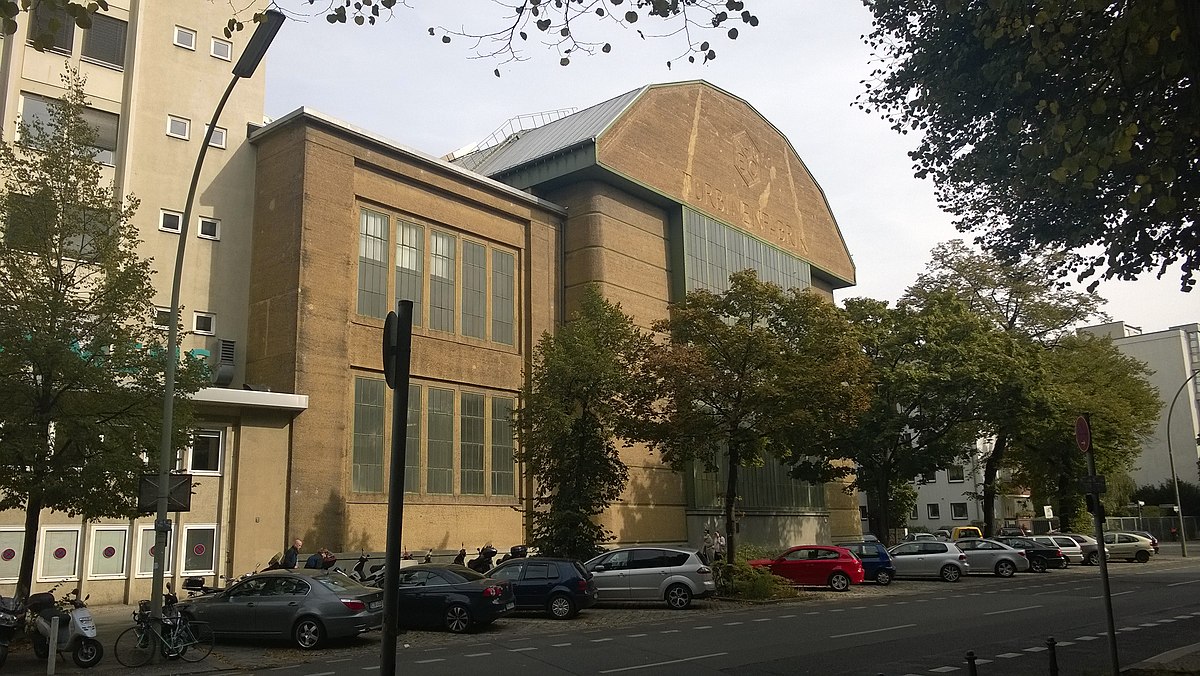
AEG's Turbine factory
📍 Berlin, Germany
The AEG Turbine Factory, an iconic structure in Berlin’s Bezirk Mitte, is a significant landmark that reflects the industrial heritage of the city. …
AKA-Radiergummifabrik
📍 Lower Saxony, Germany
The AKA-Radiergummifabrik, a significant former factory located in Hannover, Germany, offers a unique glimpse into the industrial past of the region. …

Alte Malzfabrik
📍 Lower Saxony, Germany
Alte Malzfabrik, located in Mülheim an der Ruhr, Germany, is an intriguing factory site that encapsulates the industrial heritage of the region. This …