Muskauer Park (Sachgesamtheit)
Overview
Muskauer Park, a UNESCO World Heritage Site located in Bad Muskau, Germany, is a stunning example of 19th-century landscape architecture. This expansive garden, designed by the renowned landscape architect Hermann von Pückler-Muskau, serves not only as a serene escape but also as a historical canvas showcasing the evolution of European garden design. The park’s harmonious integration of natural landscapes with carefully curated elements creates a unique atmosphere that captures the essence of its time while remaining relevant today.
Spanning both sides of the Neisse River, Muskauer Park is a cross-border park that extends into Poland, reflecting the cultural and historical ties of the region. Its significance lies not just in its aesthetic appeal but also in its role as a symbol of peaceful coexistence between nations. Visitors to Muskauer Park can expect to explore a landscape that is as rich in historical context as it is in natural beauty, making it an ideal destination for those interested in heritage and nature alike.
History and Significance
The origins of Muskauer Park can be traced back to the vision of Hermann von Pückler-Muskau, who began transforming the area into a landscaped garden in the early 19th century. His innovative ideas were revolutionary for the time, as they broke away from the more rigid and formal garden designs that had predominated European landscaping. Pückler-Muskau emphasized the importance of natural beauty, creating a park that flowed seamlessly with its environment.
The park was designed with a strong focus on the relationship between nature and human intervention. Pückler-Muskau utilized the natural topography and existing vegetation to shape a landscape that felt both grand and intimate. His work at Muskauer Park would influence subsequent landscape architecture across Europe, as he introduced ideas that prioritized aesthetic pleasure and ecological harmony.
In addition to its architectural significance, Muskauer Park holds a rich cultural legacy. It has served various functions over the years, from a royal retreat to a public park, adapting to the needs of the community while maintaining its core identity. The park’s designation as a UNESCO World Heritage Site acknowledges its historical importance and commitment to conservation, ensuring that future generations can appreciate its beauty and learn from its design principles.
Architecture and Features
Muskauer Park is characterized by its sweeping landscapes, which are punctuated by a variety of architectural features that enhance the visitor experience. The design incorporates winding pathways, tranquil waterways, and strategically placed viewpoints that invite exploration and contemplation.
One of the park’s most notable features is the picturesque Neisse River, which meanders through the landscape and serves as a natural divider between Germany and Poland. The riverbanks are lined with lush vegetation that provides a habitat for diverse wildlife, allowing visitors to engage with nature closely.
In terms of structures, the park includes various follies and pavilions that reflect the Romantic style of the period. These include charming bridges, gazebos, and viewing platforms, each thoughtfully integrated into the landscape. The structures are designed to harmonize with their surroundings, often constructed from local materials that complement the natural environment.
The park also features carefully curated gardens, meadows, and wooded areas that vary in character. Visitors can find areas of formal landscaping juxtaposed with more casual, naturalistic plantings, showcasing Pückler-Muskau’s philosophy of blending the cultivated with the wild. This diversity not only enhances the visual appeal but also supports a range of ecosystems, making it a living landscape that changes with the seasons.
Visiting Information
When planning a visit to Muskauer Park, it is essential to consider the best means of transportation and what to expect upon arrival. The park is accessible by various modes of transport, including car and public transportation. Visitors can find parking facilities nearby, but it is advisable to check the official website for any updates on accessibility or potential restrictions.
Muskauer Park is open to the public, allowing visitors to explore its vast expanse at their leisure. It is recommended to allocate a minimum of three to four hours to fully appreciate the park’s features and enjoy a leisurely stroll along its paths. The changing seasons offer unique experiences, with vibrant colors in spring and autumn, while summer provides lush greenery.
While the park welcomes visitors year-round, certain times may be more crowded than others. Early mornings or weekdays are generally less busy, providing a more tranquil experience. Be sure to check the official website for current information on operating hours and any special events that may enhance your visit.
Nearby Attractions
Muskauer Park is situated in a region rich with attractions that further enrich the visitor experience. Nearby destinations worth exploring include:
Bad Muskau Castle: A beautiful historical structure that complements the park’s aesthetic. The castle offers guided tours and exhibitions that delve into the local history.
Kromlau Park: Famous for its stunning bridge, this park features manicured gardens and picturesque landscapes, making it an excellent complement to a visit to Muskauer Park.
The Neisse River: Ideal for those interested in outdoor activities, the river offers opportunities for kayaking and cycling along its banks, allowing for a different perspective of the region.
Cottbus: A charming nearby city with a rich cultural heritage, Cottbus features museums, theaters, and historic buildings that reflect the area’s history.
Bautzen: Known for its medieval architecture and vibrant history, Bautzen has several landmarks and museums that provide further insight into the region’s past.
Insider Tips
To make the most of your visit to Muskauer Park, consider these insider tips:
Photography: The park offers numerous picturesque spots perfect for photography, particularly around the river and the architectural features. Early mornings or late afternoons provide the best natural light.
Crowd Avoidance: If you prefer a quieter experience, visit during weekdays or in the early hours after opening. Avoiding weekends and public holidays can lead to a more peaceful visit.
Practical Information
When visiting Muskauer Park, it’s advisable to bring comfortable walking shoes, as the terrain can vary and exploring the entire park involves a fair amount of walking. Weather can change quickly, so layering clothing and carrying a light rain jacket is recommended.
Seasonal considerations should also be kept in mind; spring and autumn showcase the park’s flora at its most vibrant, while summer can be warmer and busier. Always check the official website for any updates regarding park conditions, events, and current offerings.
Frequently Asked Questions
How long should I spend visiting?
A visit typically takes around three to four hours to fully explore Muskauer Park and appreciate its features.
Is photography allowed?
Yes, photography is permitted throughout the park, and it offers many beautiful backdrops.
Are there guided tours?
Check the official website for information on any available guided tours that may enhance your experience.
What’s the best time to visit?
Visiting during weekdays or in the morning often provides a quieter experience, while spring and autumn are particularly beautiful seasons.
Is it wheelchair accessible?
Accessibility can vary throughout the park. Check the official website for specific information regarding wheelchair access.
Can I buy tickets online?
For current ticketing options, including online purchases, refer to the official website.
Are there restrooms and cafes?
Facilities may be available within the park; for the most accurate information, please check the official website.
What should I wear?
Comfortable clothing and sturdy walking shoes are recommended for exploring the park, along with layers to accommodate changing weather conditions.
More in Brandenburg
Agnetenkloster
📍 Brandenburg, Germany
Agnetenkloster, a former monastery located in the heart of Magdeburg, Germany, invites visitors to explore its serene ambiance and historical …

Agroneum
📍 Brandenburg, Germany
Agroneum is a museum located in the serene landscape of Alt Schwerin, Germany. This establishment serves as a vibrant hub for those interested in the …

Alexander Nevsky Memorial Church
📍 Brandenburg, Germany
The Alexander Nevsky Memorial Church in Potsdam, Germany, offers visitors a unique glimpse into the city’s cultural and religious heritage. This …
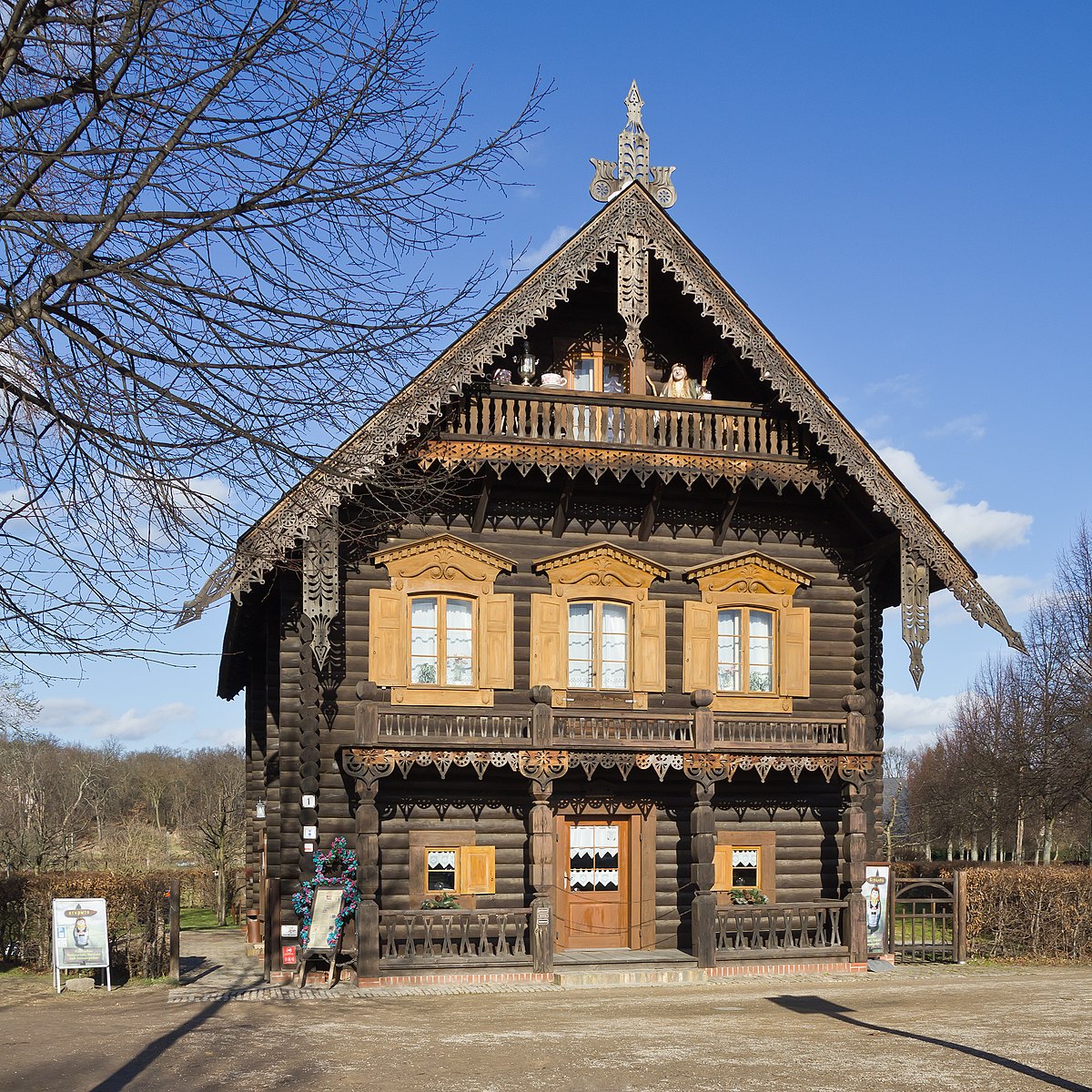
Alexandrowka
📍 Brandenburg, Germany
Located in the picturesque city of Potsdam, Germany, Alexandrowka is an intriguing architectural ensemble that reflects a unique blend of Russian and …

Alte Burg Penzlin
📍 Brandenburg, Germany
Alte Burg Penzlin, a captivating castle located in the quaint town of Penzlin, Germany, serves as a remarkable example of medieval architecture and …

Alte Dorfkirche Röxe
📍 Brandenburg, Germany
The Alte Dorfkirche Röxe stands as a poignant symbol of architectural and cultural history in the Stendal region of Germany. This church building, …