
Muskau Park
Overview
Muskau Park, located in the Upper Lusatia region of Germany and Poland, is an exquisite landscape park that harmoniously blends natural beauty with human artistry. Spanning both sides of the Neiße River, this park offers visitors a unique opportunity to explore meticulously designed gardens, scenic pathways, and a variety of flora, all set against the backdrop of a rich cultural history. As a UNESCO World Heritage Site, Muskau Park reflects the innovative vision of its designer, who sought to create a space that celebrates the beauty of nature while showcasing human creativity.
With its expansive grounds and tranquil atmosphere, Muskau Park holds a significant place in the hearts of those who appreciate landscape architecture and historical gardens. Visitors can wander through diverse ecosystems, enjoy panoramic views of the river, and immerse themselves in the park’s serene environment. The location serves not only as a sanctuary for nature lovers but also as a cultural landmark that emphasizes the importance of landscape design in the 19th century, making it an essential stop for travelers interested in heritage and history.
History and Significance
Muskau Park’s history is deeply intertwined with the vision of its creator, Hermann von Pückler-Muskau, a nobleman and landscape designer. The park’s conception reflects the Romantic ideals of the 19th century, where the natural world and human influence were seen as complementary rather than opposing forces. Pückler-Muskau began the transformation of the area into a formal landscape park in the early 1800s, drawing inspiration from English landscape gardens, which emphasized natural beauty and irregularity.
The park’s design showcases innovative garden architecture, including sweeping lawns, strategically placed trees, and picturesque views of the surrounding landscape. Pückler-Muskau implemented elements such as winding paths, ponds, and bridges to create a sense of exploration and discovery, inviting visitors to engage with the landscape in a meaningful way. This approach not only set a standard for future landscape architecture but also influenced the development of parks and gardens across Europe.
Muskau Park’s significance extends beyond its aesthetic appeal. It serves as a symbol of cultural exchange between Germany and Poland, given its location straddling the border. The park has witnessed historical events and changes in the political landscape, particularly during the tumultuous periods of the 20th century. Today, it stands as a testament to the resilience of heritage, having undergone restoration efforts to preserve its original charm and integrity.
The recognition as a UNESCO World Heritage Site underscores the park’s importance as a cultural and historical landmark. It emphasizes the need for conservation and appreciation of such spaces, which enrich our understanding of landscape design and its role in society.
Architecture and Features
Muskau Park is characterized by its remarkable landscape design, which seamlessly integrates natural elements with artistic features. The park’s layout is distinguished by its fluid paths that meander through diverse landscapes, allowing visitors to experience a variety of settings, from formal gardens to more organic, wooded areas.
One of the park’s most notable features is the series of picturesque bridges that span the Neiße River, connecting the German and Polish sides of the park. These structures not only facilitate movement through the landscape but also enhance the aesthetic appeal of the surroundings. The bridges serve as vantage points from which to admire the park’s carefully curated vistas.
The park is also home to a range of flora, showcasing both native and exotic plant species. Visitors can enjoy seasonal blooms, particularly in the spring and summer months, when the gardens are alive with color and fragrance. The strategic placement of trees and shrubs creates a sense of depth and variety, inviting exploration and contemplation.
Another architectural highlight is the park’s central pavilion, which reflects Pückler-Muskau’s vision for integrating human activity within the landscape. This structure, along with other elements such as sculptures and fountains, contributes to the overall harmony and balance of the park’s design.
As one wanders through Muskau Park, the careful attention to detail in its design becomes evident. The park serves not only as a recreational space but as a gallery of landscape architecture, where each turn reveals a new perspective on nature and artistry.
Visiting Information
Muskau Park is accessible to visitors year-round, offering a peaceful retreat for those looking to immerse themselves in nature. To get to the park, various transport options are available. Travelers can reach Bad Muskau by train or bus from major cities in the region. Upon arriving, the park is well-signposted, making it easy to navigate the expansive grounds.
While specific hours and ticket prices can vary, it is advisable to check the official website for current information before planning your visit. The park’s layout allows for a leisurely exploration, and visitors may wish to allocate several hours to fully appreciate its beauty.
The best times to visit Muskau Park are during the spring and summer months, when the gardens are in full bloom and the weather is typically mild. This is when the park comes alive with colors and scents, providing a delightful experience for nature enthusiasts and casual visitors alike.
Visitors should expect a variety of walking paths, gardens, and viewpoints throughout the park. While some areas may be more popular than others, the expansive space allows for both solitude and social interaction, depending on your preference.
Nearby Attractions
While Muskau Park is a destination in its own right, several nearby attractions enhance the overall experience for visitors in the region.
Muskau Castle: Located adjacent to the park, this historic castle offers insights into the area’s aristocratic past and features beautiful architecture.
The Neiße River: A natural feature that complements the park, the river provides opportunities for leisurely walks along its banks and scenic views.
Bad Muskau Town: The charming town itself is worth a visit, with its quaint streets, local shops, and eateries that reflect the region’s culture.
Kromlau Park: A short drive away, this park is known for its stunning bridge and landscape designs, offering another perspective on regional landscape architecture.
The Lower Silesian Museum: Located in nearby Görlitz, this museum provides a broader context for the area’s history and culture, making it a worthwhile stop for those interested in the region’s heritage.
Insider Tips
For photography enthusiasts, early mornings or late afternoons provide the best lighting conditions for capturing the natural beauty of Muskau Park. The play of light through the trees and over the water creates stunning visual opportunities. Additionally, visiting during weekdays may help avoid larger crowds, allowing for a more tranquil experience.
When exploring the park, take your time to wander off the main paths. Hidden corners and unique perspectives can often be found just a short distance from the more popular routes, offering a chance to discover the park’s quieter features.
Practical Information
When visiting Muskau Park, it is advisable to wear comfortable footwear suitable for walking, as the park covers a substantial area. Depending on the season, layers may be necessary to accommodate varying temperatures throughout the day.
The park is accessible during most seasons, but certain areas may be affected by weather conditions. Spring and summer visits are ideal for experiencing the park’s full array of flora, while autumn can offer stunning foliage.
Visitors should consider bringing essentials such as water, snacks, and sun protection, especially if planning to spend an extended amount of time in the park.
Frequently Asked Questions
How long should I spend visiting?
A visit to Muskau Park typically takes around 2-4 hours, depending on your pace and interest in exploring the various gardens and features.
Is photography allowed?
Yes, photography is permitted throughout the park, making it a great location for both amateur and professional photographers.
Are there guided tours?
While guided tours may be available, it is best to check the official website for current information regarding schedules and availability.
What’s the best time to visit?
The ideal times to visit Muskau Park are during the spring and summer months when the gardens are in full bloom.
Is it wheelchair accessible?
Muskau Park offers some accessible paths, but it is advisable to check the official website for specific accessibility information.
Can I buy tickets online?
Check the official website for details on ticket purchasing options, including any online availability.
Are there restrooms and cafes?
Facilities such as restrooms and cafes may be available within or near the park. It’s best to confirm this information on the official website.
What should I wear?
Comfortable clothing and walking shoes are recommended, along with layers to accommodate changing weather conditions.
More in Brandenburg
Agnetenkloster
📍 Brandenburg, Germany
Agnetenkloster, a former monastery located in the heart of Magdeburg, Germany, invites visitors to explore its serene ambiance and historical …

Agroneum
📍 Brandenburg, Germany
Agroneum is a museum located in the serene landscape of Alt Schwerin, Germany. This establishment serves as a vibrant hub for those interested in the …

Alexander Nevsky Memorial Church
📍 Brandenburg, Germany
The Alexander Nevsky Memorial Church in Potsdam, Germany, offers visitors a unique glimpse into the city’s cultural and religious heritage. This …
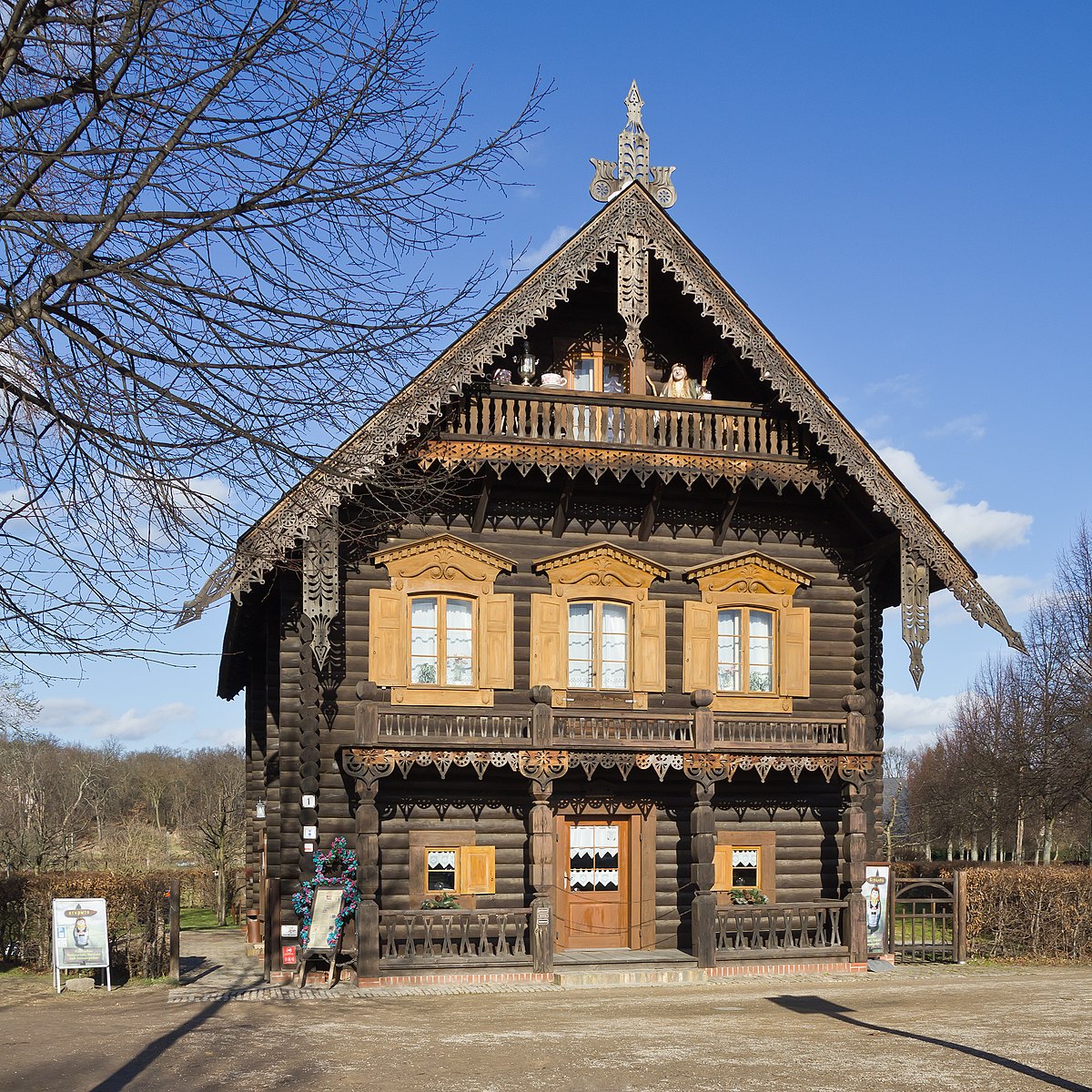
Alexandrowka
📍 Brandenburg, Germany
Located in the picturesque city of Potsdam, Germany, Alexandrowka is an intriguing architectural ensemble that reflects a unique blend of Russian and …

Alte Burg Penzlin
📍 Brandenburg, Germany
Alte Burg Penzlin, a captivating castle located in the quaint town of Penzlin, Germany, serves as a remarkable example of medieval architecture and …

Alte Dorfkirche Röxe
📍 Brandenburg, Germany
The Alte Dorfkirche Röxe stands as a poignant symbol of architectural and cultural history in the Stendal region of Germany. This church building, …
More Parks

Achterdiekpark
📍 Bremen, Germany
Achterdiekpark, located in the peaceful district of Oberneuland, Germany, is a sanctuary for nature lovers and a welcome retreat from urban life. This …

Aegidiischanze
📍 Lower Saxony, Germany
Aegidiischanze is a tranquil park located in the heart of Münster, Germany. This green space offers a unique blend of natural beauty and cultural …

Aerodynamic Park
📍 Berlin, Germany
Aerodynamic Park, located in Berlin, Germany, is a significant green space that serves as a serene escape amid the urban hustle. This park is not only …

Ahnepark
📍 Hesse, Germany
Ahnepark is a serene park located in Vellmar, Germany, serving as a green oasis for both locals and visitors. This expansive area offers a tranquil …
Altenberg
📍 Bavaria, Germany
Altenberg, located in the picturesque Bavarian region of Germany, offers visitors a serene escape into one of the area’s notable parks. This mountain …

Altensteiner Park
📍 Thuringia, Germany
Altensteiner Park, situated in the picturesque region of Bad Liebenwerda, Germany, serves as a tranquil retreat for nature enthusiasts and history …