
Museum of the Thirty Years War
Overview
The Museum of the Thirty Years War in Wittstock/Dosse, Germany, stands as a dedicated venue to immerse visitors in one of Europe’s most tumultuous periods. The Thirty Years War, spanning from 1618 to 1648, drastically altered the political and cultural landscape of the continent, and this museum serves as a vital repository of artifacts, narratives, and insights related to the conflict. Located in the heart of Germany, the museum not only reflects the historical significance of the war but also highlights the impact it had on the local area and beyond.
Incorporating a variety of exhibits, the museum provides a thoughtful exploration of the war’s causes, consequences, and its enduring legacy. Visitors can expect to find an engaging range of displays, making it a worthwhile stop for history enthusiasts, scholars, and casual tourists alike. With its well-curated collections and educational programs, the Museum of the Thirty Years War promises to be an enlightening experience, capturing the essence of a conflict that shaped the trajectory of European history.
History and Significance
The Thirty Years War was a protracted and complex conflict that involved numerous European powers, primarily stemming from issues of religious freedom, political control, and territorial disputes. The war saw a series of battles, shifting alliances, and devastating consequences for the regions caught in its turmoil. It resulted in widespread destruction and loss of life, fundamentally altering the social and political fabric of many areas.
The Museum of the Thirty Years War plays an essential role in preserving the memory and understanding of this critical historical period. It is situated in a region that witnessed significant military activity and serves as a focal point for research and education about the war. The museum’s collections include a variety of artifacts, documents, and visual materials that tell the stories of soldiers, civilians, and leaders affected by the conflict. Through these displays, visitors gain insights into not only the battles and strategies employed but also the broader human experiences during these challenging times.
The museum emphasizes the importance of historical remembrance and education, providing a space for reflection on the effects of war on society and culture. By highlighting the local narratives intertwined with the larger European story, it fosters a deeper understanding of how the Thirty Years War shaped the development of modern Europe.
Architecture and Features
The Museum of the Thirty Years War features a thoughtfully designed space that complements its historical focus. While specific architectural details are not provided in the available information, museums of this nature often exhibit a blend of contemporary and traditional design elements. This creates an inviting atmosphere for visitors, encouraging exploration and engagement with the exhibits.
Inside, the museum typically showcases a variety of exhibits that may include dioramas, interactive displays, and multimedia presentations. These features are intended to enhance the educational experience, allowing visitors to visualize the events of the Thirty Years War and better understand its complexities. The layout is likely organized to guide visitors through the war’s timeline, facilitating a coherent narrative that connects various facets of the conflict.
Moreover, the museum may include dedicated spaces for temporary exhibitions and educational programs, further enriching the visitor experience. The commitment to presenting the war’s history in a compelling manner underscores the museum’s role as a center for historical learning and public engagement.
Visiting Information
Planning a visit to the Museum of the Thirty Years War requires some practical considerations. The museum is situated in Wittstock/Dosse, accessible via various modes of transportation. Visitors can check the official website for current information regarding hours and ticket prices, ensuring they have the most accurate details for their visit.
Expect to spend a couple of hours exploring the museum, as the exhibits are designed to engage visitors deeply. The best times to visit may vary, but weekdays could offer a quieter experience compared to weekends, allowing for a more intimate exploration of the displays.
As you prepare for your visit, consider the amenities provided at the museum, including rest areas and potentially on-site refreshments. This can enhance your overall experience, making it comfortable and enjoyable.
Nearby Attractions
Wittstock/Dosse is home to several attractions that complement a visit to the Museum of the Thirty Years War. Consider exploring:
The Wittstock Fortress: A historical landmark that offers insights into military architecture and the region’s strategic importance during various conflicts.
The Church of St. Mary: Known for its impressive architecture and historical significance, this church reflects the spiritual and cultural heritage of the area.
Local Parks and Nature Reserves: Opportunities for leisurely walks or picnics, allowing visitors to enjoy the natural beauty of the region.
The Town Center: A charming area with shops and cafes, perfect for relaxing before or after your museum visit.
Nearby Historical Sites: Additional museums or monuments that provide context to the region’s history and its role in the Thirty Years War.
Insider Tips
For the best experience at the Museum of the Thirty Years War, consider visiting during off-peak hours, such as early mornings or late afternoons. This timing often results in fewer crowds, allowing for a more personal exploration of the exhibits.
Photography might be permitted in certain sections, but it’s advisable to check for any restrictions upon arrival. Take your time to absorb the information presented; the museum’s exhibits are designed to provoke thought and discussion.
Practical Information
When visiting the Museum of the Thirty Years War, it’s wise to bring along a few essentials. Comfortable walking shoes are recommended, as visitors may spend significant time on their feet while exploring the museum’s exhibits. A light jacket or sweater could also be beneficial, as indoor climate controls can vary.
Seasonal considerations may influence your visit. Check local weather conditions ahead of time to ensure you are prepared for the elements, particularly if you plan to explore nearby attractions.
Frequently Asked Questions
How long should I spend visiting?
Most visitors typically spend around two hours at the museum to fully appreciate the exhibits and displays.
Is photography allowed?
Photography policies may vary; check with museum staff upon arrival to understand the specific guidelines.
Are there guided tours?
Information regarding guided tours should be confirmed through the official website, as availability may fluctuate.
What’s the best time to visit?
Weekdays are generally less crowded, providing a more intimate experience with the exhibits.
Is it wheelchair accessible?
Specific accessibility information can be found on the museum’s official website.
Can I buy tickets online?
Check the official website for information regarding online ticket purchases, as this may facilitate a smoother entry.
Are there restrooms and cafes?
Facilities including restrooms are typically available; check for onsite dining options or nearby cafes for refreshments.
What should I wear?
Dress comfortably, with layers to accommodate varying temperatures inside and outside the museum.
The Museum of the Thirty Years War offers a compelling opportunity to delve into a pivotal chapter of European history, making it a notable destination for those eager to learn more about the past.
More in Brandenburg
Agnetenkloster
📍 Brandenburg, Germany
Agnetenkloster, a former monastery located in the heart of Magdeburg, Germany, invites visitors to explore its serene ambiance and historical …

Agroneum
📍 Brandenburg, Germany
Agroneum is a museum located in the serene landscape of Alt Schwerin, Germany. This establishment serves as a vibrant hub for those interested in the …

Alexander Nevsky Memorial Church
📍 Brandenburg, Germany
The Alexander Nevsky Memorial Church in Potsdam, Germany, offers visitors a unique glimpse into the city’s cultural and religious heritage. This …
Alexandrowka
📍 Brandenburg, Germany
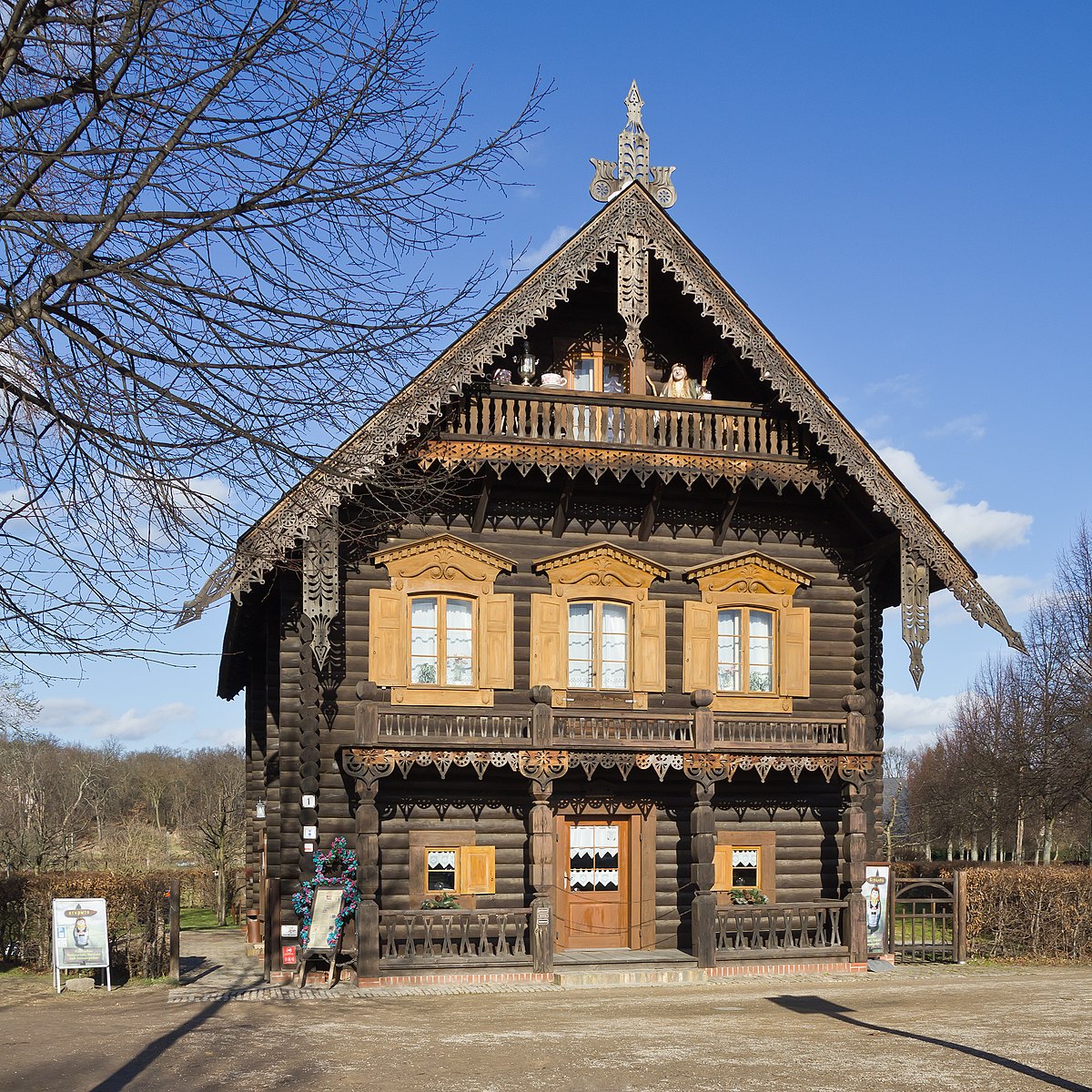
Located in the picturesque city of Potsdam, Germany, Alexandrowka is an intriguing architectural ensemble that reflects a unique blend of Russian and …

Alte Burg Penzlin
📍 Brandenburg, Germany
Alte Burg Penzlin, a captivating castle located in the quaint town of Penzlin, Germany, serves as a remarkable example of medieval architecture and …

Alte Dorfkirche Röxe
📍 Brandenburg, Germany
The Alte Dorfkirche Röxe stands as a poignant symbol of architectural and cultural history in the Stendal region of Germany. This church building, …
More Museums

Abbey and Altenmünster of Lorsch
📍 Baden-Württemberg, Germany
The Abbey and Altenmünster of Lorsch is a UNESCO World Heritage site located in the charming town of Lorsch, Germany. This significant cultural …
Abenteuermuseum
📍 Rhineland-Palatinate, Germany
The Abenteuermuseum, located in Germany, invites visitors to explore the wonders of adventure through its unique exhibits and engaging experiences. …

Abwasser- und Sielmuseum
📍 Hamburg, Germany
The Abwasser- und Sielmuseum, located in the heart of Hamburg-Mitte, offers a unique glimpse into the city’s historical infrastructure concerning …

Academy of Arts, Berlin
📍 Berlin, Germany
The Academy of Arts in Berlin is not just a museum; it is a prominent national institution dedicated to the advancement of the arts in Germany. …

Ackerbürgermuseum Haus Leck
📍 Hesse, Germany
Ackerbürgermuseum Haus Leck is a culturally significant museum located in Germany’s Grebenstein region, dedicated to preserving and showcasing the …

Active Museum Spiegelgasse
📍 Hesse, Germany
Active Museum Spiegelgasse is a vital institution dedicated to preserving and exploring the German-Jewish history of Wiesbaden, Germany. Located in …